






Puppy socialization steps involve safely exposing your puppy to new people, dogs, environments, and experiences between 3-16 weeks old. Begin with quiet, controlled encounters at home, then gradually increase complexity as your puppy gains confidence and vaccination protection. This critical window shapes lifelong behavior.
This guide breaks down week-by-week steps, safety protocols, and expert strategies to help you raise a confident, well-adjusted dog.
What Is Puppy Socialization and Why Does It Matter?
Puppy socialization is the deliberate process of introducing your young dog to the world in a positive, manageable way. It’s not just about meeting other dogs—it’s about building a foundation of confidence, resilience, and adaptability that lasts a lifetime.
During the first few months of life, your puppy’s brain is wired to absorb new information rapidly. Positive experiences during this phase teach them that novelty is safe and even enjoyable.
The American Veterinary Society of Animal Behavior (AVSAB) emphasizes that behavioral issues, not contagious diseases, are the leading cause of death in dogs under three years old.
Undersocialized puppies often develop fear-based responses that manifest as aggression, anxiety, or reactivity—problems that are far harder to fix later than they are to prevent now.
A well-socialized puppy, by contrast, learns to approach new situations with curiosity rather than fear, making them easier to train, safer around strangers and children, and more welcome in public spaces.
Think of socialization as building your puppy’s “coping toolkit.” Each positive exposure adds a tool they can use when faced with something unfamiliar later in life. Without these tools, even everyday events like garbage trucks, umbrellas, or toddlers can trigger panic.
The Critical Socialization Window: Timing Is Everything
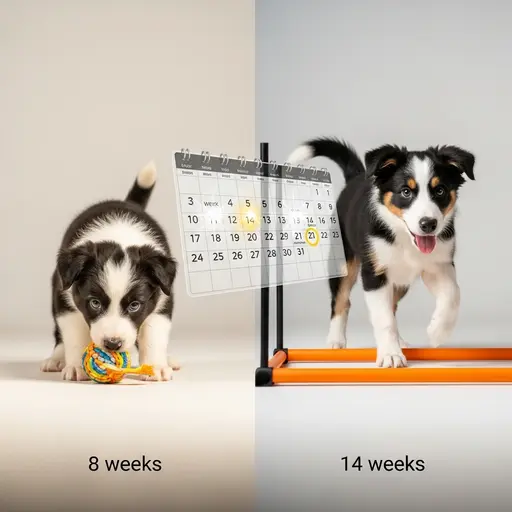
The window for optimal puppy socialization is narrow—roughly from 3 to 16 weeks of age. After 16 weeks, a puppy’s natural openness to novelty begins to close, and new experiences are more likely to be met with caution or suspicion. This doesn’t mean socialization stops, but it does become more challenging.
Brain Development During the Socialization Period
Between 3 and 8 weeks, puppies learn from their mother and littermates. They discover bite inhibition, body language, and basic canine communication.
This is why responsible breeders begin gentle handling and exposure exercises before puppies ever leave for their new homes.
From 8 to 12 weeks—often called the “golden window”—your puppy is biologically primed to bond with humans and accept new experiences. Their brain are forming neural pathways at an astonishing rate.
Every positive interaction strengthens pathways associated with safety and pleasure. Negative experiences, unfortunately, strengthen fear pathways just as easily.
The 12-to-16-week phase is about consolidating those early lessons and expanding complexity. Your puppy can handle more duration, distance, and intensity in their exposures. By 16 weeks, the socialization window is essentially closed, though learning continues throughout life.
Essential Puppy Socialization Steps by Age
Weeks 3–8: The Breeder’s Foundation
While you may not be directly involved during this phase, understanding what responsible breeders do helps you continue their work seamlessly. Good breeders implement:
- Early Neurological Stimulation (ENS): Daily handling exercises that gently stress the puppy’s system in controlled ways, improving stress tolerance later in life.
- Environmental Enrichment: Introducing different textures, sounds, and safe objects into the whelping box.
- Gentle Handling: Puppies are held, touched on paws, ears, and mouths to prepare them for grooming and veterinary care.
- Human Interaction: Brief, positive visits from different people, including children, to build early human bonds.
When you select a breeder, ask specifically about their socialization protocols. A puppy raised in a clean, enriched environment with frequent gentle handling will be miles ahead of one raised in isolation.
Weeks 8–12: Your First Month Together
This is where your puppy socialization steps truly begin. Your puppy is now fully dependent on you to shape their worldview.
Step 1: Set Up a Safe Zone
Before bringing your puppy home, create a sanctuary space—a crate or playpen where they can retreat when overwhelmed. This teaches them that safety is always available, which paradoxically builds confidence.
Step 2: Start with Passive Exposure
During the first few days, let your puppy observe household activity from their safe zone. The vacuum running, doors closing, and family members moving about become background noise rather than frightening events.
Step 3: Introduce Gentle Handling
Daily, spend 5 minutes touching your puppy’s paws, ears, mouth, and belly while offering high-value treats. This builds tolerance for grooming, vet exams, and handling by strangers.
Step 4: Invite Select Visitors
Have 2-3 calm adult friends visit in the first week. Instruct them to ignore the puppy initially, letting the puppy approach when ready. Each visitor should offer a special treat that your puppy only gets from guests.
Step 5: Begin Sound Desensitization
Play recorded sounds—thunder, fireworks, traffic, baby cries—at low volume during meals. Gradually increase volume as your puppy remains relaxed. YouTube offers countless sound desensitization tracks.
Step 6: Prioritize Health Safety
Schedule your first vet visit within 72 hours. Discuss your puppy’s vaccination schedule and which public spaces are safe. Many vets now support early, controlled socialization in low-risk environments.
Weeks 12–16: Expanding the World
Now your puppy can handle more complexity and duration. Their vaccination protection is building, allowing safer outdoor exploration.
Step 1: Enroll in a Puppy Class
Choose a reputable class that requires proof of vaccination and focuses on positive reinforcement. This provides structured dog-dog socialization under expert supervision.
Step 2: Start Leash Walking in Safe Areas
Avoid dog parks, but explore quiet neighborhoods, empty parking lots, and friends’ fenced yards. Let your puppy choose the pace and investigate at will.
Step 3: Visit Pet-Friendly Stores
Hardware stores and pet supply shops welcome leashed puppies. The variety of smells, sounds, and people provides rich socialization. Carry your puppy if the floors are heavily trafficked.
Step 4: Practice Car Rides
Take short trips to nowhere—just around the block, with treats for calm behavior. This prevents car anxiety and expands your socialization radius.
Step 5: Introduce Novelty Weekly
Aim for 3-5 new experiences per week: a different walking surface, a new human friend, a strange object like an umbrella opening slowly. Keep exposures brief and positive.
The Puppy Socialization Checklist: 100 Experiences to Cover
Use this checklist to track progress. The goal is quality over quantity—three positive exposures to each item are better than one rushed, scary experience.
People (15 variations)
- Men with beards
- Women with hats
- People of different ethnicities
- Elderly individuals using walkers or canes
- Toddlers (supervised)
- School-age children
- Teenagers
- People in uniforms (police, mail carrier)
- People wearing sunglasses
- People using umbrellas
- Joggers
- People on bicycles
- Individuals using wheelchairs
- People carrying large bags
- Someone using a cane
Dogs & Animals (10 variations)
- Friendly adult dogs (vaccinated)
- Puppies of similar age
- Large breed dogs
- Small breed dogs
- Dogs with docked tails or unusual features
- Cats (if safe)
- Squirrels at a distance (visual only)
- Birds
- Livestock (from a distance)
- Horses
Environments (15 locations)
- Your veterinarian’s office (friendly visits without exams)
- Friends’ homes
- Pet-friendly stores
- Quiet parks
- Busy sidewalks
- Parking lots
- Staircases (indoor and outdoor)
- Elevators
- Outdoor cafés
- Near a playground
- Beach or lake shore
- Forest trails
- Urban downtown areas
- Suburban neighborhoods
- A church or school parking lot on weekends
Handling & Grooming (12 scenarios)
- Nail trimming (or touching clippers to paws)
- Ear cleaning
- Teeth brushing
- Bathing
- Towel drying
- Brushing with different tools
- Gentle restraint for exam
- Temperature taking
- Vet stethoscope on chest
- Looking in the ears with a flashlight
- Touching between toes
- Wiping face with a cloth
Sounds (20 noises)
- Thunderstorms (recorded)
- Fireworks (recorded)
- Doorbells
- Vacuum cleaners
- Hair dryers
- Lawn mowers
- Garbage trucks
- Car horns
- Babies crying
- Children playing
- Cats meowing
- Dogs barking (distant)
- Sirens
- Construction noise
- Alarms
- Dishwasher running
- Washing machine
- Microwave beeping
- TV at various volumes
- Phone notifications
Surfaces & Textures (12 types)
- Grass
- Concrete
- Gravel
- Sand
- Wood decking
- Tile floors
- Carpet
- Metal surfaces (manhole covers)
- Rubber mats
- Wet surfaces
- Mud
- Snow or ice (if seasonal)
Objects & Visual Stimuli (16 items)
- Umbrellas opening
- Balloons
- Plastic bags blowing
- Mirrors
- Wheelchairs
- Shopping carts
- Strollers
- Brooms and mops
- Halloween decorations
- Sunglasses
- Hats being put on/taken off
- Flashlights
- Cameras with flash
- Bicycles
- Motorcycles (distant)
- Kites
Safety First: Health Risks vs. Socialization Needs
The biggest worry new owners face is the conflict between disease risk and socialization urgency. Parvovirus, distemper, and other pathogens are real threats, but behavioral problems present a statistically greater risk to your puppy’s life.
The Balanced Approach
- Follow Your Vet’s Guidance: High-parvo-risk areas (dog parks, busy urban sidewalks, areas with stray dogs) should be avoided until 2 weeks after the final vaccination (around 16-18 weeks). Low-risk areas (your yard, friends’ fenced yards, clean indoor spaces) are generally safe immediately.
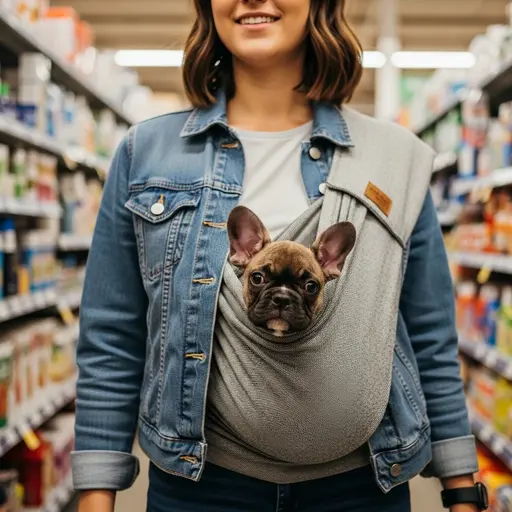
- Carried Socialization: Before vaccinations are complete, carry your puppy in public. Use a dog stroller, sling, or simply hold them. This allows visual and auditory exposure without ground contact.
- Choose Clean Locations: Veterinary clinics, reputable training centers, and pet stores that sanitize floors regularly pose minimal risk. Avoid areas with unknown dog traffic.
- Prioritize Quality Over Location: A single, positive visit to a clean friend’s house is worth more than ten stressful trips to a questionable park. Socialization is about emotional outcome, not just exposure.
- Talk to Your Vet About Early Vaccination: Some protocols allow an additional parvo vaccine at 12 weeks, increasing protection for earlier outings. Discuss whether this makes sense for your puppy.
Remember: behavioral euthanasia kills more dogs annually than parvovirus. The key is managed risk, not zero exposure.
How to Socialize Your Puppy: Proven Techniques That Work
The 3-P’s Method: Pair, Praise, and Protect
This simple framework ensures every experience builds confidence.
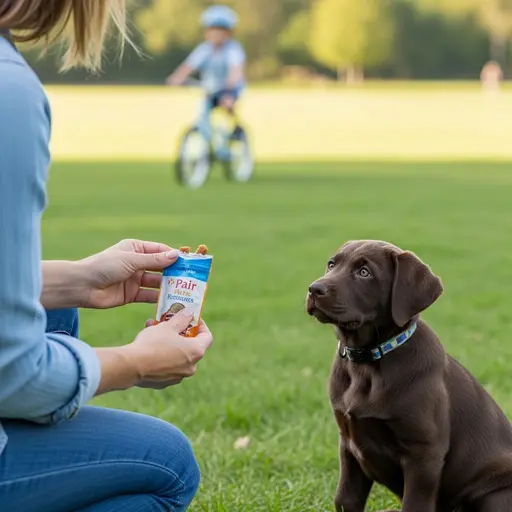
Pair: Every new experience should predict amazing things. The mail carrier appears? High-value chicken appears. A motorcycle roars past? Cheese rains from the sky. This creates a positive association before fear can take root.
Praise: Mark and reward calm curiosity. When your puppy notices something new and looks back at you for guidance, that’s the golden moment. Say “yes!” and deliver a treat. You’re teaching them that checking in with you when uncertain is always the right choice.
Protect: Your job is to prevent overwhelming experiences. If your puppy shows stress signals (see below), distance them immediately. Never force an interaction. A single bad experience can undo dozens of good ones.
Reading Your Puppy’s Body Language
Signs of Curiosity and Confidence:
- Loose, wiggly body
- Play bow toward a new object
- Approaching with tail wagging in wide circles
- Sniffing and investigating
- Looking back at you with relaxed facial features
Signs of Stress and Overwhelm:
- Tail tucked or held low and still
- Ears pinned back
- Lip licking when not eating
- Yawning when not tired
- Trying to hide or move away
- Excessive panting
- Whale eye (showing whites of eyes)
- Freezing in place
If you see stress signals, immediately increase distance from the stimulus, offer treats, and engage in a simple known behavior (like “sit”) to rebuild confidence. End the session on a positive note, even if it means retreating to your car and feeding treats there.
Gradual Exposure: The Rule of 3’s
For each new experience, aim for three separate, positive exposures. The first exposure introduces the concept. The second builds familiarity. The third creates confidence. Space these exposures over several days to avoid flooding your puppy’s senses.
For example:
- Day 1: Umbrella closed on the ground, puppy sniffs it, gets treats.
- Day 3: Umbrella opened slowly 10 feet away, puppy watches, gets treats.
- Day 5: Umbrella opened and closed near puppy, puppy remains relaxed, gets jackpot treats.
This systematic approach prevents overwhelming your puppy while ensuring deep, lasting positive associations.
Common Puppy Socialization Mistakes to Avoid
Even well-meaning owners can derail socialization efforts. Avoid these pitfalls:
Mistake 1: Flooding Instead of Gradual Exposure
Forcing your puppy to “face their fears” by holding them near a scary stimulus backfires. This technique, called flooding, often creates phobias. Always let your puppy choose their distance and approach.
Mistake 2: Inconsistent Experiences
Socializing for one week, then staying home for two weeks, confuses your puppy. Consistency matters. Aim for 3-5 brief exposures per week, every week, during the critical window.
Mistake 3: Focusing Only on Dogs
Owners often overemphasize dog-dog play. While important, puppies also need exposure to all the weirdness of human life—wheelchairs, hats, loud noises, and strange surfaces. A puppy who loves other dogs but fears people is still poorly socialized.
Mistake 4: Ending on a Negative Note
If an exposure goes badly, it’s human nature to leave immediately. Instead, retreat to a distance where your puppy feels safe, feed treats, and end the session with something easy and positive, even if it’s just a “sit” in the car.
Mistake 5: Waiting Too Long
Many owners wait until vaccinations are “complete” at 16 weeks, missing the window entirely. Carried socialization and low-risk environments allow you to start immediately.
What About Puppy Classes?
Puppy classes are worth their weight in gold—if you choose the right one. Look for classes that:
- Require proof of first vaccination and health checks for all participants
- Focus on positive reinforcement only (no choke chains or “alpha rolls”)
- Have small class sizes (6-8 puppies maximum)
- Include supervised off-leash play with size and temperament matching
- Teach you how to read canine body language
The AKC S.T.A.R. Puppy Program is an excellent benchmark. It evaluates puppies on 20 skills, including socialization milestones. Even if you don’t pursue certification, the curriculum provides a solid framework.
Puppy classes also combat the #2 killer of young dogs: euthanasia due to behavioral issues. They provide expert guidance, catch problems early, and give you a support network of other new owners.
Socializing Your Puppy Before Vaccinations Are Complete
This is the million-dollar question. Here’s how to do it safely:
The Carried Socialization Strategy
A puppy stroller or carrier is your best friend. It allows visual and auditory exposure while preventing ground contact. Visit:
- Outdoor cafés: Your puppy watches the world from safety
- Friends’ homes: Meet fully vaccinated, friendly dogs
- Quiet parks: Observe from a distance
- Parking lots: Experience traffic noise while stationary
Puppy Playdates
Host playdates with known, fully vaccinated, gentle adult dogs in your clean home or yard. This is safer than unknown dogs and teaches appropriate dog manners.
Home-Based Enrichment
You can socialize extensively without leaving home:
- Invite friends over (one at a time at first)
- Play sound desensitization tracks
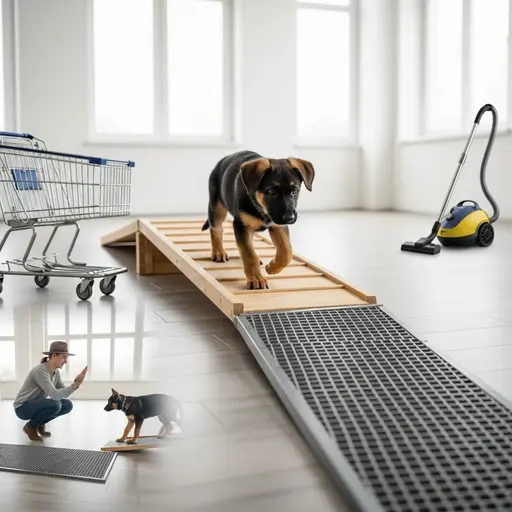
- Introduce novel objects (garbage bags, brooms, balloons)
- Practice handling and grooming
- Set up obstacle courses with different textures
The 100-People Challenge
Aim for your puppy to meet 100 different people before 16 weeks. This sounds daunting, but it’s achievable when you count delivery drivers, neighbors, friends, and family. Each person offers a treat and a brief, gentle pet.
Special Considerations for Different Breeds and Temperaments
Not all puppies are created equal. Tailor your approach to your individual dog.
Toy Breeds (Chihuahua, Yorkshire Terrier, Pomeranian)
These puppies can be injured by exuberant play. Supervise all dog interactions closely. Use a puppy sling for socialization outings—they’re easier to carry and feel secure close to you. Over-socialization to being held can create dependency, so balance carrying with confident independent exploration on leash.
Giant Breeds (Great Dane, Mastiff, Saint Bernard)
What looks cute at 12 weeks—jumping on people, mouthing—becomes dangerous at 120 pounds. Socialization must include calm greeting exercises and teaching these large puppies to keep all four feet on the ground when meeting people.
Herding Breeds (Border Collie, Australian Shepherd, Corgi)
These puppies notice everything and can be sound-sensitive. Their socialization needs include specific desensitization to movement (bikes, runners, cars) and sounds that might trigger chase instincts. They also need “off switches”—teaching them to relax after stimulation.
Guardian Breeds (German Shepherd, Rottweiler, Doberman)
Natural protectiveness can become fear-based aggression without proper socialization. Emphasize meeting strangers in positive contexts and teach them that new people predict great things. Avoid “guarding” triggers early on (e.g., letting them bark at the window).
Shy or Fearful Puppies
Some puppies are genetically timid. For these dogs, slower is better. Celebrate small victories—a glance at a new object from across the room deserves a treat. Never push them past their threshold. Consider working with a certified force-free trainer from day one.
Confident or Bold Puppies
These puppies charge into new situations, which seems great, but can lead to rude behavior or dangerous overconfidence. Teach them to pause and check in with you before greeting. Practice “look at that” games to build impulse control.
The Role of Mental Stimulation in Socialization
Socialization and mental enrichment are two sides of the same coin. A mentally stimulated puppy is more resilient and better able to process new experiences.
Puzzle Feeders
Food puzzles teach puppies to problem-solve and build frustration tolerance. A puppy who can handle a tricky puzzle is better equipped to handle a frustrating situation (like being unable to reach a scary object).
A slow-feeder bowl can help because it extends mealtime, naturally pacing their eating and calming overstimulated puppies during high-activity periods.
Scent Work
Teaching your puppy to find hidden treats builds confidence. Start simple—hide treats in a cardboard box filled with paper. As they improve, hide treats in different rooms. This taps into their natural sniffing ability and gives them a job, reducing anxiety in new places.
Training Games
Short, fun training sessions (5 minutes, 2-3 times daily) teach your puppy that learning is fun. This makes them more receptive to learning calm behavior in new situations. Practice basic cues in different rooms and on different surfaces.
Products That Support Puppy Socialization
The right tools make socialization smoother and safer. Here’s what helps and why:
Treat Pouches
Keeping high-value rewards instantly accessible is crucial. You can’t reward brave behavior if you’re fumbling in a bag. A treat pouch clipped to your waist keeps both hands free for managing the leash while ensuring you never miss a reinforcement opportunity.
Long Training Lines
A 15-30 foot long line allows your puppy to explore environments freely while you maintain safety. Unlike a flexi-leash, it doesn’t create constant tension, teaching your puppy to make choices about distance from scary things.
Puppy Strollers or Slings
For pre-vaccination socialization, these are invaluable. They allow you to visit a wide variety of locations without ground contact, providing rich sensory input safely.
Interactive Toys
Kongs, Toppls, and similar toys stuffed with food keep puppies occupied during passive exposures. A puppy working on a frozen Kong in a café learns that public places are relaxing and rewarding.
Calming Aids
For naturally anxious puppies, a pheromone diffuser or calming supplement (discuss with your vet) can take the edge off during high-stress exposures, making it easier for learning to occur.
Harnesses
A well-fitting front-clip or back-clip harness gives you control without neck pressure, which can increase stress. It also prevents your puppy from learning that pulling forward gets them closer to scary things.
Troubleshooting: What If My Puppy Is Fearful?
Some puppies show fear despite your best efforts. Here’s how to address it:
Identify the Trigger
Is it all men with beards? Just one specific neighbor? The sound of trucks, but not cars? The more specific you can be, the easier to create a targeted counter-conditioning plan.
Create a Distance Gradient
Find the distance where your puppy notices the trigger but remains calm (this is called “sub-threshold”). Feed treats at this distance. Gradually decrease the distance over multiple sessions, never moving closer until your puppy shows no stress signals at the current distance.
Emergency U-Turns
Teach your puppy a “let’s go!” cue that means “spin around and run away with me for treats.” This gives you an emergency exit strategy that keeps your puppy feeling safe.
When to Seek Professional Help
If your puppy shows generalized fear (reacts to many things), has a freeze response, or their fear is worsening despite your efforts, consult a certified force-free trainer or veterinary behaviorist immediately. Early intervention is vastly more effective than waiting.
Setbacks Are Normal
A single bad experience can temporarily increase fear. Don’t panic. Return to easier exposures, rebuild confidence, and progress more slowly.
Your Puppy Socialization Questions Answered
Can you socialize a puppy after 16 weeks?
Yes, but it’s different. After 16 weeks, puppies enter a developmental stage where novelty is naturally met with caution. You’ll use the same positive techniques, but progress is slower and requires more patience. It’s rehabilitation, not prevention. Early socialization is always easier.
How many people should my puppy meet?
Aim for 100 different people before 16 weeks. This ensures sufficient variety in appearance, scent, and behavior. Quality matters more than number—ensure each interaction is positive and brief.
What if my puppy gets scared during an exposure?
Immediately increase the distance from the scary thing. Feed treats and engage in a simple known behavior. End the session on a positive note, even if that means retreating to your car. Never force your puppy to interact with something they fear.
Are puppy classes worth the money?
Absolutely. Professional guidance, supervised play, and early detection of behavioral issues make puppy classes one of the best investments in your dog’s future. They’re also significantly cheaper than addressing aggression or anxiety later.
Can I socialize my puppy at home effectively?
Yes! Invite guests, play sound recordings, introduce novel objects, and practice handling. Home socialization is safe and can cover about 70% of socialization needs. Combine it with carried outings for comprehensive coverage.
My vet says to keep my puppy inside until fully vaccinated. What should I do?
This is outdated advice for most areas. Share the AVSAB position statement on socialization with your vet. If your vet remains unconvinced, find a new vet who understands modern behavioral science. The risk of behavioral euthanasia outweighs disease risk in most controlled settings.
How long should each socialization session last?
Keep sessions brief—5 to 15 minutes for intense exposures, up to 30 minutes for passive observations. Multiple short sessions are better than one long, tiring session. Watch for signs of mental fatigue (disinterest in treats, increased stress signals).
The Long-Term Payoff: What Happens After 16 Weeks?
By 16 weeks, your puppy’s foundation is largely set. You’ll transition from “socialization” to “maintenance and continued exposure.” Here’s what changes:
Adolescence (6-18 months)
Many puppies regress slightly during adolescence, testing boundaries and showing fear of things they previously handled well. This is normal. Continue positive exposures, but expect to revisit some basics.
Lifelong Learning
Socialization never truly ends. Continue taking your dog to new places, meeting new people, and experiencing novel things throughout their life. Dogs that stop encountering novelty after the critical period often become rigid and fearful in old age.
The 6-Month Milestone
By six months, a well-socialized puppy should handle most everyday situations with confidence. They should walk calmly past strangers, greet appropriately with other dogs, and recover quickly from startling events.
If you’ve followed systematic puppy socialization steps, you’ll have a dog who is not just tolerant of the world but actively enjoys exploring it. That’s the difference between surviving and thriving.
Conclusion
Puppy socialization steps are the single most important investment you can make in your dog’s future. During the brief 3-16 week window, every positive exposure builds a confident, resilient adult dog who can handle life’s unpredictability with grace.
Start with quiet, controlled experiences at home, gradually expand to safe public spaces, and always follow the 3-P’s method: Pair, Praise, and Protect.
Track your progress, celebrate small wins, and remember that setbacks are just invitations to slow down. The effort you put in now—those short sessions, the careful observations, the strategic planning—pays dividends for the next 12-15 years.
Your puppy is counting on you to show them that the world is a safe, interesting place. With the right puppy socialization steps, you’re not just preventing problems; you’re building a bond and a lifestyle of adventure together.