






Standing in the pet food aisle or scrolling through dozens of options online can feel overwhelming. Between bold packaging claims, unfamiliar ingredient names, and conflicting advice from well-meaning friends, it’s easy to wonder whether you’re making the right choice for your dog or cat.
The good news is that you don’t need a degree in animal science to choose well. You need a clear framework for reading labels, understanding what your pet needs at their current life stage, and recognizing which claims matter and which are just marketing language. This guide walks you through each step of how to choose pet food with confidence.
Key Takeaways
- Always look for the nutritional adequacy statement on pet food labels to ensure complete and balanced nutrition.
- Transition your pet’s food gradually over 7-10 days to prevent digestive upset.
- Nutritional needs change with life stages – consult your veterinarian for age-appropriate feeding recommendations.
- Debunk common nutrition myths by focusing on evidence-based information rather than marketing claims.
- Monitor your pet for warning signs and seek veterinary care when concerning symptoms appear.
Why Informed Food Choices Matter
Nutrition is one of the most direct ways you influence your pet’s long-term health. The food your dog or cat eats every day supports their immune system, maintains healthy skin and coat, fuels their energy, and helps regulate their weight. Over time, consistent poor nutrition can contribute to obesity, joint stress, digestive issues, and a shortened lifespan.
That doesn’t mean you need to find a single “perfect” food. It means understanding the fundamentals well enough to evaluate options, spot meaningful quality indicators, and avoid decisions based solely on packaging or trends.
Reading a Pet Food Label: What Actually Matters
The pet food label is your most important decision-making tool, but only if you know where to look. Here are the key elements to understand.
The Nutritional Adequacy Statement
This is the single most important line on any pet food package. In the United States, the Association of American Feed Control Officials (AAFCO) establishes nutrient profiles that define the minimum levels of essential vitamins, minerals, amino acids, and fatty acids a food must contain to be considered “complete and balanced” for a specific life stage.
Look for a statement such as:
- “[Product] is formulated to meet the nutritional levels established by the AAFCO Dog Food Nutrient Profiles for Adult Maintenance.”
- “[Product] is formulated to meet the nutritional levels established by the AAFCO Cat Food Nutrient Profiles for Growth and Reproduction.”
Some foods carry an “All Life Stages” designation, meaning they meet the requirements for both growth and adult maintenance. While convenient, these foods tend to be calorie-dense and may not be ideal for less active adult or senior pets.
A small number of products also note that their adequacy was confirmed through AAFCO feeding trials, meaning the food was actually fed to animals under controlled conditions rather than formulated on paper alone. Both approaches can produce nutritious food, but feeding-trial verification adds a layer of evidence.
If a product lacks a clear AAFCO statement, it has not been verified as nutritionally complete. Treats, toppers, and supplemental foods often fall into this category and should not serve as a pet’s sole diet.
The Ingredient List
Ingredients are listed in descending order by weight as they are added before processing. This is called the “as formulated” basis. Because fresh meats contain a high percentage of water, a whole chicken listed first may contribute less actual protein than a concentrated meat meal listed further down.
This doesn’t mean the ingredient list is useless—it helps you identify the primary protein sources, spot potentially unsafe or low-quality ingredients, and understand the general composition of the food. Just avoid making decisions based solely on the first three ingredients.
The Guaranteed Analysis
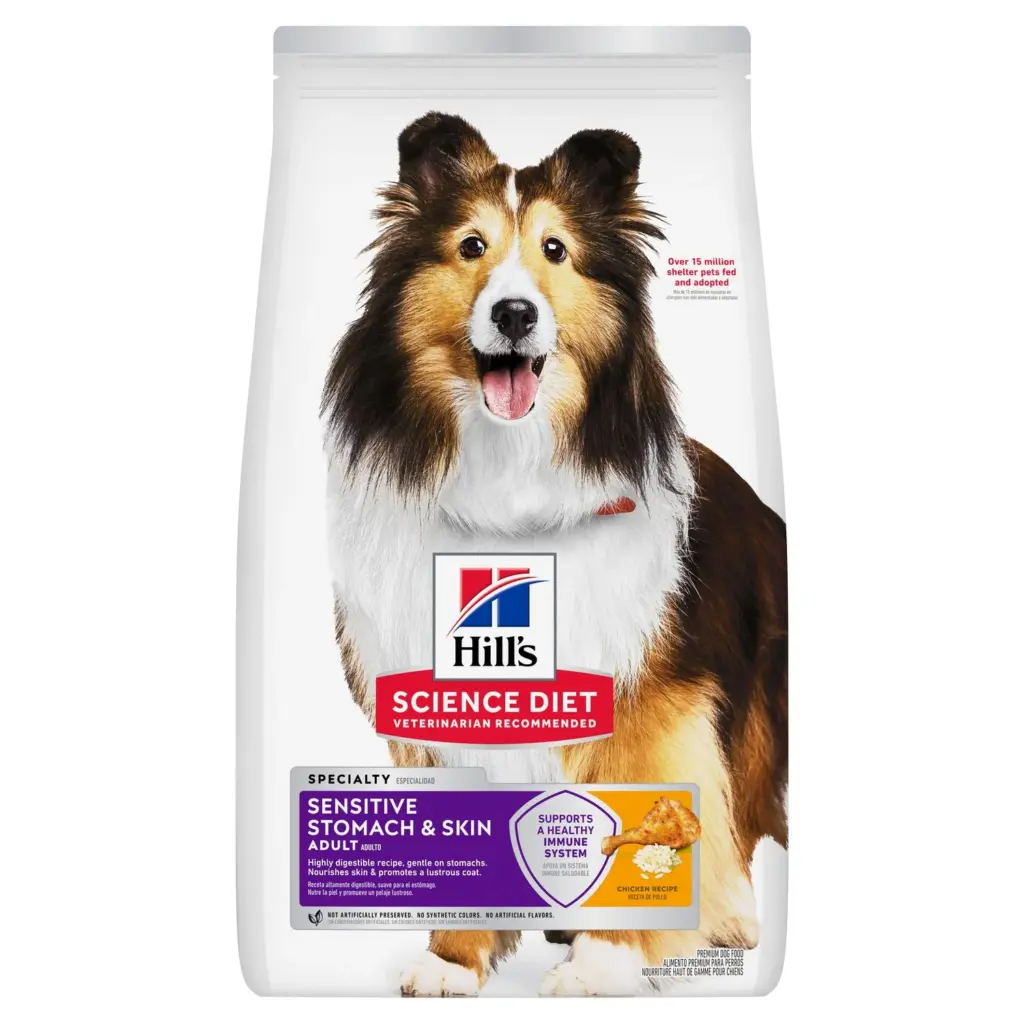
This section shows minimum percentages of crude protein and crude fat, and maximum percentages of crude fiber and moisture. It gives you a general sense of the food’s macronutrient profile but does not reflect ingredient quality, digestibility, or the full spectrum of micronutrients. Use it for broad comparisons, not as a definitive quality measure.
Life-Stage Nutrition: Matching Food to Your Pet’s Needs
A puppy’s nutritional requirements differ significantly from those of a senior dog. A growing kitten has different needs than a sedentary adult cat. Choosing a food formulated for your pet’s current life stage is one of the simplest and most impactful decisions you can make.
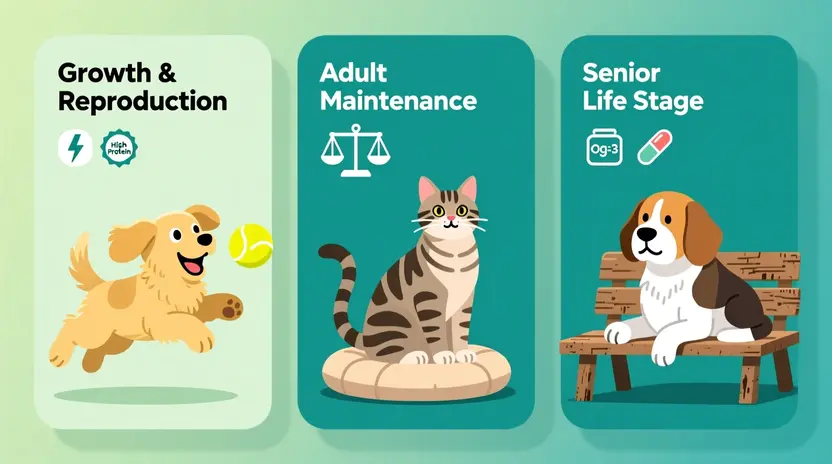
| Life Stage | Nutritional Focus | What to Watch For |
|---|---|---|
| Puppies & Kittens (Growth) | Higher protein and calories, precise calcium-to-phosphorus ratio, DHA for brain and vision development | Large-breed puppies need controlled calcium and calorie intake to protect developing joints |
| Adult Maintenance | Calorie-controlled, balanced nutrition to sustain a healthy weight and support organ function | Overfeeding is the most common mistake at this stage |
| Senior Pets | Digestible protein to preserve muscle, omega-3s for joints and cognition, adjusted calories | There’s no official AAFCO “senior” profile, so formulations vary widely between brands |
Puppies and Kittens (Growth Stage)
Young animals are building bone, muscle, organs, and immune defenses at a rapid rate. They require:
- Higher caloric density to support growth and high activity levels
- Elevated protein levels for tissue development
- Precise calcium-to-phosphorus ratios for proper skeletal formation (especially important in large-breed puppies)
- DHA and other fatty acids for brain and vision development
Foods labeled for “Growth” or “Growth and Reproduction” are formulated to meet these elevated needs. Feeding an adult food to a growing animal can result in nutrient shortfalls during a critical developmental window.
Adult Maintenance
Once a dog or cat reaches physical maturity (generally around 12 months for most cats and 12–24 months for dogs, depending on breed size), their nutritional focus shifts to maintaining a healthy weight, supporting organ function, and sustaining energy without excess calories.
Adult maintenance foods are calorie-controlled and balanced for long-term daily feeding. The key consideration at this stage is portion management—overfeeding is one of the most common contributors to pet obesity.
Senior Pets
There is no single AAFCO profile designated specifically for “senior” or “geriatric” pets, so senior-labeled foods vary widely in their formulation. However, veterinary nutritionists generally suggest that aging pets may benefit from:
- High-quality, easily digestible protein to help preserve lean muscle mass
- Adjusted caloric content, since many senior pets become less active
- Omega-3 fatty acids (EPA and DHA) to support joint comfort and cognitive function
- Adequate moisture intake, particularly for senior cats, who face a heightened risk of chronic kidney disease
- Regular veterinary monitoring to adjust the diet as health conditions evolve
Because individual health needs diverge significantly in the senior years, this is a stage where a conversation with your veterinarian becomes especially valuable before switching foods.
Key Nutritional Components to Understand
You don’t need to memorize a biochemistry textbook, but recognizing a few core nutrient categories helps you evaluate what a food actually provides.
Protein supplies essential amino acids that dogs and cats cannot produce on their own. Cats, as obligate carnivores, have a higher protein requirement and a specific need for the amino acid taurine, which is found in animal tissue. Dogs are more flexible but still thrive on quality animal-based proteins.
Fats and Fatty Acids provide concentrated energy and support skin health, coat condition, and the absorption of fat-soluble vitamins. Omega-3 and omega-6 fatty acids play important roles in managing inflammation and supporting brain function.
Carbohydrates and Fiber provide energy and support digestive health. Contrary to some popular claims, appropriately cooked grains such as rice, oats, and barley are digestible and nutritious for most dogs and cats. Fiber helps regulate bowel function and can support a healthy gut microbiome.
Vitamins and Minerals are required in small amounts but are essential for virtually every metabolic process, from bone formation to immune defense. A food that meets AAFCO standards will contain these in appropriate quantities.
Common Misconceptions to Set Aside
A few widely repeated claims can lead pet owners toward decisions that aren’t supported by evidence.
“Grain-free is automatically healthier.” There is no established scientific evidence that grain-free diets provide a health advantage for the general pet population. Properly cooked grains are a digestible source of energy and nutrients. The FDA opened an investigation in 2018 into a potential association between certain grain-free diets—particularly those high in peas, lentils, and other legumes—and dilated cardiomyopathy (DCM) in dogs.
In December 2022, the agency stopped issuing routine public updates, stating it had not found evidence establishing a direct causal link, though researchers continue to study the relationship between diet and canine heart health. The safest approach is choosing a well-established food backed by nutritional research and quality testing, whether or not it contains grain.
“Raw diets are more natural and therefore safer.” Major veterinary organizations, including the American Veterinary Medical Association and the World Small Animal Veterinary Association, advise against feeding raw or undercooked animal proteins due to the risk of bacterial contamination (such as Salmonella and E. coli) that can affect both pets and the humans handling the food. If you’re considering a raw diet for your pet, weigh the risks carefully and consult your veterinarian first.
“Natural” and “premium” guarantee higher quality. These terms are largely unregulated in pet food marketing. A product labeled “natural” or “premium” is not required to meet any nutritional standard beyond what applies to all pet foods. The AAFCO statement—not the front-of-package adjectives—tells you whether a food is nutritionally adequate.
“By-products are low-quality filler.” Animal by-products can include nutrient-dense organ meats such as liver, heart, and kidneys, which are rich in vitamins and minerals. The term “by-product” describes parts of the animal beyond the primary muscle meat; it does not inherently indicate poor quality.
Practical Tips for Everyday Feeding
Transitioning to a New Food
Switching your pet’s diet abruptly can cause vomiting, diarrhea, or a temporary refusal to eat. A gradual transition over seven to ten days gives the digestive system time to adjust:
- Days 1–3: 75% current food, 25% new food
- Days 4–6: 50% current food, 50% new food
- Days 7–9: 25% current food, 75% new food
- Day 10 onward: 100% new food
If your pet shows persistent digestive upset during the transition, slow the process down or consult your veterinarian before continuing.
Addressing Picky Eating
It’s common to assume a pet is simply being finicky, but a sudden or persistent loss of appetite can signal dental pain, nausea, stress, or an underlying medical condition. Before cycling through new brands in search of something your pet will eat, consider a veterinary checkup to rule out health causes.
For genuinely selective eaters with no medical issue, small adjustments—such as gently warming wet food, maintaining a consistent feeding schedule, and avoiding excessive treats between meals—can encourage better eating habits without resorting to constant food changes.
Watching for Warning Signs
Contact your veterinarian if you notice any of the following persisting for more than a day or two:
- Repeated vomiting or diarrhea
- Unexplained weight loss or gain
- Lethargy or reluctance to move
- A dull, dry coat or persistent skin irritation
- A significant decrease in appetite or water intake
- Changes in stool consistency or frequency that don’t resolve
These signs don’t always point to a food problem, but they are worth investigating promptly.
Making the Decision: A Practical Checklist
When you’re ready to choose or reevaluate your pet’s food, these questions can help you focus on what matters:
- Does the product carry a clear AAFCO nutritional adequacy statement for my pet’s species and life stage?
- Is the food appropriate for my pet’s age, activity level, and any known health conditions?
- Can I identify the primary protein source in the ingredient list?
- Is the manufacturer transparent about their formulation process and quality controls?
- Have I discussed my pet’s dietary needs with my veterinarian, especially if they have a medical condition?
- Am I feeding the appropriate portion size for my pet’s weight and activity level?
No single brand or product is universally “best.” The right food is nutritionally complete for your pet’s life stage, agrees with their digestive system, supports a healthy weight, and fits your household routine.
Exploring Your Options
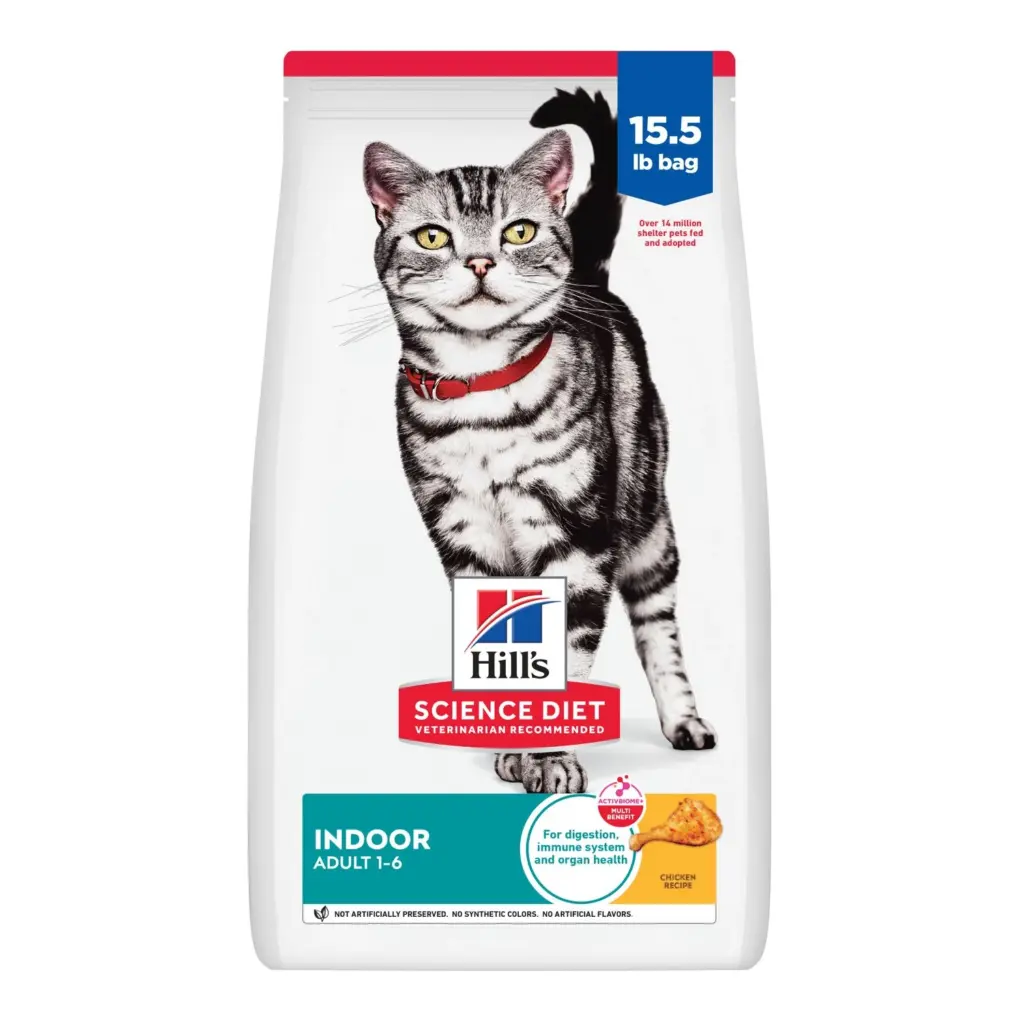
Once you understand what to look for, comparing specific products becomes more straightforward. Brands like Hill’s Pet Nutrition, for example, build their formulas around science-based research and high-quality ingredients such as lean proteins, essential fatty acids, vitamins, and minerals, with options designed for different life stages and dietary needs.
If you’d like to explore current options and available savings, you can browse Hill’s Pet Nutrition as a convenient starting point. As always, the most important step is matching any food to your individual pet’s needs—and your veterinarian is the best person to help you with that decision.
Frequently Asked Questions
What is the most important thing to look for on a pet food label?
The AAFCO nutritional adequacy statement. It confirms whether the food has been formulated—or tested through feeding trials—to meet the minimum nutrient requirements for your pet’s species and life stage. Without this statement, the food has not been verified as nutritionally complete.
Do I need to feed my pet a grain-free diet?
Not unless your veterinarian identifies a specific grain sensitivity or allergy, which is uncommon. For the vast majority of dogs and cats, properly cooked grains are safe, digestible, and provide useful energy and fiber. There is no established evidence that grain-free diets offer a general health advantage.
Is grain-free dog food linked to heart disease?
The FDA investigated a possible connection between certain grain-free diets and dilated cardiomyopathy (DCM) in dogs starting in 2018, with early attention on diets high in peas, lentils, or other legumes. The agency ended routine public updates in December 2022 without establishing a direct causal link, though the science is still evolving. If you feed a grain-free diet, choose a brand that invests in nutritional research and feeding trials, and mention it to your veterinarian, especially if your dog shows reduced stamina, coughing, or breathing difficulty.
How often should I switch my pet’s food?
There’s no nutritional requirement to rotate or switch foods on a schedule. If your pet is healthy, maintaining a stable weight, and thriving on their current diet, consistency is perfectly fine. Switch when there’s a specific reason—a life-stage change, a veterinary recommendation, or a confirmed intolerance—and always transition gradually over seven to ten days.
My pet won’t eat their food. Should I just try a different brand?
Not immediately. A sudden or prolonged loss of appetite can indicate dental disease, gastrointestinal discomfort, stress, or other medical issues. If the refusal lasts more than a day or two, or is accompanied by other symptoms, schedule a veterinary visit before switching foods.
Are “natural” or “premium” labels a reliable sign of quality?
No. These terms are not regulated by AAFCO in a way that guarantees superior nutrition. A “premium” product may or may not meet the same nutritional standards as a standard product. The AAFCO statement, not the front-of-package descriptor, is the meaningful quality indicator.
When should I talk to my veterinarian about my pet’s diet?
Any time your pet has a diagnosed medical condition, is significantly overweight or underweight, is transitioning between life stages, is showing digestive or skin issues, or if you’re considering a major dietary change such as a raw or homemade diet. Your veterinarian can provide individualized guidance that no general article or product label can replace.

Conclusion
Choosing your pet’s food doesn’t have to be stressful. By learning to read the AAFCO statement, understanding how nutritional needs shift from puppyhood through the senior years, recognizing which marketing claims carry real meaning, and keeping an open line of communication with your veterinarian, you put yourself in a strong position to make informed, confident feeding decisions. The goal isn’t perfection—it’s consistency, balance, and paying attention to how your individual pet thrives.