





You’ve done your research, read the labels, and picked out a new food for your dog or cat. Now comes the part many pet owners overlook: actually making the switch. Tossing out the old kibble and filling the bowl with something brand-new might seem efficient, but it’s one of the most common causes of unnecessary vomiting, diarrhea, and food refusal in otherwise healthy pets.
A dog’s or cat’s digestive system adapts to the specific blend of proteins, fats, fibers, and carbohydrates it receives day after day. An abrupt change forces that system to recalibrate all at once, often resulting in an upset stomach that could have been avoided entirely.
The fix is simple. Transition gradually over seven to ten days, giving your pet’s gut time to adjust. This guide walks you through exactly how to transition pet food, what to watch for along the way, and how to handle the situations that don’t go quite as planned.
Key Takeaways
- Transition healthy adult dogs and cats to a new food over 7–10 days; give sensitive stomachs, puppies, kittens, and seniors 14 days or more.
- A sudden switch disrupts gut bacteria and commonly causes vomiting, diarrhea, gas, or appetite loss — that’s usually the speed of the switch, not a sign the new food is wrong for your pet.
- Watch for red flags (repeated vomiting, diarrhea past 24 hours, refusal to eat) and slow down or pause the transition if they appear.
- Cats are especially vulnerable to prolonged fasting — contact your vet if a cat refuses food for more than 12–24 hours.
- Pets on a veterinary therapeutic diet should only transition under your vet’s specific guidance.
Why Gradual Transitions Matter
A pet’s gastrointestinal tract is home to a complex community of beneficial bacteria that help break down food, absorb nutrients, and support immune function. These microbial populations are tuned to the food your pet has been eating. When the diet changes suddenly, the balance shifts before the gut flora can adapt, leading to:
- Loose stools or diarrhea
- Vomiting or regurgitation
- Excess gas or abdominal discomfort
- Temporary loss of appetite
None of these symptoms usually indicate a serious problem, but they’re unpleasant for your pet and stressful for you. More importantly, repeated digestive disruption can make it harder to identify whether the new food itself is the issue or whether the problem was simply the speed of the switch.
A gradual transition lets you isolate the variable. If your pet’s stool firms up and their energy stays steady after the full transition, you can be reasonably confident the new food agrees with them. This isn’t just anecdotal advice, either — research on puppies switched between diets found that a gradual transition reduced diarrhea rates compared with an abrupt switch, most likely by giving the gut microbiota time to adjust to the new diet.
The Standard 10-Day Transition Schedule
For most healthy adult dogs and cats, a ten-day transition works well. The principle is straightforward: start with a small proportion of the new food mixed into the old, then slowly increase the ratio.
| Days | New Food | Current Food |
|---|---|---|
| Days 1–2 | 25% | 75% |
| Days 3–4 | 50% | 50% |
| Days 5–6 | 75% | 25% |
| Days 7–10 | 100% | 0% |
Days 1–2: Mix one part new food with three parts of the food your pet is used to. Stir them together thoroughly so your pet can’t simply pick around the unfamiliar pieces.
Days 3–4: Increase the new food to half the bowl. Keep mixing well.
Days 5–6: The new food now dominates the bowl. Watch your pet’s appetite and stool quality closely during this phase.
Days 7–10: Complete the switch. Continue monitoring for another two or three days to confirm everything has settled.
If your pet is eating normally, producing firm stools, and showing no signs of nausea or discomfort by day ten, the transition is complete.
Adjusting for Sensitive Stomachs
Some pets have more reactive digestive systems than others. If your dog or cat has a history of food sensitivities, inflammatory bowel issues, or frequent stomach upsets, extend the transition to fourteen days or even longer:
| Days | New Food | Current Food |
|---|---|---|
| Days 1–3 | 10% | 90% |
| Days 4–6 | 25% | 75% |
| Days 7–9 | 50% | 50% |
| Days 10–12 | 75% | 25% |
| Days 13–14 | 100% | 0% |
The slower pace gives a sensitive gut more time to adjust its enzyme production and microbial balance. There is no penalty for going slowly. The only real risk is going too fast.
Wet Food, Dry Food, and Mixed Feeding
The transition principle applies regardless of format, but a few practical notes help:
- Switching from dry to wet (or vice versa): The texture and moisture content change significantly. Mix the two formats during the transition so your pet adjusts to both the new ingredients and the new consistency gradually.
- Adding wet food as a topper to dry kibble: If you’re introducing wet food as a supplement rather than a full replacement, start with a very small spoonful mixed into the dry food and increase over several days.
- Switching between two dry foods: The standard schedule above works directly. Ensure both foods are at room temperature; very cold kibble straight from a garage or pantry can be less appealing.
- Switching between two wet foods: The same ratio schedule applies. Because wet food has a stronger aroma, most pets adjust readily, but the digestive adjustment period remains the same.
What to Watch For During the Transition
Monitor your pet daily throughout the transition. Normal adjustments include a slightly softer stool for the first day or two as the gut adapts. Concerning signs that warrant pausing the transition include:
- Vomiting more than once in 24 hours
- Diarrhea lasting longer than one day
- Complete refusal to eat for more than one meal (cats should not go more than 12–24 hours without eating due to the risk of hepatic lipidosis, a serious fatty liver condition)
- Visible abdominal pain, hunching, or whining
- Lethargy or unusual withdrawal
If any of these occur, return to the previous ratio that your pet tolerated well. Hold at that ratio for an additional two to three days before attempting to increase the new food again. If symptoms persist or worsen, contact your veterinarian before continuing.
Transitioning Puppies, Kittens, and Senior Pets
Puppies and kittens have less mature digestive systems. Use the standard ten-day schedule at minimum, and consider extending to fourteen days for very young animals (under 12 weeks). Because growing animals have higher protein and caloric needs relative to their body weight, any period of reduced intake during a transition should be kept as short as possible. If a puppy or kitten refuses to eat during the transition, consult your veterinarian promptly.
Senior pets may have reduced digestive efficiency, dental issues that affect chewing, or underlying conditions such as early kidney disease that influence dietary tolerance. Transition senior pets on the slower end of the schedule—fourteen days is often appropriate. If your senior pet is on a prescription or therapeutic diet, do not switch without your veterinarian’s guidance.
Special Situations
Your pet is on a veterinary-prescribed diet. If your veterinarian has recommended a therapeutic food for a medical condition (kidney support, urinary health, gastrointestinal management, allergies), follow your veterinarian’s specific transition instructions. These diets are formulated for specific purposes, and the transition may need to be faster or slower depending on the condition being managed.
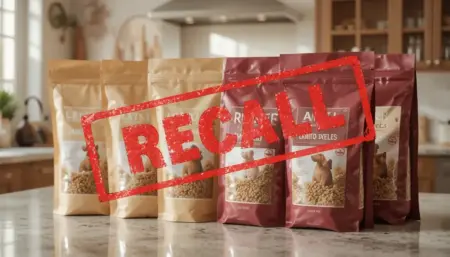
You’re switching due to a recall or safety concern. If your current food has been recalled — like the 2026 Go Raw pet food recall — or your veterinarian has advised an immediate stop, you may need to transition more quickly than the standard schedule allows. In this case, consult your veterinarian for a safe accelerated plan, and prioritize digestive support such as small, frequent meals.
Multiple pets in the household. If you feed multiple pets and only one is transitioning, feed them separately during the transition period. This prevents the transitioning pet from eating the other pet’s food and makes it easier to monitor individual appetite and stool quality.
Common Transition Mistakes to Avoid
Switching overnight. Even if your pet seems enthusiastic about the new food on day one, the digestive system still needs time. Resist the temptation to skip ahead.
Changing multiple variables at once. If you’re introducing a new food and also starting a new supplement, treat, or medication, stagger the changes. Introduce one new element at a time so you can identify what’s causing any reaction.
Assuming refusal means the food is bad. Some pets need a day or two to accept a new aroma or texture — this is common enough that it’s worth reading up on picky eater strategies before assuming the food itself is unsuitable. However, if refusal persists beyond two days at a given ratio, slow the transition down.
Ignoring portion guidelines. New foods may have different caloric densities than the old food. Check the feeding guide on the new food’s packaging and adjust portions to match your pet’s weight and activity level. Overfeeding during a transition can cause weight gain and mask digestive adjustment issues.
When to Call Your Veterinarian
Contact your veterinarian if:
- Vomiting or diarrhea persists beyond 24–48 hours after returning to the previous food ratio
- Your pet refuses all food for more than 24 hours (12 hours for cats)
- You notice blood in stool or vomit
- Your pet shows signs of dehydration (dry gums, sunken eyes, loss of skin elasticity)
- You’re transitioning a pet with a known medical condition and aren’t sure how to adjust the schedule.
- Your pet is losing weight during the transition.
Your veterinarian can assess whether the new food is appropriate, rule out underlying conditions, and provide a tailored transition plan.
Frequently Asked Questions
How long should a pet food transition take?
For most healthy adult dogs and cats, seven to ten days is sufficient. Pets with sensitive stomachs, very young animals, and senior pets may benefit from a fourteen-day transition. The key is to increase the new food gradually rather than making a sudden switch.
Can I switch my dog’s or cat’s food overnight?
It’s not recommended. An abrupt change can cause vomiting, diarrhea, gas, and appetite loss because the digestive system hasn’t had time to adjust. Even if your pet seems eager to eat the new food immediately, their gut needs several days to adapt.
My cat won’t eat the new food during the transition. What should I do?
Cats can be particularly sensitive to changes in aroma and texture. Return to the previous ratio your cat accepted and hold there for an extra two to three days before increasing the new food again. If your cat refuses all food for more than 12 to 24 hours, contact your veterinarian, as prolonged fasting in cats can lead to hepatic lipidosis, a serious liver condition.
Should I mix wet and dry food during a transition?
Yes, if you’re switching between formats. Mixing them helps your pet adjust to both the new ingredients and the new texture or moisture level simultaneously. Stir thoroughly so your pet can’t separate the two.
My pet had soft stool during the transition. Is that normal?
A slightly softer stool for the first day or two is common and usually resolves as the gut adjusts. However, if diarrhea persists for more than a day, return to the previous food ratio and slow the transition. If symptoms continue after returning to the old food, consult your veterinarian.
Do I need to transition between two foods from the same brand?
Generally, yes. Even within the same brand, different formulas can vary in protein sources, fat content, fiber levels, and caloric density. A shorter transition of five to seven days may be sufficient if the formulas are very similar, but a gradual switch is still safer than an abrupt one.
Do I need to adjust how much I’m feeding during the transition?
Possibly. Check the feeding guide on the new food’s packaging before you start — a more calorie-dense formula fed at the same volume as your old food can lead to overfeeding, while a less dense one can lead to underfeeding. Adjust the amount to your pet’s current weight and activity level, and recheck their body condition a few weeks after the transition is complete.

Conclusion
Transitioning pet food doesn’t need to be complicated, but it does need to be gradual. A structured seven-to-ten-day schedule protects your pet’s digestive comfort, gives you a clear picture of how they respond to the new food, and prevents the kind of stomach upset that can make both you and your pet miserable. Go slowly, watch for warning signs, and don’t hesitate to reach out to your veterinarian if anything seems off. With a little patience, most pets settle into a new food without any trouble at all.
If you’re exploring new food options and want to compare science-based formulas designed for different life stages and dietary needs, you can browse current Hill’s Pet Nutrition as a starting point. Whatever you choose, the transition principles in this guide will help you make the switch smoothly.