




If you have a picky eater dog or cat, you already know the frustration of preparing a meal only to have it rejected with a look of pure judgment. Your dog sniffs the bowl, glances at you with unmistakable disappointment, and walks away. Or your cat sits beside a full dish of food she’s eaten every day for two years and acts as though you’ve served her something offensive.
If this sounds familiar, you’re not alone. Selective eating is one of the most common feeding frustrations pet owners face. But before you start cycling through brands, warming food to different temperatures, or adding increasingly elaborate toppings to the bowl, it helps to understand what’s actually driving the behavior. Sometimes a picky eater dog or cat is simply expressing a preference. Other times, what looks like pickiness is a signal that something physical or environmental isn’t right.
This guide helps you sort out which situation you’re dealing with and offers practical, evidence-based strategies for both.
Key Takeaways
- Rule out medical causes first — dental pain, nausea, and systemic illness are common, easy-to-miss reasons behind a sudden drop in appetite.
- Some selectivity is normal, not a problem. Cats in particular are wired to be cautious around unfamiliar food.
- New feeding research suggests cats often stop eating because they’ve grown “nose-bored” with a familiar smell, not because they’re full — which changes how you should think about food rotation.
- Consistent schedules, minimal toppers, and fresh storage prevent most picky habits from forming in the first place.
- Persistent under-eating with weight loss always warrants a veterinary visit rather than more troubleshooting at home.
First: Rule Out a Medical Cause
The most important step with any pet that suddenly becomes selective—or has always been a very reluctant eater—is to consider whether a health issue is contributing. A pet in discomfort will often eat less, eat more slowly, or refuse food entirely. Common medical reasons for reduced appetite include:
- Dental disease or oral pain. Broken teeth, inflamed gums, or oral lesions make chewing uncomfortable. This is especially common in older dogs and cats but can affect animals of any age — and it’s more common than most owners realize. More than 80% of dogs and 70% of cats show signs of oral disease by age three, according to the American Veterinary Dental Society, and pets are naturally good at masking the pain until it’s fairly advanced.
- Gastrointestinal discomfort. Nausea, acid reflux, or low-grade stomach irritation can make a pet associate eating with feeling unwell.
- Respiratory congestion. A cat or dog with a stuffy nose may lose interest in food because the aroma—which is a primary driver of appetite, especially in cats—is diminished.
- Pain from other sources. Joint pain, ear infections, or abdominal discomfort can suppress appetite. In senior cats, arthritis is a frequently overlooked cause of a suddenly finicky appetite, since getting to the bowl or holding an eating posture can simply hurt.
- Systemic illness. Kidney disease, liver conditions, and metabolic disorders can reduce appetite. These are more common in senior pets but are not exclusive to them.
If your pet’s appetite change is sudden, accompanied by other symptoms (vomiting, lethargy, weight loss, changes in water intake), or has persisted for more than a couple of days, schedule a veterinary visit before trying behavioral strategies. Treating the underlying issue often resolves the eating problem entirely.
Understanding Normal Selective Behavior
Once medical causes are ruled out, it’s helpful to understand that some degree of food preference is normal. Dogs and cats have individual tastes, textures they prefer, and aromas that appeal to them more than others. Cats, in particular, are known for being more neophobic—wary of new foods—than dogs. This is partly evolutionary; in the wild, a cautious approach to unfamiliar food sources reduced the risk of ingesting something harmful.
A pet that eats consistently, maintains a healthy weight, and shows no other symptoms but simply prefers one flavor or texture over another is likely expressing a preference, not a problem. The goal isn’t to eliminate all preferences but to ensure those preferences don’t compromise nutrition or create unsustainable feeding routines.
Why Cats Seem to “Get Bored” of Food
Owners often describe a cat that abruptly stops eating a food it happily ate for months, even though nothing about the recipe changed. A 2026 study from Iwate University in Japan, published in the journal Physiology & Behavior, offers a physiological explanation. Researchers found that cats consistently stopped eating well before finishing a meal—even after a 16-hour fast—but resumed eating almost immediately when the food’s scent was altered, even though the food itself stayed the same.
The researchers describe this as a form of olfactory sensory-specific satiety: feeding motivation fades as a cat becomes accustomed to a familiar smell, and it can be reactivated by novelty in scent alone, not necessarily a new recipe or brand. Earlier research suggests this kind of scent habituation is less pronounced in dogs, which may help explain why cats develop a reputation for pickiness far more often than dogs do.
Practically, this means a cat “getting bored” of a food isn’t necessarily dislike—it may just be a nose that’s grown accustomed to one smell. It’s also part of why the toppers and warming strategies below work: they change the aroma profile of a familiar meal without requiring a full switch.
Practical Strategies That Help
Establish a Consistent Feeding Schedule
Free-feeding (leaving food out all day) is convenient, but it can contribute to grazing behavior and reduced interest at mealtime. Instead, offer meals at set times—typically twice daily for adult dogs and cats, following your pet’s feeding guidelines for portion size. Place the food down for 15 to 20 minutes, then remove it until the next scheduled meal. This gentle structure helps regulate appetite and makes mealtime more predictable.
For cats, some individuals prefer several smaller meals throughout the day rather than two larger ones. Adjust the schedule to your cat’s natural rhythm while keeping total daily portions appropriate for their weight.
Avoid Excessive Toppers and Table Scraps
Adding a small amount of warm water, low-sodium broth, or a spoonful of wet food to dry kibble can enhance aroma and make meals more appealing. However, if you’re adding a different topping every time your pet turns their nose up, you’re inadvertently teaching them that holding out produces a better option.
Keep toppers simple and consistent. Avoid feeding table scraps, which can disrupt nutritional balance, reinforce the expectation that something more interesting will come along if they wait, and occasionally include ingredients that aren’t safe for pets in the first place.
Check the Food’s Freshness and Storage
Kibble and wet food lose appeal as they age. Check expiration dates, store dry food in a sealed container in a cool, dry place, and refrigerate opened wet food promptly. Stale or oxidized food can smell “off” to a pet’s sensitive nose even if it appears fine to you.
Warm Wet Food Slightly
For cats especially, aroma is a powerful appetite trigger. Warming wet food to just below body temperature (about 95–100°F) releases volatile compounds that make the food smell more enticing. Microwave for a few seconds or add a small amount of warm water, and stir before serving to avoid hot spots.
Evaluate the Feeding Environment
Some pets are sensitive to their surroundings while eating. A bowl placed next to a noisy appliance, in a high-traffic area, or too close to a litter box (for cats) can create subtle stress that suppresses appetite. Try relocating the feeding station to a quiet, low-distraction area. For multi-pet households, ensure each animal has their own bowl with enough space to eat without feeling crowded or guarded.
Avoid Frequent Food Switching
It’s natural to want to try a new food every time your pet seems bored. However, frequent switching can create a cycle where your pet learns that refusing the current food leads to a new option. If the current food is nutritionally appropriate and your pet is otherwise healthy, give it a fair trial period before considering a change. If you do decide to switch, follow a gradual transition schedule to protect digestion.
What Not to Do
Don’t withhold food as punishment. If your pet skips a meal, simply remove the bowl and offer the next meal at the regular time. Prolonged fasting, especially in cats, carries medical risks.
Don’t force-feed. Holding a pet’s face over a bowl or pushing food into their mouth creates negative associations and increases anxiety around eating.
Don’t assume expensive equals preferred. A higher price tag doesn’t guarantee your pet will prefer a particular food. Palatability is individual.
Don’t ignore gradual weight loss. A pet that’s eating less and slowly losing weight over weeks or months needs veterinary evaluation, even if they seem otherwise fine.
When a picky-eater dog or cat becomes a Nutritional Concern
A pet that consistently eats too little may not be meeting their caloric and nutrient requirements. Signs to watch for include:
- Visible ribs, spine, or hip bones
- Reduced energy or reluctance to play
- A dull, dry coat
- Muscle wasting along the back or hindquarters
If you notice these changes, consult your veterinarian. They can assess body condition, run basic diagnostics, and help determine whether a dietary adjustment, appetite stimulant, or further investigation is needed. When appetite stimulation is warranted, vets typically reach for options such as mirtazapine (used off-label in both dogs and cats) or capromorelin, sold as Entyce for dogs and Elura for cats with chronic kidney disease — but dosing and suitability depend entirely on your individual pet, so these should only be used under veterinary direction, never on your own.
Building a Sustainable Routine
The most effective long-term approach to a selective eater is consistency combined with patience. Choose a nutritionally complete food appropriate for your pet’s life stage — cats have their own life-stage nutrient needs as well — establish a predictable feeding schedule, and resist the urge to over-accommodate every skipped meal. Most healthy pets will eat when hungry, provided there are no underlying medical or environmental barriers.
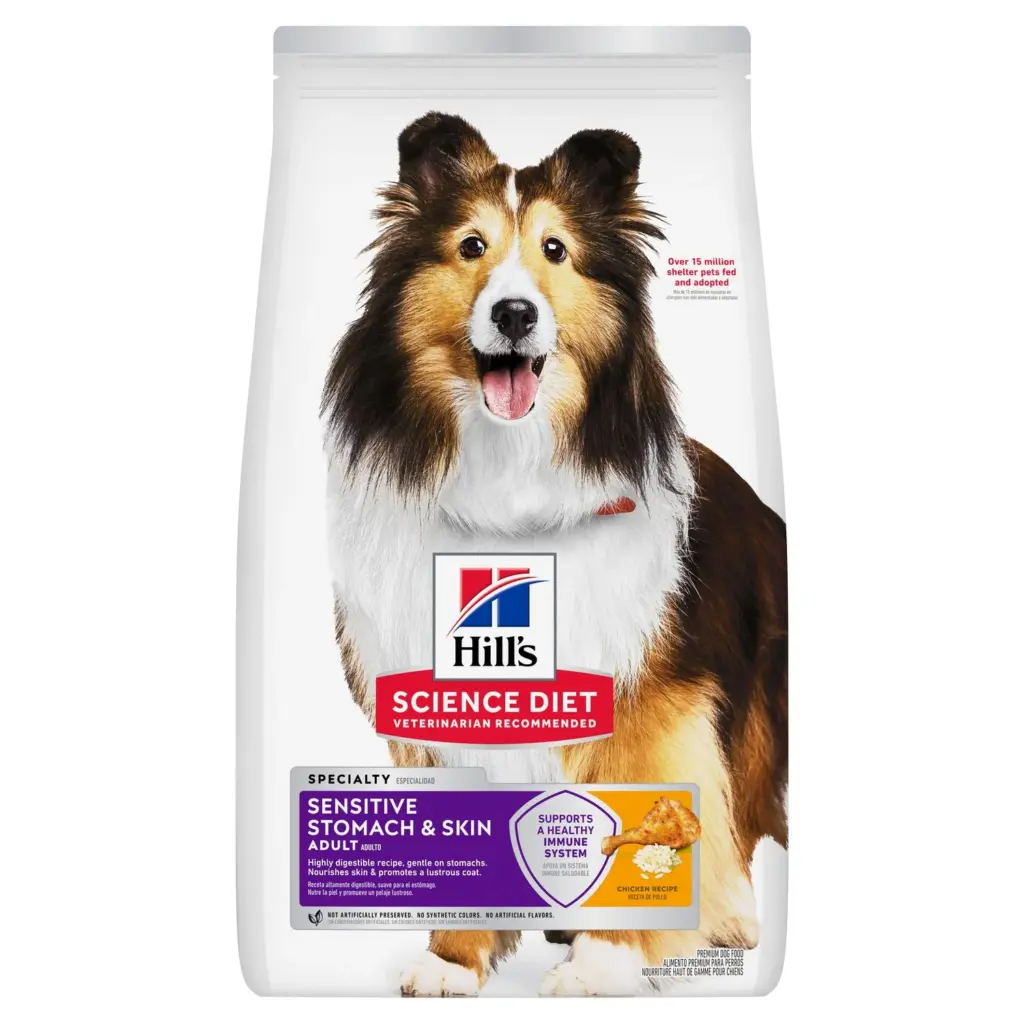
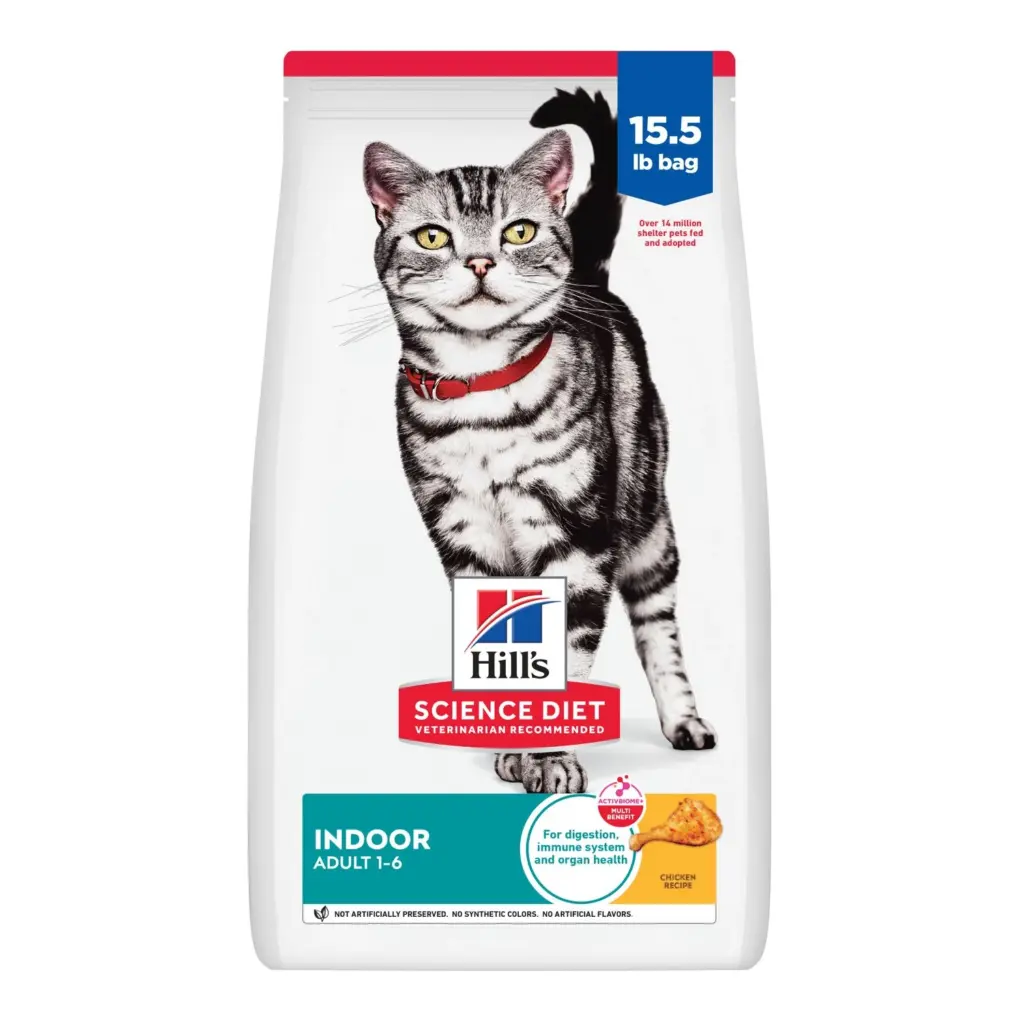
For pets with genuine, persistent selectivity that affects their quality of life or nutritional status, work with your veterinarian to explore options. In some cases, a specific formulation—such as a highly palatable therapeutic diet or a food with a different protein source—may be appropriate. Brands like Hill’s Pet Nutrition offer a range of science-based formulas with varied textures and protein profiles, and you can explore current options on Yazing if your veterinarian recommends a dietary change.
Frequently Asked Questions
My dog skips meals but seems perfectly healthy. Should I be worried?
If your dog maintains a healthy weight, has normal energy levels, and shows no other symptoms, an occasionally skipped meal is usually not a concern. However, if the pattern persists for more than a few days or you notice gradual weight loss, schedule a veterinary checkup to rule out underlying issues such as dental discomfort or low-grade nausea.
Is it safe to let my cat go without eating if she refuses her food?
Cats should not go more than 24 hours without eating. Prolonged fasting in cats can trigger hepatic lipidosis, a potentially serious liver condition. If your cat refuses all food for more than 12 to 24 hours, contact your veterinarian.
Why does my cat suddenly refuse a food she’s happily eaten for months?
This is often the “nose-bored” effect described above rather than true dislike. Cats can lose interest in a food simply because they’ve become sensory-habituated to its smell, and that interest often returns once the scent is refreshed—for example, by warming the food or adding a small amount of a different topper—without needing to switch foods entirely. If the refusal is sudden, total, and lasts beyond a day, treat it as a medical question first rather than a preference issue.
Should I switch to a more expensive or “premium” food to fix picky eating?
Not necessarily. Price and marketing labels don’t guarantee palatability. What matters is finding a nutritionally complete food your individual pet enjoys. If your pet is healthy and maintaining weight on their current food, there’s no need to switch. If you do want to explore options, consult your veterinarian first.
How do I stop my dog from holding out for treats and table scraps?
Eliminate between-meal treats and table scraps for at least two weeks. Feed meals at consistent times, remove the bowl after 15–20 minutes, and offer nothing until the next scheduled meal. Most dogs adjust within a few days once they learn that the bowl is the only option.
My cat only eats wet food and refuses dry kibble entirely. Is that a problem?
Not if the wet food is nutritionally complete for your cat’s life stage and you’re feeding appropriate portions. Some cats simply prefer wet food’s texture and aroma. Ensure your cat has access to fresh water, and discuss dental care with your veterinarian, since wet food doesn’t provide the mild abrasive action of kibble.
When should I take my picky eater to the vet?
Any time the appetite change is sudden, accompanied by vomiting, diarrhea, lethargy, weight loss, or other symptoms, or persists beyond two to three days without improvement. Senior pets and pets with known medical conditions should be evaluated sooner rather than later.

Conclusion
A picky eater can be frustrating, but the behavior usually has an explanation—whether it’s a medical issue that needs treatment, an environmental factor that’s easy to adjust, or a learned habit that responds to a more structured routine.
Start by ruling out health concerns, then apply consistent, low-pressure feeding strategies. Avoid the cycle of constant food switching, and give your pet time to settle into a rhythm. With patience and the right approach, most selective eaters can develop reliable, healthy eating habits without turning mealtime into a daily negotiation.