



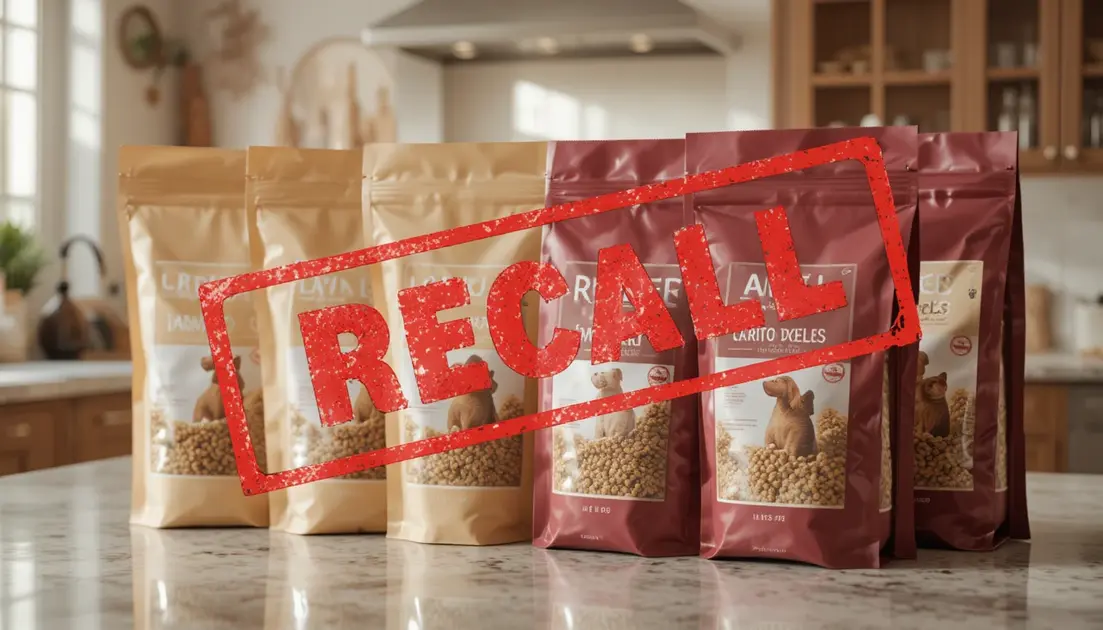
What if the premium freeze-dried food in your pantry right now is silently robbing your pet of a vital nutrient they need to survive? On June 8, 2026, the FDA announced an expanded recall that affects Steve’s Real Food Freeze-Dried Chicken Recipe due to dangerously low levels of thiamine (Vitamin B1).
If you’ve been feeding your dog or cat this product—or any Quest Cat Food product from Go Raw LLC, not just the chicken recipes—you need to check your pantry immediately.
The Go Raw pet food recall 2026 isn’t just another routine safety alert. This expansion represents a growing concern about nutrient deficiencies in raw and freeze-dried diets that promise superior nutrition but may fall dangerously short.
Three months after the initial February recall, ongoing testing revealed that the problem extends beyond the original products, putting more pets at risk of neurological damage. The situation is actually more serious than the recall notices alone suggest: FDA laboratory testing turned up a total of eight Quest Cat Food lots with extremely low or no thiamine — and five of those have never actually been recalled by the company.
Key Takeaways
- Recall expanded June 8, 2026, to include Steve’s Real Food Chicken Recipe (Lot C26022, best-by January 22, 2028)
- FDA lab testing found eight total Quest Cat Food lots with extremely low or no thiamine, but Go Raw LLC has formally recalled only three. Five more — pork, beef, white fish, and two additional chicken lots — remain on shelves and in homes with no company recall.
- Cats need roughly four times more thiamine than dogs and can’t store it in their bodies, making them far more vulnerable to rapid neurological decline.
- Early symptoms include decreased appetite, vomiting, and weight loss, sometimes appearing in as little as a week; advanced signs include head tilting, seizures, and vision changes.
- Immediate action required: Stop feeding any Quest Cat Food product — not just the officially recalled lots — check lot codes against the full list below, and contact your vet if you notice symptoms.
What Products Are Being Recalled
The Go Raw LLC recall situation has evolved significantly since February 2026. What started as a targeted withdrawal of specific Quest Cat Food products has now expanded to include an additional Steve’s Real Food product — and, as FDA testing later revealed, several more products the company never formally recalled at all.
Newly Recalled Product (June 8, 2026)
Steve’s Real Food Chicken Recipe Freeze Dried
- Package size: 1.25 lb bag
- Appearance: Beige zip-lock bag with maroon stripe
- Lot code: C26022
- Best-by date: January 22, 2028
- UPC: 6-91730-164 02-7
This product was distributed through retail stores across 20 states: Colorado, Utah, Washington, Oregon, Pennsylvania, Rhode Island, Michigan, California, Texas, Illinois, Georgia, North Carolina, South Carolina, Florida, Minnesota, New York, Ohio, Wisconsin, Idaho, and Montana.
Previously Recalled Quest Cat Food Products (February 2026)
| Product | Size | Lot Code | Best-By Date |
|---|---|---|---|
| Quest Cat Food Chicken Recipe Freeze Dried Nuggets | 10 oz | C25288 | October 15, 2027 |
| Quest Cat Food Chicken Recipe Frozen Diet | 2 lb | MCD25350 | June 16, 2027 |
| Quest Cat Food Chicken Recipe Frozen Diet | 12 lb | MCC25321 | May 17, 2027 |
The extended best-by dates on these products—stretching into 2027 and 2028—mean that affected bags could still be sitting in home freezers and pantries months after purchase, far from the original point of sale. This makes it critical for pet owners to verify their products regardless of when they bought them.
FDA Warning: Five More Lots Were Never Formally Recalled
This is the part of the story most recall roundups miss. On March 13, 2026, the FDA issued a separate advisory — distinct from the recall notices above — warning that its own laboratory testing found extremely low or no thiamine in eight total lots of Quest Cat Food, not just the three the company voluntarily recalled.
The investigation started after a veterinary neurologist reported a cat with severe thiamine-deficiency symptoms that had eaten one of the affected products. Additional consumer complaints of cat illness prompted the agency to test more lots, and every single one it tested came back deficient — several with no detectable thiamine at all, against an AAFCO minimum of 5.6 mg per kg.
The FDA recommended that Go Raw LLC recall all eight lots. As of the advisory, the company had recalled only three. The agency says it hasn’t received evidence that the other five have been pulled from shelves or that affected customers have been notified, even though the company has publicly stated it stopped selling all Quest products.
| Product | Lot Code | Best-By / Use-By Date | Thiamine Level Found (FDA Test) |
|---|---|---|---|
| Quest Cat Food Pork Recipe Freeze Dried Nuggets | C25358 | December 24, 2027 | Less than 0.1 mg/kg (under 2% of the minimum) |
| Quest Cat Food Beef Recipe Freeze Dried Nuggets | C25318 | November 14, 2027 | Less than 0.1 mg/kg (under 2% of the minimum) |
| Quest Cat Food White Fish Freeze Dried Nuggets | C25337 | December 3, 2027 | 0.85 mg/kg (about 15% of the minimum) |
| Quest Cat Food Chicken Recipe Freeze Dried Nuggets | C25336 | December 2, 2027 | 0.21 mg/kg (about 4% of the minimum) |
| Quest Cat Food Pork Recipe Freeze Dried Nuggets | C25321 | November 17, 2027 | 0.32 mg/kg (about 6% of the minimum) |
If you have any of these five lots — or you can no longer read a bag’s lot code — the FDA’s advice is to stop feeding it and talk to your veterinarian before continuing, even though no formal recall or refund process currently exists for them.
Why Thiamine Deficiency Poses a Serious Threat
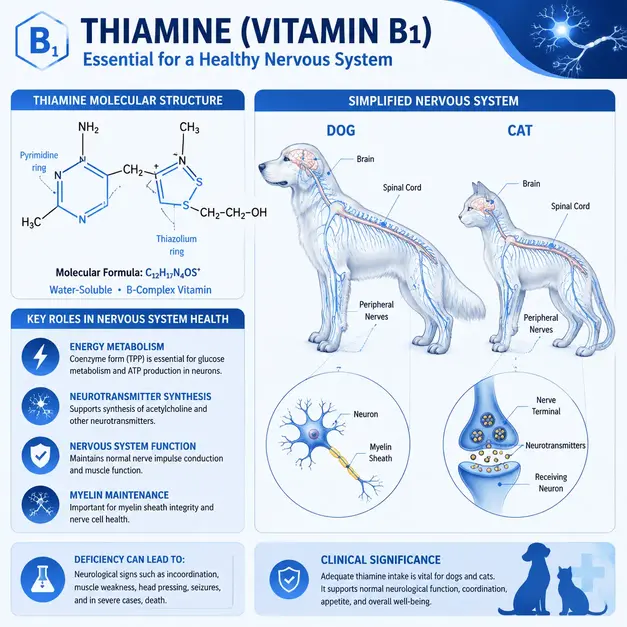
Think of thiamine as the spark plug in your pet’s engine. Your dog or cat can have the finest fuel (food) in the world, but without that critical spark, the entire system stalls.
Thiamine (Vitamin B1) isn’t just another supplement—it’s an essential water-soluble vitamin that powers your pet’s nervous system and enables their body to convert carbohydrates into usable energy.
Here’s the critical problem: dogs and cats cannot produce thiamine on their own. They depend entirely on their diet to supply it.
When freeze-dried or frozen foods lack adequate thiamine, pets develop a deficiency that progressively damages their neurological function.
Why Cats Face Greater Danger
Cats are particularly vulnerable to thiamine deficiency for two key reasons:
- Higher dietary requirements: The FDA notes cats need roughly four times more thiamine per pound of body weight than dogs
- Limited storage capacity: Unlike some other nutrients, cats cannot stockpile thiamine in their bodies for later use
According to the FDA, this combination makes cats significantly more susceptible to rapid neurological decline when fed thiamine-deficient food.
The Timeline of Damage
Thiamine deficiency doesn’t announce itself with obvious warning signs immediately. According to the FDA, some cats can begin showing symptoms in as little as one week, while others may take months before anything looks wrong. The progression follows a concerning pattern:
Early Stage (Days to Weeks):
- Decreased appetite or complete food refusal
- Vomiting
- Excessive salivation or drooling
- Gradual weight loss
These early symptoms mimic dozens of other common health issues, making them easy to dismiss or misdiagnose. Pet owners might attribute decreased appetite to stress, picky eating, or a minor stomach upset.
Advanced Stage (Weeks to Months if Untreated):
- Ventroflexion: A telltale sign where the cat’s head bends downward toward the chest
- Mental dullness or confusion
- Vision changes or apparent blindness
- Ataxia (wobbly, uncoordinated walking)
- Circling behavior
- Seizures
- Progression to life-threatening neurological crisis
The good news, according to veterinary consensus, is that when caught early and treated with thiamine supplementation and supportive care, most animals recover well. The deficiency is generally reversible if addressed before permanent neurological damage occurs.
Go Raw LLC acknowledged this challenge in their FDA statement: “Thiamine is a sensitive nutrient, and testing results can vary significantly, even in products formulated with elevated levels.” This admission highlights a fundamental issue with relying solely on manufacturer formulations without consistent batch testing — though as the FDA’s own advisory shows, it doesn’t fully account for the five lots the agency flagged as deficient that the company has still never recalled.
Recognizing the Warning Signs in Your Pet
If you’ve been feeding any of the recalled products, your pet may already be developing thiamine deficiency—or they may appear perfectly normal despite ongoing exposure.
The insidious nature of this deficiency means symptoms can develop gradually, making them easy to miss until significant damage has occurred.
What to Watch For
Monitor your pet closely for these warning signs over the coming days and weeks:
Behavioral Changes:
- Sudden loss of interest in food or treats they normally love
- Unexplained weight loss despite normal eating
- Unusual confusion or seeming “not themselves”
- Decreased interaction or responsiveness
Physical Symptoms:
- Vomiting (especially if recurrent)
- Excessive drooling or salivation
- Stumbling, falling, or difficulty walking normally
- Circling in one direction repeatedly
- Head tilting or holding the head in an abnormal position
- Apparent vision problems (bumping into objects)
- Seizures or tremors
When to Contact Your Veterinarian
Don’t wait to see if symptoms improve on their own. If you notice any of these signs—even mild ones—contact your veterinarian immediately. Tell them:
- You’ve been feeding a recalled Go Raw LLC product
- The specific product name and lot code
- How long your pet has been eating it
- All symptoms you’ve observed, no matter how minor they seem
Early intervention makes a substantial difference in outcomes. Veterinarians can administer thiamine injections, provide supportive care, and monitor your pet’s neurological function to prevent permanent damage.
What to Do Right Now
If you discover any recalled products in your home, follow these steps immediately:
Step 1: Stop Feeding the Product
Remove all recalled food from your pet’s reach immediately. This includes:
- Open bags in your pantry or freezer
- Partially used containers
- Food stored in pet food dispensers
- Treats or samples from the same product line
Step 2: Return or Dispose Safely
Return for refund: Take the product back to the store where you purchased it for a full refund or replacement. Keep your receipt if you have it, though most retailers will process recalls without one.
If returning isn’t possible, seal the product in a plastic bag and dispose of it in an outdoor trash container that pets and wildlife cannot access.
Step 3: Check Your Records
Even if you don’t have the physical product, check:
- Your purchase receipts
- Credit card statements
- Auto-ship subscription records
- Photos you may have taken of the product
The lot code and best-by date are printed on every bag. If you can’t locate your product but suspect it might be affected, contact the retailer or Go Raw LLC directly at their customer service line.
Step 4: Transition to Safe Food
If you’ve been feeding a recalled product, you’ll need to transition your pet to a different food. Work with your veterinarian to choose an appropriate alternative that meets AAFCO (Association of American Feed Control Officials) nutritional standards. For a full walkthrough of switching foods safely, see our step-by-step food transition guide.
Transition timeline:
- Days 1-3: 75% old food (if not recalled), 25% new food
- Days 4-6: 50% old food, 50% new food
- Days 7-9: 25% old food, 75% new food
- Day 10+: 100% new food
Note: If the old food is recalled, transition more quickly over 3-5 days to minimize continued thiamine deficiency exposure.
Step 5: Monitor and Document
Keep a daily log of your pet’s:
- Appetite and food intake
- Energy levels
- Any vomiting or digestive upset
- Neurological signs (coordination, behavior changes)
- Weight (if you have a pet scale)
Share this information with your veterinarian at follow-up appointments.
Understanding the Bigger Picture: Raw Food Safety
The Go Raw pet food recall 2026 raises important questions about freeze-dried and raw pet food safety that every pet owner should understand.
The Promise vs. The Reality
Raw and freeze-dried diets have gained popularity among pet owners seeking “natural” alternatives to traditional kibble. These products promise:
- Higher protein content
- Fewer processed ingredients
- Closer resemblance to ancestral diets
- Improved coat condition and energy levels
However, the reality is that raw and freeze-dried foods face unique nutritional challenges:
| Challenge | Impact |
|---|---|
| Nutrient degradation | Heat-sensitive vitamins like thiamine can break down during processing or storage |
| Batch variability | Natural ingredients vary in nutrient content, making consistent formulation difficult |
| Testing limitations | Not all manufacturers test every batch for complete nutritional profiles |
| Storage sensitivity | Improper storage (temperature, humidity, light exposure) can degrade nutrients over time |
Why This Recall Expanded
The three-month gap between the initial February recall and the June expansion reveals an important truth: nutrient deficiencies in pet food aren’t always immediately apparent.
The fuller story starts earlier than the June expansion, though. According to the FDA, its investigation began after a veterinary neurologist flagged a cat with severe thiamine-deficiency symptoms, and further consumer complaints led the agency to test a total of eight lots — every one of which came back deficient. Go Raw LLC’s own explanation to the FDA points to genuine difficulty in thiamine testing, but that doesn’t account for the five FDA-flagged lots the company has still never recalled (see the table above).
This delayed detection, and the gap between what the FDA has flagged and what the company has actually recalled, underscores why pet owners must:
- Regularly check the FDA’s Animal Veterinary Recalls & Withdrawals page — and its advisories, which can flag unsafe products before a formal recall exists
- Register products when possible to receive direct recall notifications
- Buy from manufacturers with transparent testing protocols
- Rotate protein sources and food brands to prevent single-nutrient deficiencies
Making Informed Choices
If you choose to feed raw or freeze-dried diets, protect your pet by:
Researching manufacturers:
- Look for companies that conduct regular third-party nutritional testing
- Verify AAFCO nutritional adequacy statements on packaging
- Check the company’s recall history and response transparency
Practicing safe feeding:
- Store freeze-dried foods in cool, dry conditions
- Use products before their best-by dates
- Freeze products if you won’t use them within the recommended timeframe
- Never feed products past their expiration date
Monitoring your pet:
- Schedule regular veterinary check-ups (at least annually)
- Request blood work to monitor nutritional status
- Watch for subtle changes in behavior, appetite, or energy
- Report any concerns to your veterinarian immediately
Frequently Asked Questions
Can I still feed other Steve’s Real Food or Quest products not on the recall list?
The FDA and Go Raw LLC have only formally recalled the specific lots listed above — but the FDA has separately flagged five more lots (pork, beef, white fish, and two more chicken lots) as deficient in its March 2026 advisory, even though those haven’t been recalled. If you’re concerned about any product, contact Go Raw LLC customer service at “cs@gorawllc.com” to discuss your specific product. They can provide batch-specific testing information and help you make an informed decision.
Why has Go Raw LLC only recalled some of the lots the FDA tested?
The FDA recommended the company recall all eight lots it tested after finding extremely low or no thiamine in every one. Go Raw LLC has formally recalled only three. The FDA says it hasn’t received evidence that the other five — pork, beef, white fish, and two more chicken lots — have been pulled from stores or that affected customers have been notified. If you have any of those five lots, the FDA recommends talking to your vet about whether to keep feeding it, even without an official recall or refund process in place.
How long does it take for thiamine deficiency symptoms to appear?
Symptoms can develop within days to weeks of eating thiamine-deficient food, depending on your pet’s baseline nutritional status, species (cats develop symptoms faster), and the severity of the deficiency. The FDA notes some cats show early signs like decreased appetite in as little as one week, while for others it can take months; neurological symptoms typically take longer to manifest.
Will my pet recover completely from thiamine deficiency?
According to veterinary consensus, most pets recover well when the deficiency is caught early and treated with thiamine supplementation and supportive care. However, pets with advanced neurological symptoms may experience some permanent deficits. This is why immediate veterinary attention is critical if you suspect exposure.
Can I test my pet’s food for thiamine levels at home?
No. Thiamine testing requires specialized laboratory equipment and cannot be done at home. If you’re concerned about your pet’s food, stop feeding it immediately and switch to a verified complete and balanced diet that meets AAFCO standards.
Are other raw or freeze-dried brands safe?
This recall affects specific Go Raw LLC products only. However, all pet owners should regularly check the FDA recall page — and its advisories, not just formal recalls — regardless of brand. Choose manufacturers with strong quality control programs and AAFCO nutritional adequacy statements.
Conclusion
The Go Raw pet food recall 2026 serves as a critical reminder that even premium freeze-dried foods can fall short of their nutritional promises — and that a formal recall notice doesn’t always cover every product a lab test has flagged as unsafe. Thiamine deficiency develops silently, robbing your pet of neurological function before obvious symptoms appear.
But with immediate action—stopping any Quest Cat Food product, not just the officially recalled lots, watching for warning signs, and partnering with your veterinarian—you can protect your pet from serious harm.
Check your pantry today. Don’t assume a product is safe just because it isn’t on the official recall list — the FDA’s own advisory covers five more lots the company hasn’t recalled. If you find any of the products listed above, stop feeding it, return or dispose of it safely, and monitor your pet closely for the next several weeks. Your vigilance could prevent irreversible neurological damage.
Have questions about pet food safety or navigating recalls? Join the PetsMirror community and share your experiences. Together, we can keep our pets healthier, one informed decision at a time.