




Looking for a cat that won’t disturb your neighbors? The top 10 quietest cat breeds for apartment living are the Ragdoll, British Shorthair, Persian, Maine Coon, Russian Blue, Birman, Exotic Shorthair, American Shorthair, Scottish Fold, and Sphynx.
These breeds combine low-volume vocalizations with the adaptability needed for small spaces, making them well-suited companions for city dwellers. Below, we explore each breed’s personality, care requirements, and practical tips to keep your home peaceful.
Key Takeaways
- The quietest cat breeds are the Ragdoll, British Shorthair, Persian, Maine Coon, Russian Blue, Birman, Exotic Shorthair, American Shorthair, Scottish Fold, and Sphynx.
- Vocalization depends on genetics, age, health, and environment; breed is only part of the picture.
- Persians and Russian Blues are consistently the lowest-vocal choices; Sphynx cats “talk” more through chirps and physical affection than through meowing.
- Enrichment, a predictable routine, and regular vet checkups reduce excess vocalization in any cat, regardless of breed.
- Scottish Folds carry a painful, lifelong cartilage condition tied to their signature folded ears, a welfare factor worth understanding before you adopt one.
What Makes a Cat Quiet?
A cat’s “talkativeness” isn’t random; it’s shaped by genetics, age, health, and environment. Understanding these factors helps you choose a feline that naturally stays low-key.
- Breed genetics – Some lines, such as Persians and Russian Blues, have been selectively bred for calm temperaments and softer vocal cords.
- Age – Kittens chatter while exploring; adult cats usually settle into quieter patterns.
- Health – Dental pain, hyperthyroidism, or anxiety can trigger frequent meowing.
- Environment – Stressful stimuli, such as loud neighbors, cramped litter boxes, or sudden changes, often make cats louder.
By addressing health and habitat while selecting a breed predisposed to quietness, you create the best conditions for a low-noise companion.
How to Choose the Right Quiet Breed for Your Lifestyle
Not every low-vocal breed fits every apartment dweller. Use the checklist below to match a breed to your routine, space, and personal preferences.
| Consideration | Questions to Ask Yourself | Why It Matters |
|---|---|---|
| Space | Do you have high shelves or a balcony? | Some breeds (e.g., Maine Coon) love vertical climb-spaces. |
| Time at Home | Are you home most of the day? | Social cats like the Sphynx thrive on constant human contact. |
| Grooming Tolerance | Can you brush your cat weekly? | Long-haired cats (Persian, Birman) need regular grooming. |
| Allergies | Do you or a housemate have cat allergies? | Hairless breeds (Sphynx) produce fewer allergens, but still need bath-time care. |
| Budget | What’s your monthly pet-care budget? | Larger breeds often eat more; grooming tools add cost. |
| Noise Sensitivity | Do you work from home or need quiet nights? | Low-vocal breeds (British Shorthair, Russian Blue) are best for quiet environments. |
Choose the breed that aligns with the most items on your list; this naturally reduces stress-induced vocalizations.
The Top 10 Quietest Cat Breeds for Apartment Living
Below is a detailed look at each of the top 10 quietest cat breeds for apartment living. Each breed entry follows the same structure for easy comparison.
1. Ragdoll
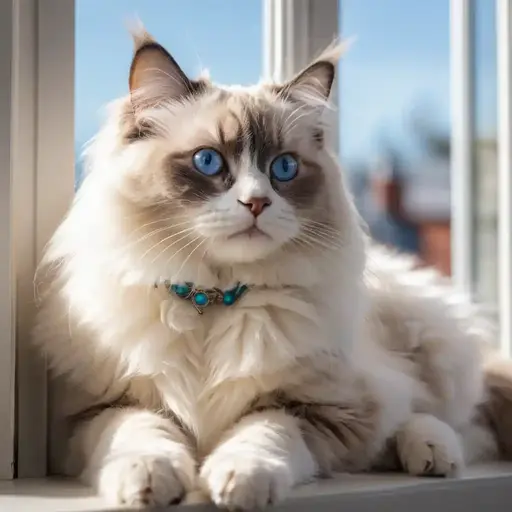
History & Origin – Developed in the 1960s in California, the Ragdoll earned its name because it tends to go limp and relaxed when held.
Vocalization Level – Soft, infrequent meows; most communication is through purring and slow blinks.
Temperament – Extremely affectionate, they often follow owners from room to room and enjoy lap time without demanding attention vocally.
Grooming Needs – Semi-long coat, weekly brushing to prevent matting.
Ideal Apartment Setup – A sunny window perch, a cozy cat bed, and a few interactive toys keep this laid-back cat happy.
Extra Note – The famous “Ragdoll flop” is a trust-based temperament trait, not a special pain tolerance or anatomical quirk. Ragdolls feel discomfort just like any other cat; they simply relax their muscles when they feel safe. That calm disposition was deliberately bred in, making them a good match for first-time apartment owners.
2. British Shorthair
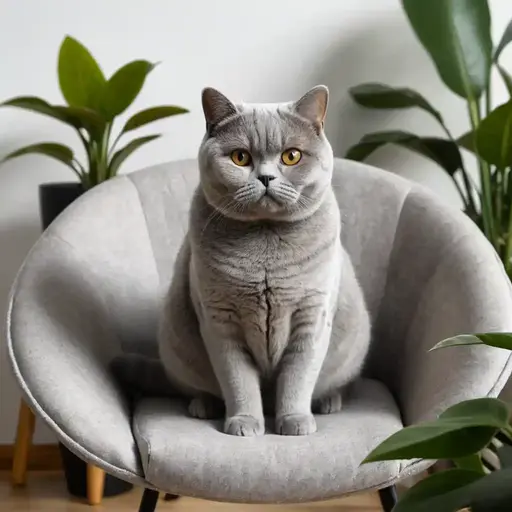
History & Origin – A sturdy, teddy-bear-looking breed from Victorian England; originally a farm and working cat turned show star.
Vocalization Level – Very low; relies on body language (tail flicks, ear positions) to express needs rather than vocalizing.
Temperament – Independent yet friendly; enjoys gentle cuddles but doesn’t demand constant attention.
Grooming Needs – Low; a quick weekly brush removes loose hair.
Ideal Apartment Setup – A solid cat tree and a sunny spot on a bookshelf satisfy its love of observation.
Extra Note – Known for “silent judgment,” they often stare you down without a single meow.
3. Persian
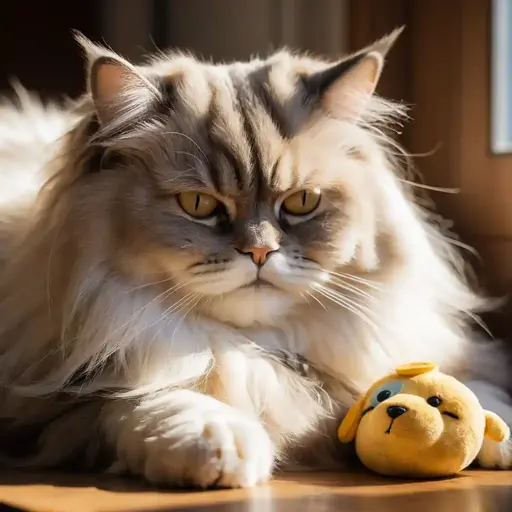
History & Origin – The classic long-haired Persian traces to long-haired cats brought from Persia (modern-day Iran) to Italy in the 1620s; European breeders, especially in Britain, refined the look into today’s breed over the following centuries.
Vocalization Level – Whisper-quiet; communicates through soft purrs and gentle nudges.
Temperament – Placid, prefers a calm household and loves to be a lap cat on quiet evenings.
Grooming Needs – Daily brushing and regular face cleaning due to their brachycephalic (flat) faces, which can also predispose them to tear staining and breathing difficulty, worth discussing with your vet at checkups.
Ideal Apartment Setup – A dedicated grooming area, a plush bed, and a calm corner free from loud appliances.
Extra Note – Their flattened facial structure and shorter airway shorten vocal projection, contributing to their hushed nature.
4. Maine Coon
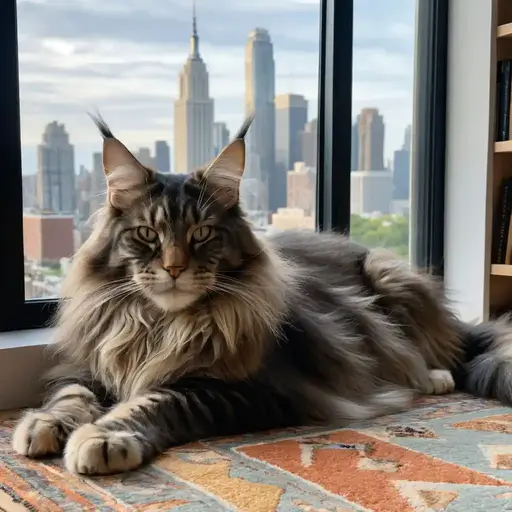
History & Origin – Originating in New England, the Maine Coon is North America’s largest domestic cat and currently the Cat Fanciers’ Association’s most-registered breed.
Vocalization Level – Soft chirps and trills replace loud meows; their “voice” is melodic but muted.
Temperament – Social, loves families; enjoys high perches and gentle play.
Grooming Needs – Regular brushing (2–3 times weekly) to manage its thick, water-repellent coat.
Ideal Apartment Setup – Tall cat trees, sturdy scratching posts, and a window shelf for bird-watching.
Extra Note – Often called “quiet watchdogs,” they remain alert without sounding the alarm.
5. Russian Blue
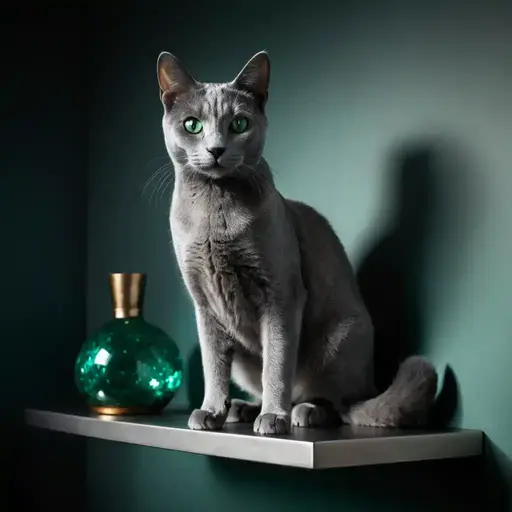
History & Origin – Legend says the Russian Blue descended from ship cats of the 19th century; known for its sleek silver-blue coat and emerald eyes.
Vocalization Level – Reserved; rarely meows and uses a soft “mew” only when necessary.
Temperament – Intelligent, loyal to a single person, enjoys quiet play like puzzle toys.
Grooming Needs – Minimal; a weekly brush keeps the short coat shiny.
Ideal Apartment Setup – A calm, predictable routine with a few hidden toys to engage its curiosity.
Extra Note – Genetic traits favor observation over vocal interaction, making them natural apartment companions.
6. Birman
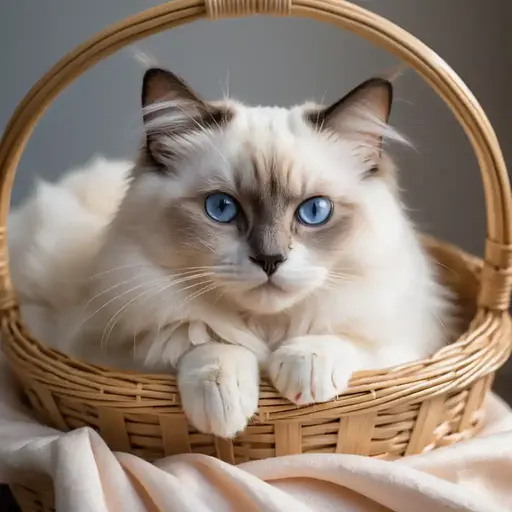
History & Origin – According to breed legend, Birmans were sacred temple companions in Burma (Myanmar); the documented breed itself was developed in France in the early 1900s and is prized for its striking blue eyes and white “gloves.”
Vocalization Level – Moderate but infrequent; prefers mellow meows and soft purrs.
Temperament – Gentle, people-oriented, loves to sit on laps and follow owners around.
Grooming Needs – Weekly brushing; occasional grooming of the silky coat.
Ideal Apartment Setup – A comfortable cat cave, a few interactive toys, and sunny windows for lounging.
Extra Note – Many owners describe their Birman as a “fluffy meditation buddy” because of its quiet grace.
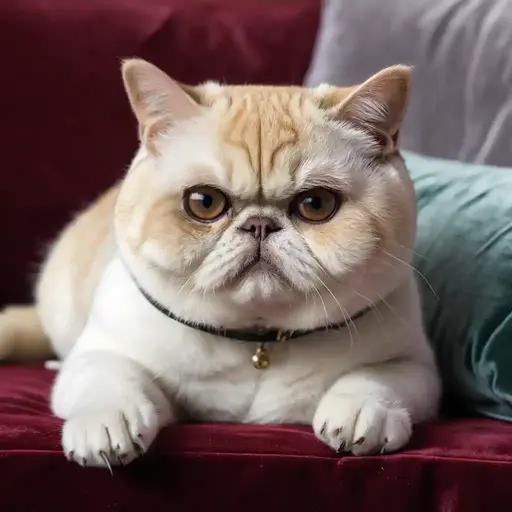
7. Exotic Shorthair
History & Origin – The short-haired cousin of the Persian, created by crossing Persians with American Shorthairs for a low-maintenance look.
Vocalization Level – Soft, occasional purrs; rarely demands attention with loud meowing.
Temperament – Calm, affectionate, enjoys lounging but also engages in brief play sessions.
Grooming Needs – Weekly brushing, occasional face cleaning due to the flat nose.
Ideal Apartment Setup – A snug cat bed, simple toys, and a stable routine.
Extra Note – The shortened nose muffles sound, giving the breed a naturally quieter voice.
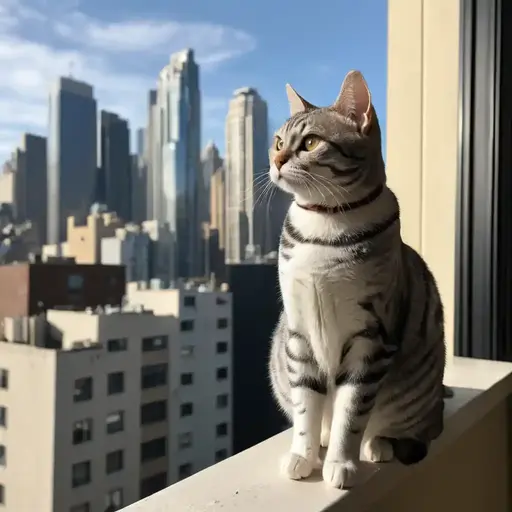
8. American Shorthair
History & Origin – Descended from working farm cats brought to North America; valued for hardiness and hunting skill.
Vocalization Level – Low; uses short chirps to signal hunger or affection.
Temperament – Even-tempered, adaptable, gets along with children and other pets.
Grooming Needs – Minimal; weekly brushing keeps the coat in shape.
Ideal Apartment Setup – A few scratching posts, a balanced diet, and regular playtime to satisfy its natural predatory instincts.
Extra Note – Their quiet nature stems from a survival trait favoring stealth over vocal alarms.
9. Scottish Fold
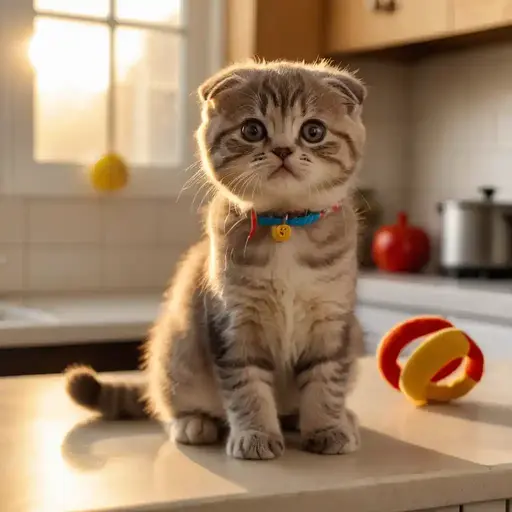
History & Origin – The breed traces back to Susie, a barn cat with naturally folded ears discovered in Scotland in 1961; her folded-ear kittens became the foundation of today’s Scottish Fold.
Vocalization Level – Soft, chirpy meows; generally not loud.
Temperament – Affectionate, enjoys being near people but isn’t overly clingy.
Grooming Needs – Regular ear cleaning due to the folded ears; moderate brushing.
Ideal Apartment Setup – Soft bedding, low-traffic zones, and a few interactive toys.
Health Note – The same gene mutation that folds a Scottish Fold’s ears also affects cartilage throughout the body, causing a painful, progressive joint condition called osteochondrodysplasia to some degree in every cat that carries it. Veterinary welfare organizations, including International Cat Care and the UK’s BVA, consider breeding folded-ear cats together unethical, and the breed is restricted or banned in several countries. If you’re drawn to a Scottish Fold, adopt from a rescue where possible, or work only with a breeder who tests for the gene and never pairs two folded-ear cats.
Extra Note – Many owners report their Fold being quieter than a neighborhood puppy.
10. Sphynx
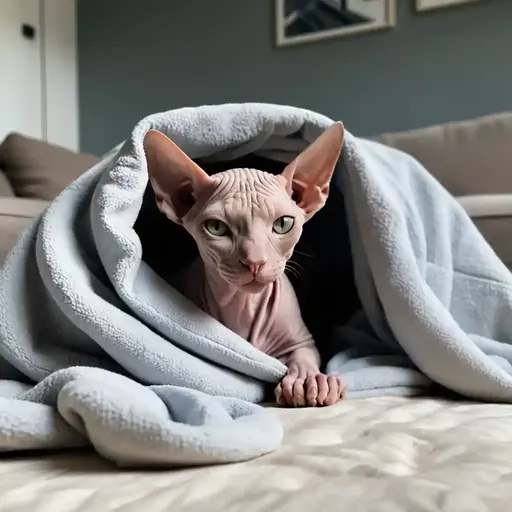
History & Origin – The hairless mutation first appeared in Toronto, Canada, in 1966; breeders spent the 1970s developing today’s Sphynx through selective crossbreeding, prizing its wrinkled skin and large ears.
Vocalization Level – Communicates through chirps, trills, and frequent head-butts rather than loud meows.
Temperament – Energetic, highly social, thrives on human interaction and temperature-controlled environments.
Grooming Needs – Weekly baths to remove oil build-up; keep blankets warm for comfort.
Ideal Apartment Setup – Warm, draft-free area, soft blankets, and plenty of playtime.
Extra Note – Though hairless, the Sphynx’s calm vocal style still makes it a top-ranked quiet breed.
Quiet Cat Breeds Comparison
| Breed | Vocalization Level | Temperament | Apartment Suitability | Grooming Needs |
|---|---|---|---|---|
| Ragdoll | Low | Relaxed, affectionate | High (adaptable) | Moderate (weekly brush) |
| British Shorthair | Low | Calm, friendly | High | Low (quick brush) |
| Persian | Very Low | Placid, lap-cat | High (quiet) | High (daily brush) |
| Maine Coon | Low | Gentle, sociable | Moderate (needs vertical space) | Moderate (2–3x weekly) |
| Russian Blue | Low | Reserved, elegant | High | Low (weekly brush) |
| Birman | Low | Gentle, people-oriented | High | Moderate (weekly brush) |
| Exotic Shorthair | Low | Playful, quiet | High | Low (weekly brush) |
| American Shorthair | Low | Easygoing, adaptable | High | Low (weekly brush) |
| Scottish Fold | Low | Friendly, soft-spoken | High | Low-moderate (ear care) |
| Sphynx | Moderate (chirps) | Social, quiet | High (temperature-controlled) | High (weekly bath) |
Grooming needs vary with coat type; the Sphynx requires regular baths despite being hairless.
Noise Management Strategies Beyond Breed Selection
Even the quietest cat can become vocal if its environment isn’t right. Use these proven tactics to maintain a peaceful apartment:
Environmental Enrichment
- Vertical playgrounds – Install cat trees, wall shelves, or window perches to satisfy climbing instincts.
- Window views – A safe, outward-facing perch provides bird-watching entertainment, reducing boredom-driven meowing.
- Rotating toys – Offer puzzle feeders, feather wands, and interactive toys on a weekly schedule.
Training for Quiet Communication
- Reward silence – Offer treats when your cat chooses to purr or simply sits calmly instead of meowing.
- Pre-empt needs – Feed, clean the litter box, and provide fresh water before the usual demand times.
- Ignore excessive meows (when needs are already met) – This teaches the cat that silence earns attention.
Health Checks
- Annual vet exams – Rule out dental pain, hyperthyroidism, or urinary issues that can trigger vocalization.
- Monitor behavior – Sudden changes in meowing may signal stress, illness, or environmental discomfort.
Apartment-Specific Hacks
- Odor control – Use unscented, clumping litter and air purifiers to keep the area fresh for both cat and neighbors.
- Quiet zones – Provide a covered cat condo or a plush tent where your cat can retreat from street noise.
- Gradual introductions – When moving furniture or adding new items, let the cat explore at its own pace.
By combining a low-vocal breed with these supportive strategies, you create a harmonious living space for both you and your feline roommate.
Common Myths About Quiet Cats
| Myth | Reality |
|---|---|
| Quiet cats are aloof and don’t want affection | Many quiet breeds (e.g., Ragdoll, Birman) are highly affectionate; they simply use softer sounds to show it. |
| A long, fluffy coat automatically makes a cat quieter | Coat length affects grooming needs, not vocal cords. Persians are quiet largely due to genetics and their flattened facial structure, not their fur. |
| Hairless cats like the Sphynx are always the loudest | The Sphynx is highly social and craves interaction, but it usually communicates through soft chirps and head-butts rather than loud meowing. |
| Neutering or spaying makes a cat silent | Neutering reduces territorial yowling and mating calls, but it doesn’t guarantee quietness; breed and environment matter more. |
| Kittens from a quiet breed will be quiet from day one | Kittens of any breed tend to be more vocal and chatty as they explore the world; most settle into their breed’s typical volume as they mature. |
Understanding these facts prevents you from dismissing a breed that could be a perfect match for an apartment lifestyle.
Adoption Tips: Finding Quiet Cats at Shelters
- Ask about vocal history – Shelter staff can often tell you which cats tend to be quieter based on observations.
- Request a meet-and-greet in a calm room – Observe the cat’s volume when greeting you; a soft “mew” is a good sign.
- Check medical records – Ensure the cat is free from health issues that could cause excessive meowing.
- Consider adult cats – Adults have settled vocal patterns; kittens are naturally more chirpy.
- Use online filters – Websites like Petfinder allow you to search for “low vocalization” or “quiet” in the breed description.
Adopting a quiet cat not only saves a life but also gives you a companion well-suited for compact living.
FAQs
Can I train a noisy cat to become quieter?
Yes. Positive reinforcement rewarding calm behavior with treats or affection helps a cat learn that silence earns attention. Consistently meeting basic needs (food, litter, play) reduces attention-seeking meows.
Are quiet cat breeds less affectionate?
Not at all. Breeds like the Ragdoll and Birman are known for their cuddly nature despite their low vocal volume. Quietness reflects temperament, not a lack of love.
My cat meows at night. How can I stop it?
Provide a play session before bedtime to tire them out, use white-noise machines to mask sounds, and avoid responding to midnight meows. If the behavior persists, a vet check can rule out medical causes.
Do quiet cats get bored easily in apartments?
Any cat can become bored without stimulation. Offer vertical space, rotating toys, and interactive puzzles to keep their minds engaged, regardless of breed.
Should I adopt a kitten or an adult cat for a quieter home?
Adult cats are generally quieter, as they’ve outgrown the exploratory chirps of kittenhood. However, many adult quiet breeds like the Russian Blue still retain playful spirits while staying low-key.
Conclusion
Choosing one of the top 10 quietest cat breeds for apartment living ensures you enjoy a loving companion without disturbing neighbors. Whether you gravitate toward the plush Ragdoll, the regal Persian, or the sleek Sphynx, each breed brings a blend of calm vocalization and adaptable temperament ideal for city dwellers.
Pair the right breed with strategic enrichment, preventive health care, and a thoughtful environment, and you’ll create a peaceful, purr-filled home that both you and your feline friend will cherish. Ready to meet your quiet apartment cat? Start by visiting local shelters, using the adoption tips above, and preparing a serene space; your low-noise partnership awaits.