



You planned the perfect boarding stay, but the very shield protecting your dog from a highly contagious virus is sitting on a national backorder. The dog flu vaccine shortage has left veterinary clinics rationing doses, putting highly social pets at unexpected risk just as the H3N2 strain circulates through boarding facilities, daycares, and dog parks nationwide.
This supply chain disruption directly impacts your ability to safely socialize or travel with your best friend. We’ll break down exactly what this means for your pet’s health, what’s changed heading into fall 2026, and give you a clear, actionable plan to keep them safe.
Key Takeaways
- The Core Issue: Manufacturing hasn’t kept pace with demand for canine influenza vaccines, leaving highly social dogs vulnerable to the H3N2 strain right as fall boarding and daycare season ramps up.
- Immediate Action: Contact your vet now to secure a waitlist spot before booking any boarding, daycare, or travel services.
- The Seatbelt Principle: The vaccine may not prevent infection entirely, but it drastically reduces symptom severity, duration, and viral shedding.
- New Options: Two newer vaccines, TruCan Ultra and Nobivac NXT, reached the market in 2025, but supply still hasn’t caught up with fall demand.
- Risk Management: Limit exposure to crowded dog spaces and practice strict surface hygiene until your pet is fully vaccinated.
- Symptom Monitoring: Watch closely for coughing, sneezing, nasal discharge, and reduced appetite in any dog that has recently socialized, and know how long to isolate if they get sick.
The Reality of the Canine Influenza Supply Crisis
The myth that dog flu is just a mild cough ignores the biological reality of the virus. Canine influenza is caused by two type A flu viruses that infect dogs: H3N8 and H3N2. Most dogs in North America have no preexisting immunity, so nearly every exposed dog becomes infected, and about 80 percent go on to develop noticeable symptoms. Only H3N2 is currently circulating in North America, which is why it’s the strain driving this shortage and the one your vet is most likely to ask about.
The Manufacturing Bottleneck Explained
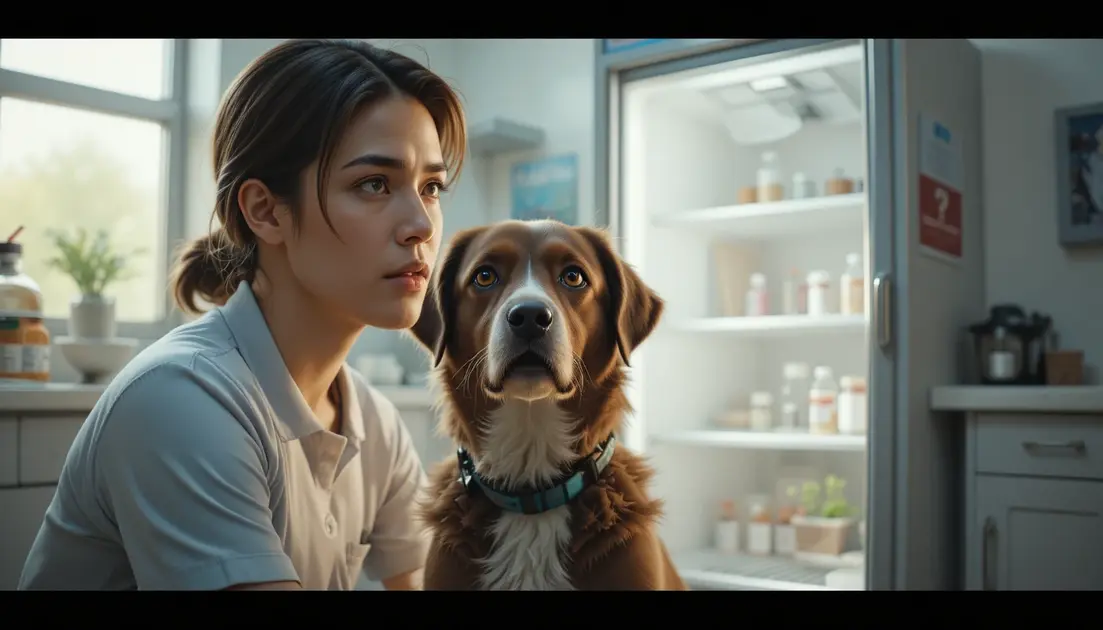
The current dog flu vaccine shortage stems from a highly concentrated supply chain. A small number of manufacturers produce these vaccines, meaning a single production disruption creates a national ripple effect. Two newer vaccines, TruCan Ultra (Elanco) and Nobivac NXT (Merck), reached the market in 2025 and were meant to ease pressure on supply, but manufacturing still hasn’t scaled to meet fall demand. Clinics are now forced to ration doses, often prioritizing dogs already in the middle of their required two-shot series.
Why Highly Social Dogs Face the Highest Risk
Canine influenza vaccination is what veterinarians call a “lifestyle vaccine,” recommended based on a dog’s actual exposure risk rather than given to every dog automatically. The AVMA specifically flags dogs that are boarded, attend daycare, visit dog parks, or travel with their owners as the dogs most likely to benefit. Those same pets face the tightest supply constraints right now. An infected dog can shed the virus for up to four weeks, seeding an outbreak before symptoms even appear.
Understanding Vaccine Efficacy Through a Daily Analogy
Many pet owners assume a vaccine acts like an impenetrable force field. When they hear that a vaccinated dog can still catch the flu, they feel the shot was useless. To understand how this vaccine actually works, think of it like a seatbelt in your car.
A seatbelt does not prevent a car crash. However, it drastically reduces the severity of the impact and keeps you from suffering fatal injuries. The canine influenza vaccine operates on the same principle. It will not necessarily prevent the initial infection from taking hold.
Reducing Severity and Viral Shedding
What the vaccine does is substantially reduce the severity and duration of the illness. A vaccinated dog that contracts the virus will experience much milder symptoms and recover significantly faster. Furthermore, vaccination reduces viral shedding, limiting how much virus an infected dog spreads to others in the environment. Veterinarians generally recommend viewing this shot as a critical risk-management tool, according to the AVMA.
Actionable Steps to Protect Your Dog Right Now
Waiting until you book a boarding facility to check on vaccine availability is a recipe for stress. Call your veterinary clinic today to assess your dog’s current status. Ask specific questions about their inventory, waitlist protocols, and whether they are prioritizing mid-series patients.
If your primary clinic is completely out of stock, contact neighboring practices immediately. Vaccine availability varies significantly by region. A nearby office may have received a fresh shipment that your regular vet missed. If your boarding or daycare facility requires proof of vaccination and your vet is out of stock, ask whether they can provide a signed letter explaining the shortage — many practices are now offering this as a temporary workaround facilities will accept in place of a fresh dose. Treat your dog’s environment as if an active outbreak is occurring.
Risk Assessment and Action Plan
Use this guide to determine your immediate next steps based on your dog’s current vaccination status and lifestyle.
| Vaccination Status | Immediate Action Required |
|---|---|
| Unvaccinated | Delay boarding; limit park visits; join vet waitlist. |
| One Dose Given | Secure second dose immediately; avoid daycares. |
| Fully Vaccinated | Maintain normal routine; monitor for symptoms. |
Monitoring Symptoms and Knowing When to Isolate
The emotional bond you share with your pet means you notice when something is wrong. Watch closely for persistent coughing (the most common sign, often lasting 10 to 21 days), sneezing, nasal discharge, a fever that can run 104-105°F, lethargy, and reduced appetite. If your dog exhibits these signs, isolate them immediately and call your vet before visiting a shared waiting room.
Isolation isn’t a quick, one-day precaution. The AVMA recommends keeping dogs with confirmed H3N2 infection away from other dogs for at least 21 days, and a full four weeks from the onset of illness is the safer standard for suspected cases or dogs with known exposure. If you need help setting up a comfortable, contained recovery space at home, our crate training guide covers how to make confinement low-stress for your dog.
Managing Severe Complications
While most healthy dogs recover within two to three weeks, secondary bacterial infections develop in an estimated 10-20 percent of infected dogs and can progress to pneumonia — particularly in older pets or those with underlying conditions. The overall case fatality rate is low, at roughly 1-5 percent, but early veterinary intervention is the most effective way to manage these complications and ensure a full recovery.
Hygiene Protocols at Home
The virus survives on surfaces like food bowls and leashes for up to 48 hours, on clothing for up to 24 hours, and on hands for up to 12 hours. Wash your hands after handling other dogs. Disinfect shared toys and water bowls daily using a veterinary-approved cleaner to break the chain of transmission.
Frequently Asked Questions
Can my dog still go to daycare during the dog flu vaccine shortage?
Yes, but limit their time there if they are not fully vaccinated. Always check the facility’s illness policies and keep your dog home if they show any symptoms like coughing or lethargy.
Will the vaccine completely prevent my dog from getting the flu?
No. According to the AVMA, the vaccine will not necessarily prevent infection. However, it substantially reduces the severity and duration of the illness, making it a critical tool for risk management.
How long does it take for the canine influenza vaccine to work?
The standard protocol requires two doses spaced two to four weeks apart, with revaccination within a year of the second dose and annual boosters after that. Most dogs aren’t considered fully protected until roughly two weeks after that second dose.
What should I do if my regular vet is out of the vaccine?
Contact nearby veterinary clinics immediately. Availability varies significantly by region and practice, so a neighboring clinic may still have supplies or be able to add you to their waitlist. Ask your own vet about a shortage letter in the meantime if a facility requires proof of vaccination.
Are there any new dog flu vaccines available in 2026?
Yes. TruCan Ultra (Elanco) and Nobivac NXT (Merck) both reached the market in 2025, giving vets two newer options beyond the older single-strain shots. TruCan Ultra is a bivalent vaccine covering both H3N2 and H3N8, while Nobivac NXT is a newer self-amplifying RNA vaccine targeting H3N2. Both require the same two-dose starting series, and neither has fully resolved the supply crunch on its own.
Conclusion
The dog flu vaccine shortage requires a shift in how pet owners manage their dogs’ social and medical care, and it’s still affecting clinics nationwide heading into fall 2026. Your dog is not entirely defenseless, but the strategy around timing and exposure must change immediately.
Start by contacting your veterinarian today to assess your dog’s current vaccination status. If they are due for a dose, get on a waitlist immediately. Monitor local outbreak alerts — our guide to the New World screwworm outbreak covers another active health threat worth watching this year — and strictly limit your dog’s exposure to crowded environments until they are fully protected.
Lean heavily on basic hygiene and isolation practices to fill the gap while manufacturers restore the supply chain. If you want to stay ahead of other emerging risks to multi-pet households, our breakdown of H5N1 bird flu transmission in cats covers similar precautions. By taking proactive steps and staying informed, you can effectively navigate this shortage and keep your pet safe. We invite you to share your experiences and questions with the PetsMirror community below.