



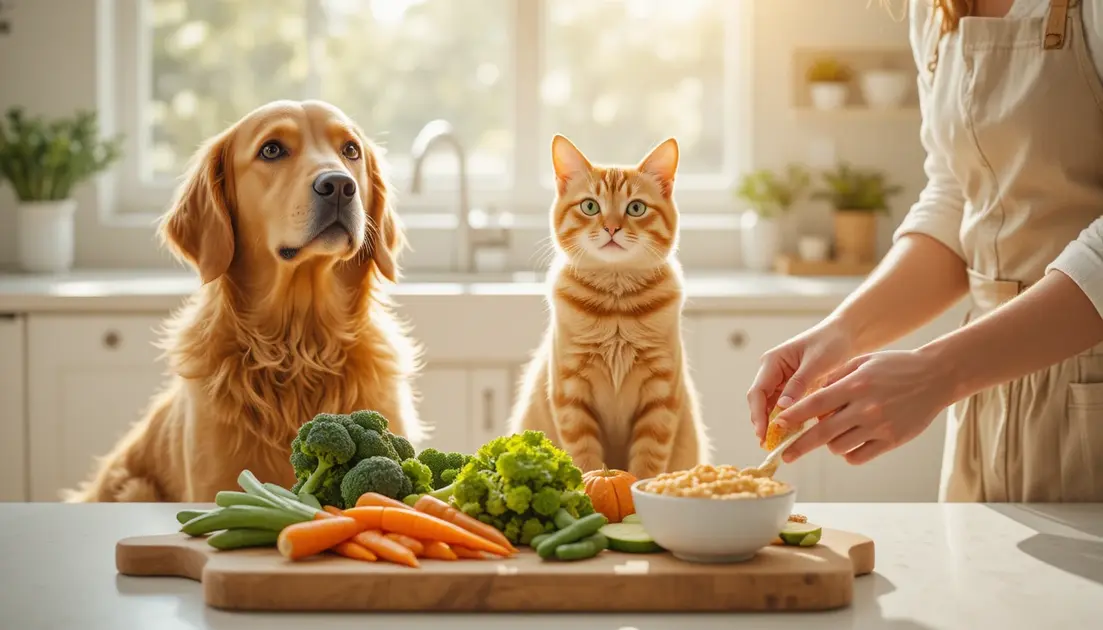
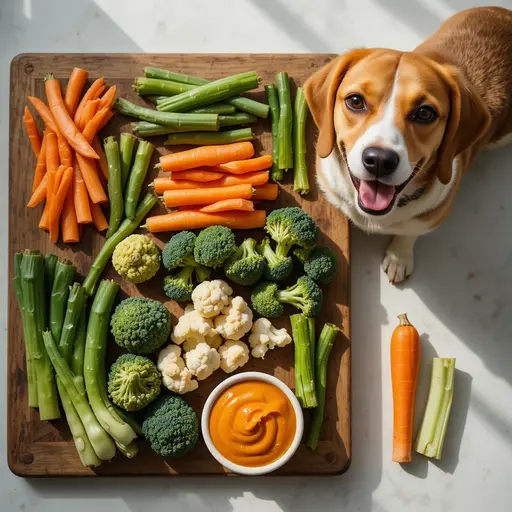
Vegetables Safe for Pets can be a healthy addition to your pet’s diet when chosen and prepared properly. Options like carrots, green beans, broccoli, cauliflower, celery, and cooked pumpkin offer safe, nutritious benefits for both dogs and cats. However, vegetables from the Allium family—such as onions, garlic, chives, and leeks—are toxic and can harm red blood cells, potentially leading to anemia. If your pet consumes any toxic vegetable, seek veterinary care immediately.
Risk level: Generally low for approved vegetables; moderate to severe for toxic varieties like onions and garlic. Always introduce new foods gradually and avoid adding seasonings, oils, or butter.
Key Takeaways
- Carrots, green beans, broccoli, cauliflower, celery, and plain cooked pumpkin are safe, vet-approved vegetables for both dogs and cats when served plain and unseasoned.
- Onions, garlic, chives, and leeks (the Allium family) are toxic to pets and can cause life-threatening anemia, even in powdered or cooked form.
- Vegetables should stay under 10% of your pet’s daily calories; they supplement a complete diet; they don’t replace it.
- Allium toxicity symptoms are often delayed by a day or more, so don’t wait for symptoms to appear before calling your vet if you know your pet got into onions or garlic.
- Cats are obligate carnivores and get far less nutritional benefit from vegetables than dogs do, so keep their portions minimal.
Safe Vegetables for Dogs and Cats
According to the ASPCA Animal Poison Control Center and veterinary nutritionists at Cornell University, the following vegetables are safe to share with pets when unseasoned and cut into small pieces:
| Vegetable | Preparation | Key Benefits | Notes |
|---|---|---|---|
| Carrots | Raw or steamed, cut into sticks or coins | Low-calorie, high fiber, vitamin A (beta-carotene) | Excellent dental chew alternative |
| Green Beans | Raw, steamed, or canned (no salt) | Low-calorie, vitamin C | Good for weight management |
| Broccoli | Raw or cooked (steamed) | Vitamins C and K, fiber | Keep under 10% of daily intake to avoid gastric irritation |
| Cauliflower | Raw or cooked | Low-calorie, hydration | May cause gas in large amounts |
| Celery | Raw, cut into small pieces | Low-calorie, vitamins | Remove fibrous strings first; they’re a choking hazard for small pets |
| Cooked Pumpkin | Plain canned pumpkin (not pie filling) | Digestive fiber helps with diarrhea/constipation | High in vitamin A; feed in moderation |
| Sweet Potato | Cooked, plain, no skin | Hydration, low-calorie | Never feed raw; high glycemic index |
| Cucumber | Raw, sliced | Low-calorie, vitamins | Remove seeds if concerned |
| Zucchini | Raw or cooked | Low-calorie, vitamins | High water content; introduce gradually, since raw zucchini can cause gas |
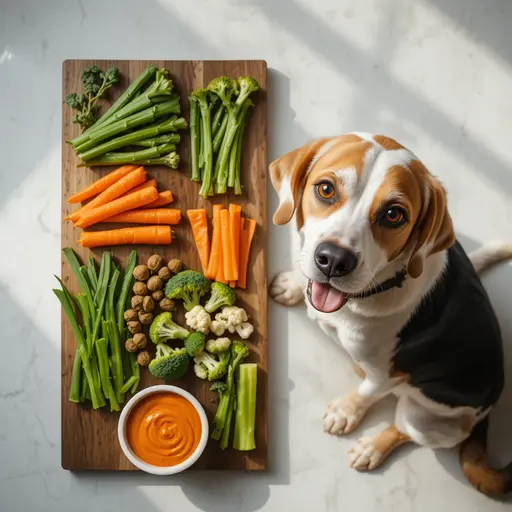
Dr. Joseph Wakshlag, clinical nutritionist at Cornell University Hospital for Animals, recommends adding fresh vegetables to your pet’s diet yourself rather than relying on commercial foods, where ingredients like these typically make up less than 1% of the formula.
Toxic Vegetables and Plants to Avoid
The following items are not safe for pets and can cause symptoms ranging from gastrointestinal upset to organ failure:
| Toxic Item | Toxic Component | Severity | Symptoms |
|---|---|---|---|
| Onions, Garlic, Chives, Leeks | Organosulfides (N-propyl disulfide) | Severe | Vomiting, diarrhea, weakness, pale gums, hemolytic anemia |
| Wild Mushrooms | Various toxins | Severe | Vomiting, seizures, liver/kidney failure |
| Rhubarb Leaves | Oxalic acid, anthraquinones | Moderate to Severe | Oral irritation, kidney failure |
| Unripe Tomatoes & Potato Plants | Solanine | Moderate | Vomiting, diarrhea, drooling, weakness, and in severe cases tremors or loss of coordination |
| Avocado | Persin | Mild to Moderate (severe in birds/rabbits) | Vomiting, diarrhea, and potential pancreatitis from the high fat content |
Allium Toxicity Details
Onions, garlic, and chives are members of the Allium species and can cause gastrointestinal irritation and red blood cell damage, leading to anemia. Cats are more susceptible than dogs, but dogs are also at risk depending on the amount ingested.
Toxicity can occur from raw, cooked, powdered, or dehydrated forms. Hidden sources include baby food, soups, and seasoned meats.
Toxicity Severity Scale
Use this scale to assess risk level if your pet ingests an unknown vegetable:
| Level | Description | Action Required |
|---|---|---|
| 1 – Minimal | May cause mild, self-limiting GI upset | Monitor at home; offer water |
| 2 – Mild | Likely to cause vomiting or diarrhea | Contact vet if symptoms persist >24 hours |
| 3 – Moderate | Can cause significant illness; veterinary treatment recommended | Call vet immediately |
| 4 – Severe | Potentially life-threatening; aggressive treatment needed | Emergency vet visit immediately |
| 5 – Critical | High risk of death even with small amounts | Emergency vet + poison control immediately |
Allium vegetables (onions, garlic) fall at Level 4 for cats and Level 3–4 for dogs, depending on dose.
Immediate Action Checklist
If you suspect your pet has eaten a toxic vegetable:
- Remove access to the remaining food or plant material immediately.
- Identify the substance—note the name, amount consumed, and time of ingestion.
- Call your veterinarian or the ASPCA Animal Poison Control Center.
- Do not induce vomiting unless specifically instructed by a veterinary professional.
- Bring packaging or a plant sample to the veterinary clinic for identification.
- Monitor symptoms including vomiting, diarrhea, lethargy, drooling, abnormal behavior, weakness, or seizures.
Symptoms Timeline
| Timeframe | What to Watch For |
|---|---|
| 0–30 minutes | Drooling, pawing at the mouth, or vomiting from direct oral/GI irritants (rhubarb oxalates, wild mushroom GI toxins) |
| 30 minutes–12 hours | Vomiting, diarrhea, lethargy, and abdominal pain—the most common early signs across Allium, mushroom, and solanine (tomato/potato plant) toxicity |
| 12–24 hours | Weakness and pale gums as early red blood cell damage begins (Allium species); fever and rapid heart rate as mushroom toxins spread (wild mushrooms) |
| 1–3 days | Progressing hemolytic anemia, dark urine, and increased heart rate (Allium species); acute kidney injury from calcium oxalate crystals (rhubarb) |
| 2–5 days | Peak anemia severity, sometimes requiring a blood transfusion (Allium species); liver and kidney failure in dogs that ate toxic wild mushroom species |
Safe Serving Guidelines
To safely incorporate vegetables into your pet’s diet:
- Treats should not exceed 5% of your pet’s daily caloric intake.
- Cut vegetables into small, bite-sized pieces to prevent choking.
- Serve plain—avoid butter, oil, salt, garlic, onion powder, or seasonings.
- Cook hard vegetables like sweet potatoes and pumpkin; raw versions can be difficult to digest.
- Introduce one new vegetable at a time to monitor for individual sensitivities.
- Avoid canned vegetables with added sodium; opt for fresh or frozen plain options.
Prevention Tips
- Store onions, garlic, and chives in sealed containers or high cabinets inaccessible to pets.
- Check ingredient labels on baby food, broths, and pre-seasoned meats before sharing with pets.
- Secure compost bins—decomposing vegetables and food scraps can harbor toxic mold or concentrated toxins.
- Educate household members about which “healthy” human foods are dangerous for pets.
- Keep the ASPCA Poison Control number saved in your phone for emergencies.
Frequently Asked Questions
Can dogs eat raw carrots?
Yes. Raw carrots are safe and make excellent low-calorie treats. Cut them into small pieces appropriate for your dog’s size to prevent choking.
Are tomatoes safe for pets?
Ripe tomatoes in small amounts are generally considered safe, but the plant itself and unripe (green) tomatoes contain solanine, which is toxic. It’s safest to avoid tomato plants entirely.
Can cats eat vegetables?
Cats are obligate carnivores and have less digestive capacity for plant matter than dogs, with different core nutrient needs—see our guide to essential nutrients for cats for the full picture. While small amounts of safe vegetables won’t harm them, vegetables should never replace meat-based protein in a cat’s diet.
Is cooked pumpkin good for pets with diarrhea?
Yes. Plain, canned pumpkin (not pumpkin pie filling) is high in soluble fiber and can help regulate both diarrhea and constipation in dogs and cats. Use 1–4 tablespoons, depending on the pet’s size.
What should I do if my dog ate onion powder?
Contact your veterinarian or poison control immediately. Onion powder is concentrated and more dangerous than fresh onion. Even small amounts can lead to hemolytic anemia, with symptoms that may be delayed for several days.
Conclusion
Vegetables can be a healthy, low-calorie addition to your pet’s diet when chosen and prepared correctly—our guide to choosing pet food covers how they fit into the bigger nutritional picture. Focus on vet-approved options like carrots, green beans, broccoli, and cooked pumpkin while strictly avoiding toxic Allium species like onions and garlic.
Always serve vegetables plain, in moderation, and as a complement to—not a replacement for—a complete, balanced pet food. By following these safety guidelines and keeping emergency resources handy, you can confidently share nutritious vegetables safe for pets without risking their health.