



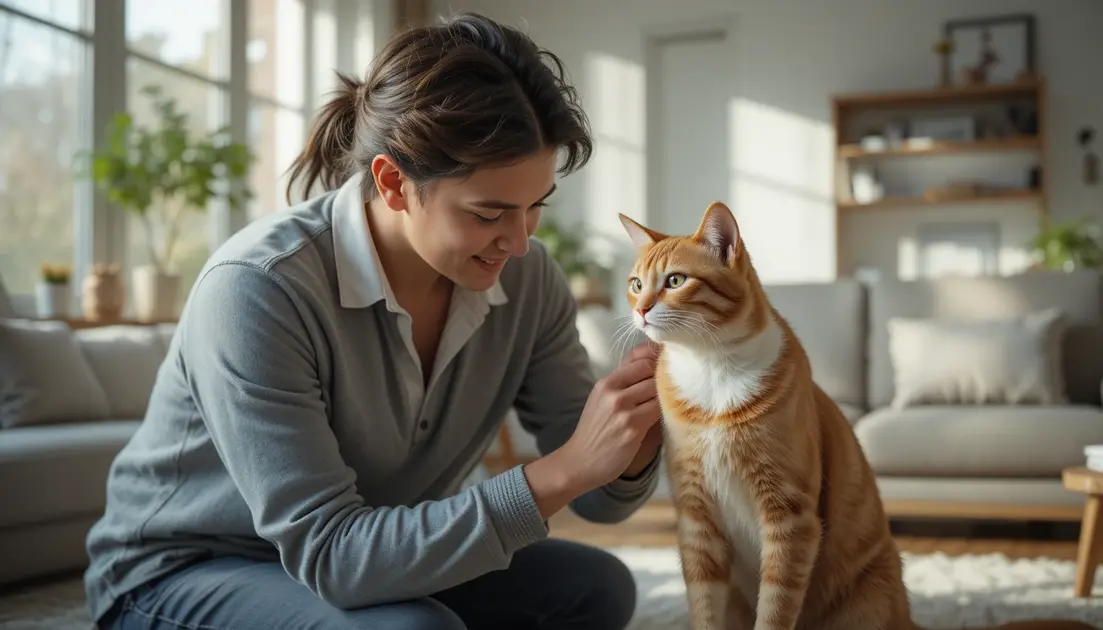
The CDC has officially confirmed the first documented case of H5N1 bird flu transmission from a cat to a human. This proves that domestic felines can pass the virus directly to their owners, marking a significant shift in our understanding of Cat Bird Flu Transmission risks.
This finding matters because it shifts part of the H5N1 risk picture from livestock and wild birds directly into our homes. It calls for a few practical safety adjustments from pet parents rather than panic. Understanding these risks is the first step toward protecting your household from this emerging zoonotic threat.
Key Takeaways
- The CDC confirmed the first documented case of H5N1 (bird flu) transmission from a cat to a human.
- An asymptomatic veterinary professional contracted H5N1 after handling an infected cat without proper protective equipment.
- The infected cats contracted the virus from consuming commercial raw milk and raw pet food.
- Standard PCR tests initially missed the human infection, highlighting the need for antibody testing.
- The specific H5N1 strain involved is clade 2.3.4.4b, genotype B3.13, matching most recent human infections nationwide.
- Pet owners should wash their hands thoroughly after cleaning litter boxes or caring for a sick pet.
- The overall public risk remains low, but households feeding raw diets — or living near affected dairy farms — face elevated risk.
- Immediate action involves stopping raw food diets and monitoring pets for respiratory or neurological symptoms.
- A September 2026 follow-up study found H5N1 antibodies in 1 of 4 cats tested near affected dairy farms, showing exposure risk isn’t limited to raw-fed households.
Background and Previous Assumptions
Before this CDC report, experts believed H5N1 only spread to humans through direct contact with infected poultry or dairy cattle. House pets were considered low-risk vectors for zoonotic disease spread.
Scientists monitored humans exposed to sick animals but never found definitive proof of feline-to-human H5N1 spread. This left many pet owners unaware of a hidden risk in their daily routines.
This is the first confirmed case involving H5N1 specifically — but it isn’t the first time a domestic cat has passed some strain of avian flu to a person. Back in 2016, two workers at a New York City animal shelter tested positive for a different avian flu strain, H7N2, after handling infected shelter cats. That earlier event predates the current H5N1 outbreak and involved a much milder virus, but it did establish that cats can act as a bridge for avian influenza under the right conditions.
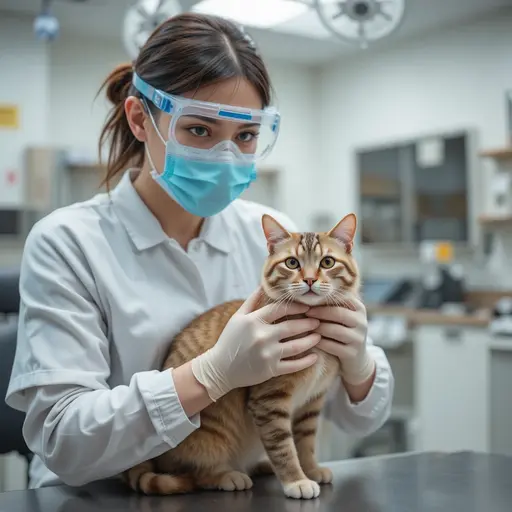
The scientific community had focused heavily on agricultural settings and live bird markets, and domestic environments were largely left out of early transmission models. Veterinary professionals routinely treated sick felines without specialized respiratory protection, relying on basic handwashing rather than full personal protective equipment. Public health guidance, as a result, didn’t carry specific warnings about feline companions, and pet owners continued normal care routines unaware of the potential danger.
Key Findings of the CDC Study
In late 2024, nineteen cats across five Los Angeles households fell severely ill after consuming raw milk or raw meat. Nine of these felines tested positive for H5N1.
Researchers monitored 139 people who had been exposed to the ill cats — pet owners, veterinary staff, and animal-control workers. Thirty reported flu-like symptoms, but none tested positive through standard PCR testing at the time. Several months later, health officials invited everyone who’d been exposed to take part in an antibody serosurvey. Of the 25 people who volunteered, one asymptomatic veterinary professional turned out to have H5N1-specific antibodies.
That veterinary worker had handled a sick cat 120 days earlier without protective equipment over their mouth or eyes, and never developed any flu-like symptoms. This confirmed the first documented case of H5N1 transmission from a cat to a human, showing that the virus can spread silently — and that felines can act as a direct bridge for the virus to reach people.
Expert and Scientific Perspectives
Veterinary and public health experts say this case shifts how they think about viral pathways. The infected veterinary worker showed zero symptoms, meaning the exposure would have gone entirely undetected without the follow-up antibody testing.
The CDC researchers behind the study were direct about the takeaway: the case is evidence of zoonotic H5N1 transmission from domestic cats to humans, and pet owners shouldn’t feed raw animal products to their cats. The American Veterinary Medical Association, which covered the findings for its members, echoed that guidance and reminded veterinary staff to use proper PPE around any cat with unexplained respiratory or neurological illness.
Officials maintain that the overall public risk remains low for the general population. In fact, the CDC folded its emergency H5N1 human health response into routine seasonal flu surveillance in April 2026, citing a sustained decline in new human cases. Most of the roughly 70 confirmed human H5N1 infections in the U.S. to date are still linked to livestock exposure, not cats.
Still, experts are clear that the localized risk for specific households — particularly those feeding raw diets or living near dairy operations affected by the virus — is now a proven reality, and they’re urging pet owners to adjust their daily care practices accordingly.

Practical Relevance for Pet Owners
This study directly affects how you should feed and handle your cat, especially if you use any unpasteurized products. The infected cats in the study contracted the virus specifically from commercial raw pet food.
Stop feeding raw milk, raw meat, or unpasteurized dairy to your cat immediately. Switching to cooked, pasteurized alternatives removes the primary route of feline infection identified in this study.
Keeping your cat indoors also prevents them from hunting wild birds or contacting contaminated droppings — a meaningfully different exposure route than diet, and one worth taking seriously even if you already feed commercial cooked food.
If your cat becomes ill with respiratory or neurological symptoms, call your vet before visiting the clinic and mention your concern about H5N1 so staff can prepare appropriate protective equipment ahead of your arrival.
Limitations and Unanswered Questions
While this study proves transmission is possible, researchers still can’t say how frequently cat-to-human H5N1 transmission actually occurs. The single confirmed human case was identified only through extensive, targeted follow-up testing months after the fact.
Scientists also don’t fully understand why just one of the 139 exposed people developed antibodies. Genetic factors or differing levels of viral exposure may play a role in individual susceptibility.
The study can’t confirm whether the virus could eventually adapt for sustained person-to-person spread, so continuous monitoring remains necessary to track its evolution and any pandemic risk. Researchers also note that the number of exposed humans studied was relatively small, and larger studies are needed to properly map transmission dynamics between pets and owners.
A newly published serosurvey, covered below, starts to answer a related question — not how often the virus jumps to humans, but how much silent exposure cats themselves may already have had.
What’s New: Cats Near Dairy Farms Show Significant Exposure
A study published in the CDC’s Emerging Infectious Diseases journal in September 2026 adds important context to the original case. Researchers tested domestic cats living near the epicenter of California’s 2024–2026 dairy cattle H5N1 outbreaks. Among cats sampled within about 1.2 miles of an affected dairy farm, 3 of 12 (25%) carried neutralizing antibodies against H5N1 — evidence of a past infection, even without a documented illness. Across all 73 cats tested, proximity to a dairy farm was a statistically significant risk factor for exposure.
The same research flagged a sobering detail: H5N1 infection in cats carries an estimated case-fatality rate of around 90%, and cats that do survive can be left with severe, lasting effects, including blindness, paralysis, and difficulty walking. Cats that never eat raw food can still be exposed simply by living near an affected dairy operation, likely through contact with sick rodents, birds, or a contaminated environment.
The practical takeaway builds on the original findings rather than replacing them: avoiding raw meat, raw milk, and unpasteurized dairy is still the single biggest risk reducer, but households near dairy or poultry operations should treat outdoor access as an additional risk factor, regardless of diet.
Frequently Asked Questions
Can my indoor cat get bird flu?
Indoor cats face a very low risk of contracting H5N1. The virus primarily spreads through contact with infected wild birds, raw meat, or unpasteurized dairy products — though cats living very close to an affected dairy farm may face some added risk even indoors, since the virus can also enter a home through people, other animals, or contaminated surfaces.
What are the symptoms of H5N1 in cats?
Infected cats may show fever, lethargy, loss of appetite, and red or inflamed eyes. Severe cases can progress rapidly to include difficulty breathing, tremors, or seizures, and some cats develop lasting neurological effects even if they survive.
Is it safe to feed my cat raw food right now?
Veterinarians strongly advise against feeding raw milk or raw meat while H5N1 circulates in wild birds and dairy cattle. Switching to a commercially cooked and pasteurized diet removes this specific infection route.
Should I wear a mask when handling my cat?
You don’t need a mask for routine care of a healthy cat. However, if your cat shows respiratory or neurological symptoms, wear gloves and a mask while contacting your vet, and let the clinic know ahead of time so staff can prepare.
Has the bird flu situation in cats gotten worse since the CDC report?
Not dramatically, but a September 2026 CDC study found meaningful undetected exposure in cats living near dairy farms, not just cats fed raw food. The CDC also folded its H5N1 human health response into routine flu surveillance in April 2026 after new human cases stayed low, so the overall public health risk assessment hasn’t changed. The safest approach is still to avoid raw pet food and raw dairy, and to limit your cat’s outdoor access if you live near a livestock operation.
Conclusion
The confirmed cat-to-human H5N1 transmission case is a scientific first that calls for practical action, not panic. Your cat can act as a bridge for the virus, but only under specific, preventable circumstances.
Eliminate raw foods from your cat’s diet, and consider extra caution around outdoor access if you live near an active bird flu outbreak. If your pet shows respiratory or neurological symptoms, contact your veterinarian immediately and mention your H5N1 concern before you arrive.
Regular veterinary check-ups remain essential for monitoring your pet’s overall health and catching early warning signs. Combining proactive dietary choices with vigilant symptom monitoring creates a safer environment for both your cat and your household.
Stay informed, consider transitioning your cat to an indoor-only lifestyle if you live in or near an outbreak area, and consult your vet to keep your household safe. Protecting your pet from exposure remains the most effective way to protect your entire family from this emerging zoonotic threat.