



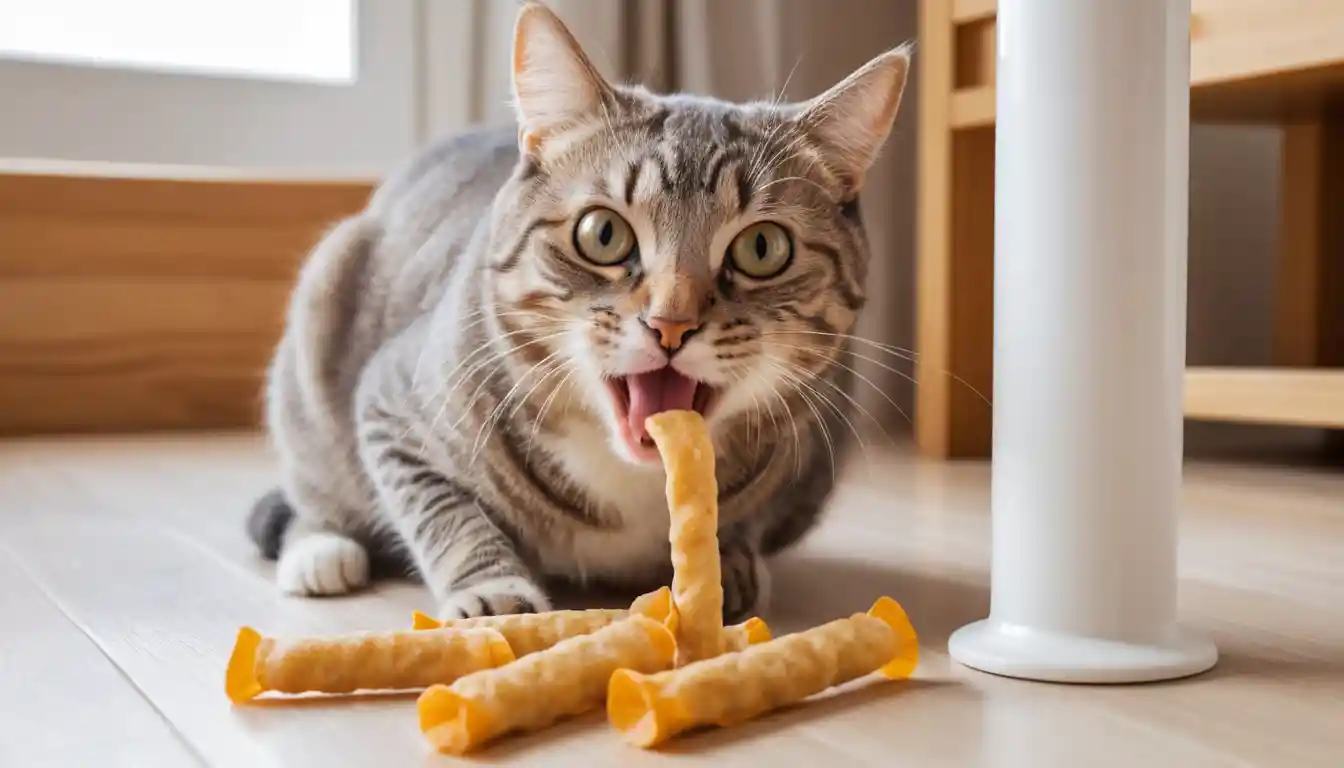
Churu cat treats deliver unmatched appeal for picky felines but aren’t a substitute for balanced nutrition. These lickable purée tubes from Inaba run 85-91% moisture depending on the line, with a single dominant protein per flavor that cats find hard to resist.
Key Takeaways
- Standard Churu Purée tubes are about 91% moisture and 6 calories each, one of the lowest-calorie treats on the market.
- Most current Churu Purée flavors are grain-free and carrageenan-free, though a few product lines (like Churu Bites) still use it. Always check the label on the specific item you buy
- Sodium runs around 0.38% on an as-fed basis for most Purée flavors, not dangerously high, but worth watching for cats with kidney or heart conditions.
- Churu Meal Toppers are the only line in the family that’s AAFCO complete and balanced; everything else is a supplemental treat, not a meal replacement.
- Per-ounce cost ranges from about $0.70 to $2.50, depending on pack size. Buying larger multi-packs cuts the price significantly.
Their simple formula, mostly water, a named meat, and a few functional additions like taurine, creates a sensory experience cats respond to instantly. They’re excellent for training, medication administration, and coaxing extra water into a dry-food eater, but they don’t replace complete meals. This review breaks down what’s actually in the tube, what it costs, and where Churu fits into a cat’s routine.
What Makes Churu Cat Treats So Irresistible to Cats?
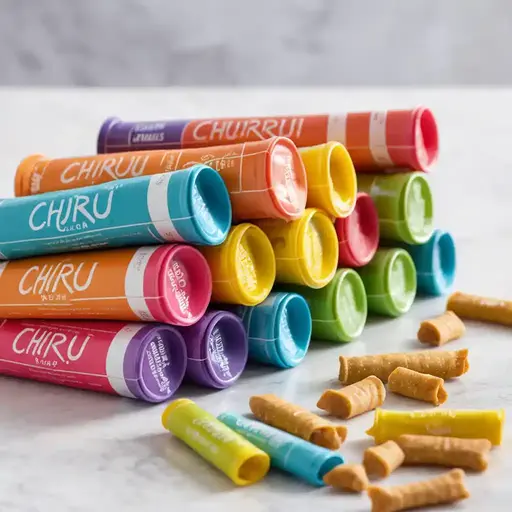
Churu treats have built a loyal following through a sensory profile that plays directly to feline instincts. Unlike crunchy alternatives, the soft purée format engages taste, smell, and texture at once, which explains why even picky eaters tend to respond enthusiastically.
The Texture Factor Cats Can’t Resist
The smooth, lickable consistency requires no chewing, which brings a few practical advantages:
- Mouthfeel appeal: No chewing needed, which helps senior cats or cats with dental issues
- Slow consumption: Licking extends the eating experience compared to a treat that’s gone in one bite
- Serving flexibility: Can be served straight from the tube, mixed into food, or offered on a finger
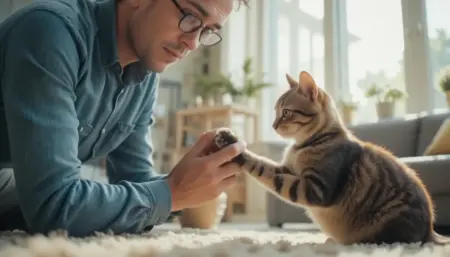
The lickable format also taps into a cat’s natural grooming behavior, which is part of why it works so well as a calming distraction during nail trims or vet visits.
Packaging That Enhances the Experience
The resealable tube design does more than hold the product:
- Portion control: Each tube is pre-measured, so there’s no guessing on serving size
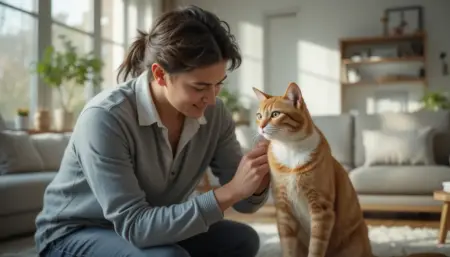
- Interactive feeding: Cats can lick directly from the tube or a finger, which many owners use as a bonding moment
- Less mess: Cleaner to serve than an open tray of wet food
Flavor Varieties That Target Feline Preferences
Churu’s flavor lineup centers on named proteins without unnecessary fillers:
- Chicken: The most widely used option; lean and highly digestible
- Tuna: Appeals to cats’ fish preferences, though it should be used in moderation due to the mercury content in any tuna-based treat fed frequently
- Salmon and other seafood blends: Rich, aromatic options for cats that prefer fish over poultry
- Kitten and senior formulas: Chicken- or tuna-based recipes with added calcium (kittens) or extra taurine and vitamins (seniors)
Most standard Churu Purée flavors skip artificial colors and flavors, which reduces the chance of adverse reactions while keeping palatability high.
Nutritional Profile: Benefits and Concerns of Churu Treats
Understanding what’s actually in a tube of cat treats helps you decide how often to use them. Churu treats excel at palatability and hydration, but their nutrient density is deliberately low; they’re built to be a supplement, not a meal.
Nutritional Highlights Worth Noting
- Up to 91% moisture: A real hydration boost, especially useful for cats that mostly eat dry food
- Single-source proteins: Most flavors name one primary meat, which helps owners manage food sensitivities
- Roughly 6 calories per standard 0.5-oz tube: Among the lowest-calorie treats sold for cats, though this varies by line (Churu Bites run closer to 13 calories per tube, and Meal Toppers around 11)
- Grain-free formulation: The Purée and Meal Topper lines contain no grains
The high water content is genuinely useful for urinary and kidney health, since cats are notoriously poor at drinking enough on their own. This is one of Churu’s strongest and most consistently supported selling points.
Sodium Content: What to Know
Sodium is the nutrient most worth watching. Inaba’s guaranteed analysis lists sodium at roughly 0.38% on an as-fed basis for most Purée flavors for a standard 0.5-oz (about 14g) tube, which works out to somewhere in the neighborhood of 50mg. That’s moderate, not extreme, but it adds up if a cat gets multiple tubes a day on top of a regular diet that already contains sodium.
- Healthy adult cats: Generally tolerate 1-2 tubes daily without issue as part of an otherwise balanced diet
- Cats with kidney disease or heart conditions: Should only get Churu with a veterinarian’s sign-off, since cumulative sodium intake matters more than any single treat
- Senior cats: Not automatically a problem, but worth discussing at a wellness visit if there are existing health concerns
If your cat has a diagnosed condition affecting sodium tolerance, don’t guess; ask your vet to review the specific flavor’s guaranteed analysis, since it can vary slightly between recipes.
Ingredient Analysis: What’s Really Inside
| Ingredient | Purpose | Consideration |
|---|---|---|
| Named meat (chicken, tuna, salmon, etc.) | Primary protein source | High-quality, clearly identified |
| Taurine | Essential amino acid | Added to support feline heart and eye health |
| Guar gum | Thickening agent | Common, well-tolerated food-grade thickener |
| Green tea extract | Antioxidant | Present in trace amounts too small to expect a measurable health effect |
| Natural flavors | Enhance palatability | Generally safe in small amounts |
One correction worth flagging: most current Churu Purée and Meal Topper recipes are formulated without carrageenan, according to Inaba’s own product listings. Carrageenan does still show up in some other lines in the Churu family, like the crunchy Churu Bites. If a cat has a sensitivity to it, check the ingredient panel on the exact product and flavor you’re buying rather than assuming based on the brand name alone.
Churu Cat Treats vs. Competitors: How Do They Stack Up?
Churu occupies a distinct niche with its purée format. Here’s how it compares to other common treat styles.
Texture Comparison: Puree vs. Crunchy Treats
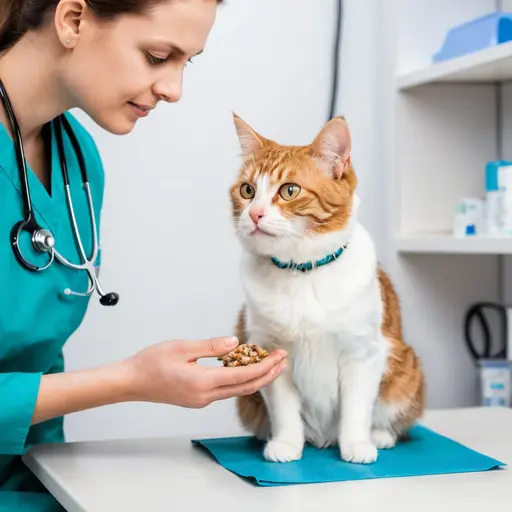
- Churu purée: Best for medication administration, training rewards, and hydration
- Crunchy treats (Temptations, Greenies, Pounce): Better for portion-controlled daily snacking; some, like Temptations, are formulated to be nutritionally complete if fed as a meal, and their crunch offers mild abrasive action against plaque, though they aren’t a substitute for actual dental chews or vet cleanings
- Freeze-dried meats (PureBites): Higher protein concentration per gram, minimal processing
The purée format wins when you need a cat to consume something completely and quickly, hiding a pill, for instance. Crunchy treats are the more practical everyday reward for cats without medical needs.
Price Analysis: Value Per Serving
Churu’s per-ounce price ranges from about $0.70 to $2.50, depending on pack size. Small 4-packs sit at the high end, while 48- or 72-count bulk packs bring the cost down substantially. Buying larger multi-packs is the easiest way to reduce the per-tube cost if a cat gets Churu regularly.
By comparison, crunchy treats like Temptations are priced per ounce at a fraction of Churu’s cost, largely because they’re shelf-stable and packaged in bulk rather than individually portioned. That price gap makes sense given the different jobs each format does: crunchy treats for daily portion-controlled snacking, Churu for the specific situations where its texture and palatability actually matter (medicating, coaxing a reluctant eater, bonding time).
Palatability
Veterinarians and owners widely regard Churu’s lickable purée format as one of the most palatable treat formats available, which is exactly why it’s so often recommended for picky eaters and for masking the taste of medication.
Exact acceptance-rate statistics vary between manufacturer marketing and independent reviews, so treat any specific percentage you see quoted with some skepticism. What matters in practice is that most cats respond strongly to it, including many that reject other treats outright.
5 Practical Uses for Churu Cat Treats Beyond Snacking
Medication Administration Made Simple
- Squeeze a small amount onto a clean surface or spoon
- Embed the pill completely within the purée
- Offer directly from your finger or the spoon
- Follow with a small amount more to make sure the pill goes down
The strong flavor helps mask bitter medications, and the sticky texture makes it harder for a cat to spit out a hidden pill than it would with a solid treat.
Training and Behavior Modification
- Litter box training: Reward immediately after proper use
- Clicker training: A fast, high-value reward for marking desired behavior
- Fear reduction: Useful during desensitization work with anxious cats
- Socialization: Helps ease introductions to new people or pets
The small serving size allows several repetitions during a training session without piling on calories.
Hydration Boost for Dry Food Eaters
Cats on mostly dry diets often run mildly dehydrated. A tube or two of Churu, mixed into food or offered on its own, adds meaningful moisture without adding many calories a genuinely useful tool for supporting urinary tract and kidney health over time.
Senior Cat Care Solutions
- Dental issues: No chewing required for cats with missing teeth or gum disease
- Appetite stimulation: A strong aroma can help tempt seniors with a diminished sense of smell
- Medication delivery: Same pill-hiding trick works well for older cats on daily medication
- Hydration support: Helpful for seniors prone to kidney or urinary issues
If an older cat’s appetite drops suddenly or persistently, that’s a reason to see a vet rather than relying on treats to compensate, but Churu can be a useful bridge while working with your vet on the underlying cause.
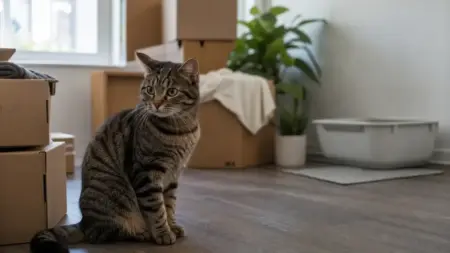
Introducing New Foods or Environments
- Rub a small amount around a new food bowl to build a positive association with a diet change
- Use inside or around a carrier to reduce travel anxiety
- Offer during introductions to new pets or family members
The strong positive association Churu creates can help ease a cat through changes that would otherwise cause stress.
Potential Downsides: When Churu Cat Treats Might Not Work
Cost Considerations for Budget-Conscious Owners
- Higher cost per calorie than crunchy or freeze-dried alternatives
- Fast depletion in multi-cat households
- Limited shelf life once a tube is opened
Ways to stretch the budget:
- Buy larger multi-packs to lower the per-ounce cost
- Reserve Churu for medication and training, and use less expensive treats like Pounce for everyday rewards
- Freeze unused portions in ice cube trays for later use
Not a Complete Nutritional Solution
Standard Churu Purée treats are not formulated to meet a cat’s full daily nutrient needs:
- Low protein density: The high moisture content means less protein by weight than a complete food
- No meaningful fiber: Not designed to support digestive regularity
- Limited vitamin and mineral fortification compared to a complete diet, except the Meal Topper line, which is AAFCO complete and balanced
Most veterinary guidance suggests keeping any treat, Churu included, to no more than about 10% of a cat’s daily calories. Given how low-calorie Churu is, that’s a generous allowance in practice, but it’s still not a reason to skip a proper meal.
Storage and Shelf Life Challenges
- Refrigerate after opening: Required once a tube is torn open
- Short post-opening window: Use within a few days once opened; check the specific product’s packaging for exact guidance, since it varies by line
- Not freezer-friendly for texture: Freezing changes the consistency, though some owners freeze portions anyway for slow, enrichment-style feeding on hot days
Churu Cat Treats Buying Guide
Understanding the Product Line Variations
Inaba has expanded the Churu name well beyond the original tube. Current lines include:
- Original and Grain-Free Purée tubes: The core lickable format, best for medication and training
- Meal Toppers: The only AAFCO complete-and-balanced line in the family safe to use more liberally since it’s formulated as food, not just a treat
- Bisque and Broth pouches: Larger side-dish portions for meal toppers or multi-cat households
- Churu Bites and Fun Bites: Soft-and-chewy, higher-calorie treats in a different format, check labels here specifically, since this is one of the lines that may still contain carrageenan
- Functional lines: Formulas targeted at hairball control, skin and coat, and senior cats
For most owners, the original or grain-free Purée tubes offer the best all-around versatility. If you want something you can feed more generously without worrying about the 10%-of-calories treat guideline, the Meal Topper line is the better fit.
Selecting the Right Protein Source
- Chicken: Best default for most cats; broadly well-tolerated
- Tuna: Fine occasionally, but rotate rather than making it a daily staple, given mercury accumulation concerns with any tuna-based product fed frequently
- Novel proteins (duck, when available): Useful for cats with known chicken sensitivities
- Salmon: Good omega-3 content, but a higher-risk choice for cats with fish allergies
If your cat has known food sensitivities, check with your veterinarian before introducing a new protein, and rotate flavors periodically rather than feeding the same one exclusively.
Size and Format Considerations
- Standard tubes: 0.5 oz, the default size for most lines
- Kitten-specific tubes: Same base recipe with added calcium and DHA for growth
- Value multi-packs: The most cost-effective option for multi-cat households
- Variety packs: A low-commitment way to find out which flavor your cat prefers before buying in bulk
Small-breed cats or kittens generally do fine with a standard 0.5-oz tube split across a day; larger or multiple cats may need more than one tube per reward.
FAQs
Are Churu cat treats healthy for daily feeding?
Standard Churu Purée treats aren’t a complete food, so they shouldn’t replace meals, but their low calorie count means light daily use (1-2 tubes) is fine for most healthy adult cats. If you want something you can feed more liberally, the AAFCO complete-and-balanced Meal Topper line is a better daily option. When in doubt about your specific cat, check with your veterinarian.
Can kittens eat Churu cat treats?
Yes, Inaba makes a kitten-specific Churu formula with added calcium and DHA to support growth. Use the kitten variety rather than the adult formula, follow the portion guidance on the package, and check with your veterinarian about the appropriate serving size for a kitten under six months.
Why are Churu cat treats more expensive than crunchy treats?
The individual tube packaging, the higher moisture and meat content, and the format itself all add cost compared to shelf-stable crunchy treats. Buying larger multi-packs (24-count and up) meaningfully lowers the per-ounce price if cost is a concern.
Do Churu cat treats contain carrageenan?
Most current Churu Purée and Meal Topper flavors are formulated without carrageenan, per Inaba’s own product listings. Some other lines in the family, like Churu Bites, may still contain it. If your cat has a sensitivity or you’re managing inflammatory bowel disease, check the ingredient list on the specific product and flavor before buying. Don’t assume based on the brand name alone.
How should I store opened Churu treats?
Refrigerate an opened tube and use it within the timeframe listed on the packaging. This varies somewhat by product line, so check the label rather than assuming a single rule applies across the whole Churu family. Discard anything showing changes in color, texture, or smell, and don’t leave an open tube at room temperature for more than a couple of hours.
Conclusion
Churu cat treats earn their popularity for specific jobs: medicating a reluctant cat, rewarding hard training, and adding hydration to a mostly-dry diet. They’re genuinely low in calories and, in most current formulations, free of carrageenan and artificial colors, an improvement worth knowing about if you last checked the ingredient list a few years ago.
What they aren’t is a replacement for a balanced diet, and their cost per ounce is real, especially in small packs. For most cats, 1-2 tubes a day fits comfortably within standard treat guidelines, with the Meal Topper line as an option if you want to feed something similar more generously.
As always, if your cat has a kidney, heart, or other condition where sodium or protein intake needs monitoring, run any regular treat Churu included by your veterinarian first.
A practical tip: buy a variety pack before committing to a bulk case, and freeze any tubes you won’t use within the recommended window to avoid waste.