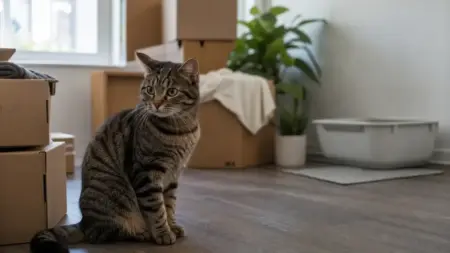






Bringing a kitten home is thrilling, but the success of that first adventure hinges on how well you set the stage. How to Prepare Your Home for a New Cat starts with a secure safe room, kitten-proofing the entire house, gathering the right supplies, and building a predictable daily routine from day one. Follow this guide for a stress-free transition that keeps your new feline happy and healthy.”
Key Takeaways
- Set up a small safe room first (litter box, food, water, bedding, hiding spot) before letting your kitten explore the rest of the house.
- Kitten-proof every room your cat can reach — toxic plants, loose cords, and small swallowable objects cause the most emergency vet visits.
- Kittens need 16–20 hours of sleep a day, so build rest periods into the daily routine, not just meals and play.
- Introductions to other pets and family members go faster when they’re staged slowly: scent first, then sight, then supervised contact.
- National Kitten Day falls on July 10 each year — a good annual reminder to check that your home is still kitten-safe as your cat grows.
Why Preparing Your Home for a New Cat Is Essential
Preparing your home for a new cat isn’t just a to-do list; it’s the foundation for safety, comfort, and lifelong health. A thoughtfully arranged environment lowers stress hormones, reduces accidents, and encourages positive habits from day one.
Below are three core reasons why preparation matters.
- Safety first – Unsecured windows, toxic plants, and loose cords are life-threatening hazards that can be eliminated with a few simple steps.
- Comfort and stress reduction – A quiet, dedicated space gives a kitten a sense of security, lowering cortisol levels and preventing urinary or behavioral problems.
- Long-term health benefits – Proper nutrition, litter placement, and enrichment built into the home help prevent obesity, arthritis, and anxiety later in life.
Understanding a Kitten’s Basic Needs
A kitten is a tiny, energetic predator with specific physical, behavioral, and emotional requirements. Recognizing these needs makes it easier to prepare your home for a new cat in a way that respects its instincts.
Physical Needs
- Nutrition – High-protein kitten food for growth and a steady supply of fresh water.
- Rest – 16–20 hours of sleep daily; a soft, insulated bed or a covered box works best.
- Litter – A low-sided, unscented box placed in a quiet area; kittens instinctively dig and cover waste.
Behavioral Needs
- Climbing – Vertical space, such as cat trees, shelves, or window perches, lets kittens survey their territory.
- Scratching – Sisal-wrapped posts or cardboard pads satisfy claw maintenance and territory marking.
- Hunting play – Interactive toys (feather wands, laser pointers, puzzle feeders) channel predatory instincts and keep the brain sharp.
Emotional Needs
- Security – A “safe room” where the kitten can retreat without being disturbed.
- Scent familiarity – Rubbing a soft cloth on the kitten’s cheeks and placing it around the home helps spread comforting pheromones.
- Routine – Predictable feeding, play, and grooming times lower anxiety and build trust.
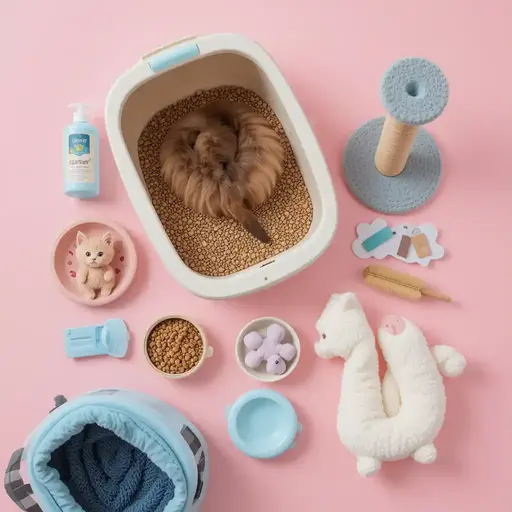
How to Prepare Your Home for a New Cat: Kitten-Proofing Checklist
Now that you know a kitten’s fundamentals, let’s tackle the practical side of preparing your home for a new cat.
The checklist below walks you through each room, focusing on toxin removal, structural safety, and habit-forming design. For a deeper, room-by-room walkthrough that also covers puppy-proofing if you have a dog too, see our full pet-safe home checklist.
Removing Toxins and Hazardous Items
- Plants – Eliminate lilies, philodendrons, pothos, and sago palms; replace them with spider plants or cat-grass.
- Household chemicals – Store cleaning agents, detergents, and pet medications in locked cabinets; never leave bowls of antifreeze or gasoline within reach.
- Small objects – Gather loose buttons, rubber bands, hair ties, and jewelry; they pose choking or intestinal blockage risks.
Securing Windows, Balconies, and Elevated Areas
- Install sturdy screens on every window, checking for gaps that a curious kitten could squeeze through.
- Add balcony barriers – vertical lattice, plexiglass panels, or a dedicated “catio” keep kittens from leaping over railings.
- Cord safety – Use cord organizers or double-sided tape to keep blind cords and charger cables out of reach.
Top 10 Hazards to Remove
| # | Hazard | Why It’s Dangerous | Quick Fix |
|---|---|---|---|
| 1 | Toxic plants (e.g., lilies) | Liver failure, kidney damage | Replace with cat-safe foliage |
| 2 | Unscreened windows | Falls from height | Install mesh screens |
| 3 | Loose electrical cords | Chewing → electrocution | Hide with cord protectors |
| 4 | Small ingestible items (coins, paper clips) | Choking or GI blockage | Store in sealed containers |
| 5 | Open cabinets with cleaners | Ingestion → poisoning | Use child-proof locks |
| 6 | String-like items (yarn, tinsel) | Intestinal blockage | Keep in drawers |
| 7 | Open toilet lids | Drowning risk for small kittens | Keep lids closed, or add a childproof toilet lock |
| 8 | Plastic bags | Suffocation | Dispose immediately |
| 9 | Hot appliances (ovens, space heaters) | Burns | Turn off and supervise |
| 10 | Unvetted houseplants | Unknown toxicity | Verify with the ASPCA database |
Tailored Proofing for Different Home Types
| Home Type | Typical Challenge | Targeted Solution |
|---|---|---|
| High-rise apartment | Balcony falls & limited outdoor space | Install secure balcony netting or plexiglass panels, keep window screens locked in place, and add vertical climbing furniture indoors to replace the missing outdoor space. |
| Suburban house with yard | Outdoor predators & roaming | Secure the fence line, use a fully enclosed litter box, and supervise all outdoor time until your kitten is confidently microchipped and collar-trained. |
| Room-only living (studio) | Lack of vertical space | Use wall-mounted shelves and a compact multi-level cat tree to add territory without eating up floor space, and keep the litter box and food/water bowls at opposite ends of the room. |
| Family home with children | Rough handling & accidental ingestion | Teach kids the “gentle touch” technique, keep small toys in high bins out of paw and hand reach, and use child-proof locks on low cabinets. |
By systematically addressing each of these items, you’ll eliminate most preventable accidents before they happen.
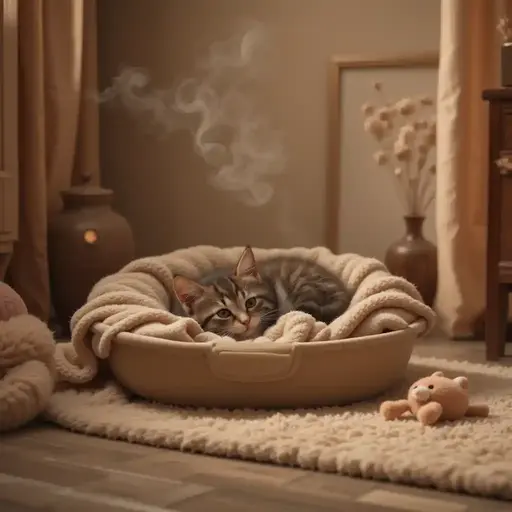
Setting Up a Safe Room
A “safe room” acts as a launchpad for confidence, allowing your kitten to explore the rest of the house at its own pace. Here’s how to create a calm sanctuary that meets every basic need.
Essentials for the Safe Room
- Litter box – Low-sided, unscented, placed away from food and water.
- Food & water bowls – Shallow, wide, stainless steel or ceramic to avoid whisker fatigue.
- Cozy bedding – A plush blanket or a covered cat bed; a cardboard box works as a perfect hideaway.
- Interactive toys – Feather wand, crinkle mouse, or treat-puzzle to encourage gentle play.
- Scratching post – A short sisal post placed near the resting area.
- Carrier – Open the carrier inside the safe room so the kitten can explore it voluntarily.
Step-by-Step Safe-Room Timeline
| Day | Action | Goal |
|---|---|---|
| Day 1 | Spend 10-15 minutes inside the room, offering a calm voice and gentle petting. Introduce a short play session. | Provide immediate necessities and a controlled environment. |
| Day 2-3 | Continue 10-15 minute visits with calm voice and gentle petting, plus a short play session. | Begin building trust and positive association with human presence. |
| Day 4-5 | Place a few safe household items (a rolled towel, a low shelf) inside to encourage exploration beyond the box. | Expand the kitten’s comfort zone gradually. |
| Day 6-7 | Open the door partially; allow the kitten to sniff the adjoining hallway while you supervise. | Transition toward a full-home introduction. |
| Week 2+ | Rotate the kitten into other rooms for short, supervised periods, always returning to the safe room for rest. | Foster confidence while maintaining a secure fallback. |
Most kittens are confident enough to start exploring beyond the safe room within 7-10 days. Many owners still keep it set up as a “home base” — a place to eat, use the litter box, and sleep — for the first 2-3 weeks, even after the rest of the house has opened up.
Essential Supplies for Your New Kitten
Equipping your home with the right tools removes guesswork and streamlines the adjustment period. Below is a concise checklist with purpose-driven tips, including eco-friendly alternatives.
| Supply | Primary Purpose | Choosing Tips |
|---|---|---|
| Litter box | Hygiene & waste management | Low-sided, stainless steel or ceramic; avoid plastic boxes that retain odors. An automated option like the Litter-Robot 4 can cut scooping time once your kitten is used to a standard box. |
| Unscented clumping litter | Easy cleanup & odor control | Corn- or wheat-based biodegradable litter is eco-friendly. |
| Food & water bowls | Nutrition & hydration | Stainless steel or ceramic; shallow bowls prevent whisker fatigue. |
| Kitten-specific food | Growth, immunity & energy | Look for ≥30% protein, first ingredient meat, no fillers. |
| Bed/Hideaway | Rest & security | Washable, soft fabrics; a covered igloo mimics a den. |
| Scratching post | Claw maintenance & territory marking | Sisal-wrapped, tall enough for a full stretch. |
| Interactive toys | Mental stimulation & hunting instinct | Feather wands, laser pointers, treat puzzles; rotate weekly. |
| Grooming tools | Coat health & bonding | Soft-bristle brush for short hair; rubber mitt for kittens. |
| Carrier | Safe transport to vet & emergencies | Hard-sided with mesh windows; leave it open at home to acclimate. |
| Feline-pheromone diffuser | Stress reduction | Plug in Feliway or a similar product to mimic the mother cat scent. |
Budget-friendly hacks:

- Repurpose a laundry basket lined with a blanket as a bed.
- DIY a scratching post using a wooden dowel wrapped in sisal rope.
- Use a clean, empty tuna can as a treat-dispenser puzzle.
Establishing Daily Routines
Cats thrive on consistency. Mapping a predictable schedule for feeding, play, and hygiene reduces anxiety and encourages healthy habits.
Below is a sample daily routine that can be tweaked to suit your lifestyle.
Sample 24-Hour Kitten Schedule
| Time | Activity | Why It Matters |
|---|---|---|
| 06:30 – 07:00 | Fresh water & first small meal | Kick-starts metabolism; maintains hydration. |
| 07:30 – 08:00 | Morning play (10-15 min) | Burns excess energy, mimics natural hunting. |
| 08:30 – 12:00 | Rest time (quiet nap) | Supports growth; 16-20 hrs of sleep needed. |
| 12:00 – 12:30 | Midday meal & litter box check | Keeps digestive system regular. |
| 13:00 – 14:00 | Interactive enrichment (puzzle toy) | Mental stimulation prevents boredom. |
| 15:00 – 16:30 | Grooming & gentle petting | Bonding, coat health, and early handling tolerance. |
| 18:00 – 18:30 | Evening meal & litter box clean | Reinforces routine; prevents accidents. |
| 19:00 – 20:00 | Play session + wind-down cuddle | Exhausts kitten, promotes calm bedtime. |
| 21:00 – 22:00 | Final water refresh & night-time safe room check | Ensures safety before sleep. |
Routine Tips for Success
- Consistent feeding times keep blood sugar stable and reduce begging.
- Litter box scooping at least once daily prevents aversion.
- Short, frequent play (5-15 min) channels predatory drives without overexertion.
- Gentle handling during grooming builds trust early, making vet visits easier.
A repeatable schedule like this one promotes health, happiness, and harmony as your kitten settles in.
Introducing Your Kitten to Other Pets and Family Members
A smooth introduction protects both the newcomer and existing residents. Carefully staged exposure reduces territorial aggression and builds lasting bonds.
Step-by-Step Integration Plan
- Scent swapping – Exchange bedding or a soft cloth between the kitten and each resident pet for 24 hours.
- Visual introduction – Use a baby gate or cracked door to allow sight without direct contact; watch each animal’s posture, ears, and tail for signs of tension or curiosity.
- Supervised physical meeting – Keep dogs on a leash and cats in a carrier or on a high perch; reward calm behavior with treats.
- Gradual free-range – Allow short, supervised roaming periods, increasing time as confidence grows.
Introducing the Kitten to Dogs
- Pre-training – Teach “Sit,” “Stay,” and “Leave it” commands before any encounter.
- Controlled greetings – Keep the kitten in a carrier; let the dog sniff the carrier while you reward calmness.
- Safe retreat – Ensure the kitten always has an elevated escape (cat tree, shelf) out of the dog’s reach.
Introducing the Kitten to Existing Cats
- Separate resources – Provide multiple litter boxes (one per cat + 1 extra) and feeding stations in different rooms.
- Vertical territory – Install extra cat trees and wall-mounted perches to reduce competition.
- Short, frequent sessions – Begin with 5-minute visual meetings, extending as tolerance improves.
If your household already has an adult cat, this process deserves its own dedicated plan. Our full guide on how to introduce a new kitten to an older cat walks through the scent-swap, visual, and supervised-meeting stages in much more depth, including a troubleshooting section for persistent hissing or play aggression.
Introducing the Kitten to Children
- Teach gentle handling – Show kids the “soft pet” technique: open palm, slow strokes under the chin.
- Set boundaries – No chasing, pulling tails, or loud yelling; create a “quiet zone” for the kitten.
- Supervise – Always watch interactions until the kitten signals comfort (purring, kneading).
Signs of Successful Integration
- The kitten voluntarily explores common areas without hiding.
- No persistent hissing, growling, or swatting between animals.
- All pets eat, drink, and use the litter box normally.

Managing Common Challenges After Moving In
Even with perfect preparation, hiccups happen. Below are quick fixes for the most frequent post-arrival issues.
Shy or Anxious Kitten
- Create high-ground escape routes (cat trees, shelves).
- Use pheromone diffusers (Feliway) to calm nerves.
- Offer high-value treats near the safe room to encourage voluntary exploration.
Litter Box Problems
- Location check – Ensure the box isn’t near food, noisy appliances, or high-traffic zones.
- Box size – A kitten needs a box large enough to turn around; upgrade as it grows.
- Litter type – Some kittens dislike scented litter; switch to unscented, fine-grain options.
If accidents continue past the first week or two, stress rather than a dirty box is often the real cause. Our guide to fixing litter box avoidance after a move covers the same territorial-stress mechanics that affect a brand-new kitten in an unfamiliar home, plus a recovery timeline and warning signs that mean it’s time to call the vet.
Scratching and Biting
- Redirect – Keep a scratching post within arm’s reach of any furniture the kitten targets; reward use with treats.
- End play biting – Stop the game immediately, say “No,” and calmly offer an appropriate toy instead so the kitten learns what’s okay to bite.
- Provide ample play – Two 10-minute sessions daily tire out predatory drives, reducing aggression.
Stress-Induced Urinary Issues
- Hydration boost – Add a shallow water fountain to encourage drinking.
- Stress-free environment – Keep noise levels low; use white-noise machines if the household is busy.
- Veterinary check – If accidents persist after 48 hours, consult a vet for a possible urinary tract infection.
First Veterinary Visit
The first vet appointment sets the health baseline and gives you a roadmap for preventive care. Preparing your home for a new cat includes planning this essential step.
What to Expect
| Step | Description | Owner Prep |
|---|---|---|
| Health exam | Physical check, weight, heart/lung sounds | Ask about the schedule for boosters. |
| Vaccinations | Core vaccines: FVRCP (feline viral rhinotracheitis, calicivirus, panleukopenia), rabies, and — per current AAHA/AAFP feline vaccination guidelines — feline leukemia (FeLV) for kittens under one year | Bring any prior vaccination records if your kitten came from a shelter or breeder. |
| Parasite control | Flea, tick, and worm prevention | Discuss monthly vs. topical options. |
| Microchipping | Permanent ID under skin | Verify pet-insurance details. |
| Nutrition counseling | Ideal diet for age & breed | Bring a sample of the current food if switching. |
FVRCP typically starts at 6-8 weeks with boosters every 3-4 weeks until at least 16 weeks old, and rabies is given once your kitten is 12 weeks or older — but your vet will confirm the exact timing for your kitten and your local rabies laws, since requirements vary. See the AAHA/AAFP Feline Vaccination Guidelines for the full schedule.
Home Preparation for Vet Day
- Familiarize the carrier – Place a soft blanket inside and leave the carrier open in the safe room a few days prior.
- Practice handling – Gently touch the kitten’s paws, ears, and mouth to acclimate it to vet-exam maneuvers.
- Create a calm environment – Use a pheromone diffuser in the carrier area and keep background noise low.
A smooth first vet visit reinforces the confidence you’ve built into the home, completing the circle of preparing your home for a new cat, from shelter to veterinarian.
Celebrating National Kitten Day with Your New Cat
National Kitten Day falls on July 10 each year — a fitting occasion to showcase the safe, loving environment you’ve created. Here are fun, low-stress ideas that also spread awareness.
- #SafeSpaceSelfie Challenge – Photograph the kitten’s favorite hideaway or newly installed cat tree. Tag local shelters and use #NationalKittenDay to inspire others.
- Donate supplies – Gift an extra litter box, a set of toys, or a carrier to a nearby rescue; your surplus can boost adoption success rates.
- Interactive play marathon – Set aside an hour for a “hunt-the-laser” session, then finish with a cuddle on the safe room bed.
- Kitten-care workshop – Host a short virtual webinar for friends and family, covering the basics of preparing a home for a new cat.
Celebrating the day reinforces responsible pet ownership while giving your new companion extra love and enrichment.
FAQs
How long should a kitten stay in the safe room?
Most kittens are confident enough to start exploring beyond the safe room within 7-10 days. Many owners keep it as the kitten’s home base — a place to eat, use the litter box, and sleep — for the first 2-3 weeks total. Extend the timeline if the kitten still shows signs of fear or stress.
Can I use a regular cat litter for my kitten?
Yes, as long as it’s unscented, clumping, and low-dust. Avoid scented or crystal litters that can irritate a kitten’s delicate respiratory system.
My kitten chews cords—what’s the best prevention?
Cover cords with protective tubing, secure loose wires behind furniture, and spray a cat-safe bitter deterrent on them.
How often should I clean the litter box?
Scoop daily and completely change the litter every 1-2 weeks. Maintaining cleanliness prevents aversion and reduces odor.
When is the right time to introduce a dog to my new kitten?
Begin scent swapping a day before the first visual introduction, and keep early meetings under 10 minutes, gradually lengthening as both animals stay calm.
Do these tips apply if I’m adopting an adult cat instead of a kitten?
Yes. The safe room, kitten-proofing checklist, and supply list all apply the same way. Adult cats usually need less constant supervision than kittens, but they still benefit from the same slow, staged introduction to a new home and to any resident pets.
Conclusion
Preparing your home for a new cat is a blend of safety checks, thoughtful enrichment, and consistent routines that together foster trust and health. By kitten-proofing every room, setting up a dedicated safe space, gathering the right supplies, planning daily schedules, and easing introductions to other pets, you set your new cat up for a genuinely stress-free start. Start today, and watch your new companion flourish in a home built just for them.