




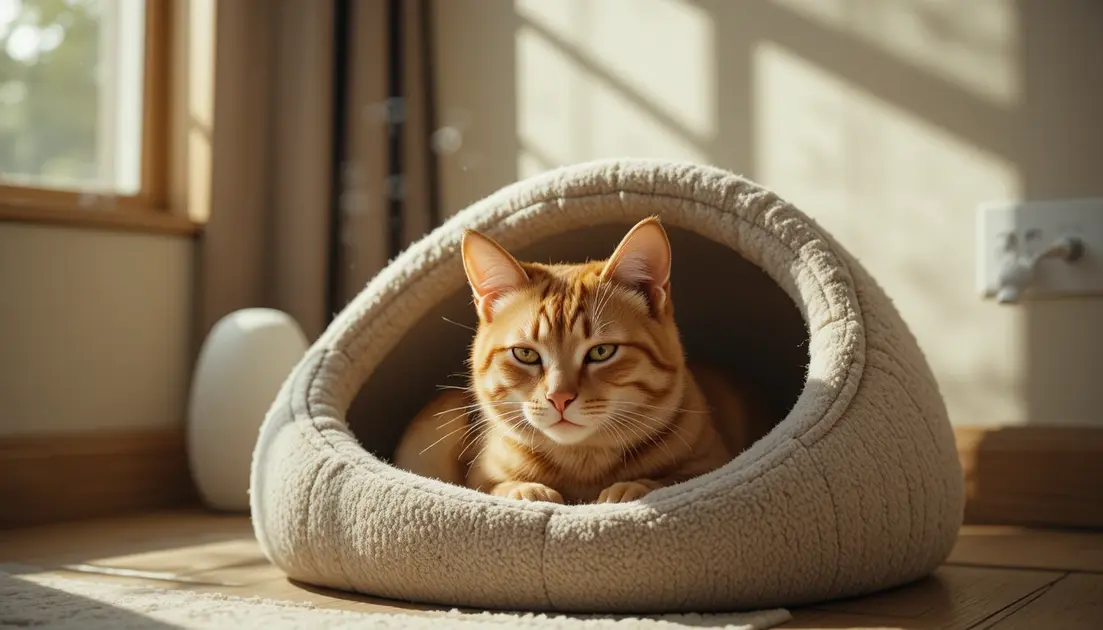
Recognizing cat anxiety symptoms like hiding requires immediate action. Effective solutions range from $20 DIY setups to $60 pheromone systems. Mild cases respond to routine adjustments, but severe distress needs veterinary intervention immediately. Ignore sudden behavior changes at your peril. Early identification prevents escalation.
Safety is high for pheromones, but medical causes must be ruled out first. Use this decision guide to choose safe, budget-friendly interventions quickly. Always prioritize veterinary advice for persistent issues.
Seeing your feline friend in distress is unsettling. Cats are masters at masking pain and emotion, so when signs of stress appear, the situation often requires prompt attention.
Whether you are dealing with a new environment, a household change, or unexplained behavioral shifts, understanding the root cause is critical. This guide provides a clinical yet accessible pathway to managing feline stress, focusing on safety, cost, and effective decision-making.
Key Takeaways
- Cat anxiety often shows up as hiding, over-grooming, or sudden aggression; catch it early before it escalates into house-soiling or self-injury.
- Red flags like open-mouthed breathing, straining to urinate, or refusing food for 24+ hours need a same-day vet visit, not a home remedy.
- Pheromone diffusers are very safe for cats when used as directed, but the liquid refill itself can be a genuine hazard if a cat chews into it and swallows the liquid.
- Budget-friendly environmental changes, like vertical space and one litter box per cat plus one extra, often help as much as products, and cost nothing ongoing.
- If a mild-to-moderate case doesn’t improve within 14 days of pheromones and enrichment, that’s the signal to loop in your veterinarian rather than escalate products on your own.
Recognizing Cat Anxiety Symptoms: Immediate Intervention
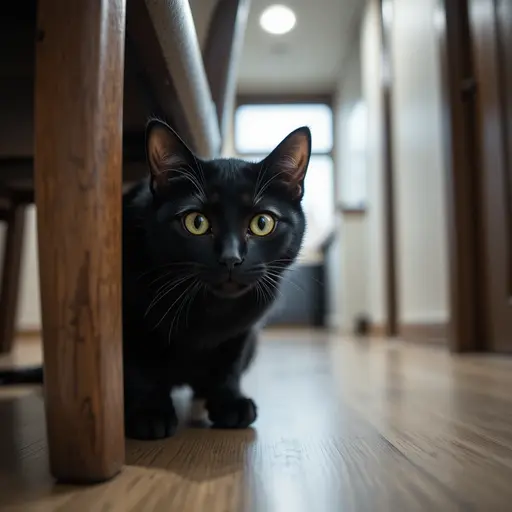
When a cat enters a state of behavioral crisis, time is of the essence. You must distinguish between normal adjustment periods and genuine distress. Cat anxiety symptoms often manifest subtly before escalating into obvious aggression or withdrawal.
Immediate Intervention Steps
If you observe acute signs of panic, follow these steps immediately:
- Isolate Safely: Provide a quiet, dimly lit room with food, water, and a litter box.
- Reduce Stimuli: Turn off loud music, televisions, and limit human traffic.
- Do Not Force Interaction: Allow the cat to hide. Forcing contact increases cortisol levels.
- Monitor Breathing: Ensure breathing is not labored or open-mouthed, which indicates a medical emergency.
Common Mistakes to Avoid
- Punishment: Never scold an anxious cat. This worsens fear and aggression; reward calm behavior instead with positive reinforcement rather than correcting the anxious behavior directly.
- Overcrowding: Do not introduce new pets or guests during a crisis.
- Ignoring Medical Signs: Assuming all behavior is psychological can miss underlying pain.
Red-Flag Symptoms
Contact a veterinarian immediately if you observe:
- Open-mouthed breathing or panting.
- Inability to urinate (especially in males).
- Sudden aggression toward familiar owners.
- Refusal to eat for more than 24 hours.
- Excessive grooming leading to bald spots or sores.
Possible Causes and Medical Rule-Outs
Before implementing behavioral fixes, you must understand the “Possible Causes.” Anxiety is rarely spontaneous; it is usually a reaction to a stimulus or an internal imbalance.
- Environmental Changes: Moving furniture, new pets, or construction noise.
- Medical Pain: Arthritis, dental disease, or urinary tract infections often present as irritability.
- Cognitive Decline: Older cats may experience Feline Cognitive Dysfunction, a condition similar to dementia, which often shows up alongside other common senior-cat health issues like joint pain.
- Resource Guarding: Competition for food, feeding stations, or litter boxes in multi-cat homes.
When to Call the Vet Immediately
If your cat displays cat anxiety symptoms accompanied by vomiting, lethargy, or hiding for more than 24 hours, seek professional care. Sudden behavioral changes in older cats are medical until proven otherwise. A full blood panel and physical exam are necessary to rule out hyperthyroidism or hypertension.
Decision Framework for Anxious Cats
Choosing the right intervention requires a structured approach. Use this decision-making framework to assess risk versus benefit.
Scenario Breakdown
- Scenario A: New Kitten/Cat. Expect mild hiding for 3-7 days. Intervention: Patience and scent swapping.
- Scenario B: Post-Move Stress. Moderate anxiety expected; a common sign is litter box avoidance after a move—intervention: Pheromones and safe rooms.
- Scenario C: Unexplained Aggression. High risk. Intervention: Veterinary exam required before behavioral training.
Risk vs. Benefit Analysis
| Intervention | Cost | Risk Level | Benefit Speed |
|---|---|---|---|
| Environmental Enrichment | Low | None | Slow (Weeks) |
| Pheromone Diffusers | Moderate | Very Low | Moderate (Days) |
| Prescription Medication | High | Moderate (Side Effects) | Varies: situational drugs work in hours; daily anxiety medication takes weeks for full effect |
| DIY Calming Sprays | Low | Low (Efficacy varies) | Variable |
Clear Recommendation
For mild to moderate cases, start with environmental enrichment and pheromone diffusers. If no improvement is seen within 14 days, consult a veterinarian regarding prescription options. Do not rely solely on over-the-counter supplements for severe cases.
Safety of Pheromone Diffusers
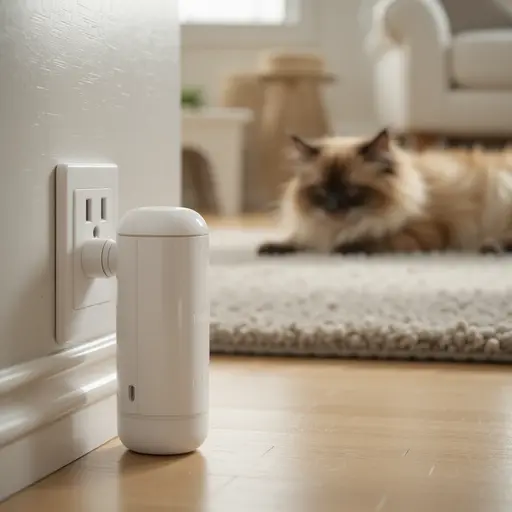
Synthetic pheromones, such as Feliway, mimic natural feline facial hormones. They signal safety and territory ownership to the cat. The pheromone itself is not systemically absorbed and is considered very safe for cats, including kittens and seniors. However, safety protocols around the diffuser and its liquid refill must be followed.
Toxicity Severity Scale
- Ingestion: The pheromone isn’t the concern here; it’s the petroleum-distillate carrier liquid in the refill vial. Manufacturer safety data classifies swallowed refill liquid as harmful and potentially fatal, mainly because of the risk of the liquid being aspirated into the lungs rather than staying in the stomach. Treat any refill-vial ingestion as a genuine emergency, not a minor mishap.
- Inhalation: The diffused pheromone vapor is safe for cats and humans when the diffuser is used as directed.
- Skin Contact: Low risk of irritation from the diffuser body itself; avoid direct skin contact with the liquid refill.
- Small Pets (Birds/Rodents): Use extra caution around birds especially, since their respiratory systems are highly sensitive to airborne particles; place diffusers in well-ventilated areas away from cages.
Immediate Action Checklist
If a cat chews on the diffuser refill or spills the liquid:
- Remove the Cat From the Area: Move your cat away from the spill and take away the refill vial so it can’t ingest more.
- Call Immediately, Don’t Wait: Contact your veterinarian or the ASPCA Animal Poison Control Center right away if any liquid was swallowed. This is time-sensitive because of aspiration risk, not something to observe first.
- Do Not Induce Vomiting: Vomiting increases the chance of the liquid entering the airway. Only induce vomiting if a vet or poison control specifically tells you to.
- Watch for Coughing or Labored Breathing: These signs of aspiration may not appear immediately, so keep monitoring for the next 24–48 hours even if your cat seems fine at first.
Symptoms Timeline
- 0–30 Minutes: Drooling, pawing at the mouth, or gagging from the liquid’s taste and texture.
- 1–2 Hours: Skin or mouth-contact-only exposure typically settles down on its own.
- 24–48 Hours: This window matters most if any liquid was swallowed. Coughing, wheezing, or labored breathing during this period can signal aspiration pneumonitis and needs immediate veterinary attention.
Prevention Tips
- Plug diffusers into outlets behind furniture where cats cannot reach.
- Do not place diffusers near food bowls or litter boxes.
- Replace refills every 30 days to ensure consistent dosage.
Budget Breakdown and Cost Factors
Managing cat behavior can vary widely in cost. Understanding the financial commitment helps you prepare for long-term care.
Cost Breakdown Table
| Item | Initial Cost | Monthly Maintenance | Lifespan |
|---|---|---|---|
| Pheromone Diffuser Kit | $25 – $40 | $15 – $20 (Refill) | 30 Days/Refill |
| Calming Collar | $15 – $30 | $15 – $30 (Replacement) | 30 Days |
| Veterinary Consult | $50 – $100 | N/A | One-time/Visit |
| Prescription Meds | N/A | $30 – $80 | Monthly |
| DIY Safe Room Setup | $0 – $50 | $0 | Permanent |
Factors Affecting Price
- Brand Name: Veterinary-recommended brands cost more than generic alternatives.
- Home Size: Larger homes require multiple diffusers, increasing monthly costs.
- Severity: Severe cases require medication and frequent vet visits, raising the total cost.
Ways to Reduce Cost Safely
- Buy in Bulk: Purchase multi-pack refills for diffusers to lower unit cost.
- Generic Brands: Look for store-brand pheromones with identical active ingredients.
- Environmental Focus: Investing in vertical space (shelves) is a one-time cost that reduces stress permanently.
When Cheaper Options Are Risky
Avoid unverified herbal supplements found on discount sites. Some contain essential oils like tea tree or peppermint, which are toxic to cats. Always verify ingredients against the American Veterinary Medical Association guidelines. Cheap diffusers may also pose fire hazards if not UL-certified.
Product Comparison: Top Calming Solutions
Not all products work for every cat. Genetics and individual history play a role in efficacy. Below is a side-by-side comparison of common interventions.
Side-by-Side Comparison Table
| Product Type | Best For | Pros | Cons |
|---|---|---|---|
| Plug-In Diffuser | Whole-room calming | Continuous coverage, hands-off | Requires outlet, limited range |
| Calming Collar | Travel or multi-cat | Portable, individual dosing | Can get caught on objects, scent fades |
| Spray | Carriers or specific spots | Targeted application, travel-friendly | Needs reapplication, manual effort |
| Supplement (Chew) | Acute events (vet visits) | Fast-acting (about 30 minutes) | Cat must accept the treat, ongoing cost |
Pros and Cons Section
- Diffusers: Best for general household harmony. Cons: Cannot be used in timers easily.
- Collars: Best for individual cats in multi-cat homes. Cons: Some cats refuse to wear them.
- Sprays: Best for carriers and bedding. Cons: Alcohol base can smell strong initially.
Best Choice by Scenario
- New Home: Plug-In Diffuser.
- Veterinary Visit: Spray on carrier + Supplement.
- Inter-Cat Conflict: Multiple Diffusers + Separate Resources.
Safety and Nutritional Implications
Oral supplements often contain L-Theanine or tryptophan. While generally safe, they can interact with prescription medications like SSRIs. Always disclose supplement use to your veterinarian before combining it with any prescription medication. For more detailed behavioral health information, refer to the Cornell Feline Health Center.
When to Seek Professional Help
There is a limit to what home setups can achieve. Professional help is required when safety is compromised or quality of life declines.
Root Cause Explanation
Behavior is communication. If the root cause is medical (pain), behavioral modification will fail. If the root cause is deep-seated fear, medication may be needed to lower anxiety enough for training to work.
When to Seek a Professional Trainer or Vet
- Blood in Urine: Indicates cystitis, often stress-induced, but requires meds.
- Weight Loss: Chronic stress suppresses appetite.
- Injury: If cats are fighting to the point of injury.
- No Improvement: If home strategies fail after 4 weeks.
A board-certified veterinary behaviorist can create a tailored modification plan. This is distinct from a general trainer and involves medical knowledge.
Prevention Guidance
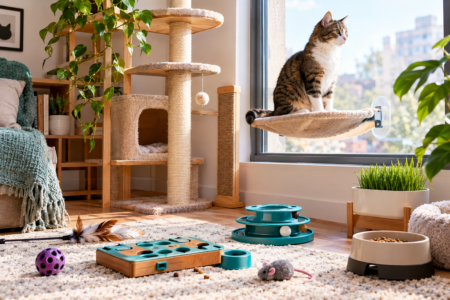
Preventing anxiety is easier than treating it. Maintain a consistent routine for feeding and play. Provide vertical space, such as cat trees or window perches. Ensure there is one litter box per cat, plus one extra.
Scratching posts should be available near sleeping areas and entryways, and redirecting scratching to appropriate surfaces removes one more source of household tension. These environmental constants provide a sense of control for the cat.
FAQs
How long does cat anxiety usually last?
Mild situational anxiety, like a new pet or a moved piece of furniture, often eases within 3–7 days as the cat adjusts. Anxiety tied to a bigger change, like a move, can take several weeks to resolve. If there’s no improvement after about two weeks of consistent management, that’s the point to involve your veterinarian.
Are pheromone diffusers actually safe for cats?
The pheromone itself is not systemically absorbed and is considered very safe, including around kittens and senior cats. The carrier liquid in the refill vial is a different story: manufacturer safety data classifies it as harmful and potentially fatal if swallowed, mainly because of aspiration risk. Keep diffusers and refill vials somewhere your cat can’t chew into them.
What’s the difference between normal shyness and true anxiety?
A shy cat still eats, uses the litter box normally, and gradually warms up over days. An anxious cat shows sustained changes, appetite loss, litter box avoidance, excessive grooming, or aggression, that don’t resolve as it settles in, or that appear suddenly with no clear trigger.
Can I use dog calming products on my cat?
No. Cats metabolize many ingredients differently than dogs do, and some dog-specific calming products contain essential oils, like tea tree oil, that are toxic to cats even in small amounts. Always choose products labeled specifically for feline use.
When does cat anxiety become a veterinary emergency?
Open-mouthed breathing, straining to urinate without producing urine (especially in male cats), sudden aggression toward familiar people, or a refusal to eat for more than 24 hours all warrant an immediate vet visit rather than a wait-and-see approach.
Conclusion
Managing feline stress requires a balance of observation, safety, and strategic investment. By accurately identifying cat anxiety symptoms, you can intervene before behaviors become entrenched.
Start with safe, budget-friendly environmental changes and pheromone support. Monitor your cat closely for red flags that indicate medical issues.
Remember that patience is your most valuable tool. If costs become a barrier, prioritize veterinary consultation over expensive gadgets to rule out pain. With the right decision framework, you can restore peace to your home and ensure your cat feels secure. Take action today by assessing your current setup against the safety and cost guidelines provided.