




What if the greatest threat to your new puppy or kitten isn’t outside your door but hiding in plain sight inside your home? Every year, veterinary emergency rooms see thousands of preventable pet injuries from household hazards that owners never noticed—until it was too late.
Creating a pet-safe home checklist isn’t just about removing obvious dangers. It’s about seeing your home through curious eyes at floor level, where electrical cords look like toys, houseplants become snacks, and unsecured cabinets hold deadly temptations.
Whether you’re preparing a puppy-proof apartment for your first dog or creating a cat-proof home for a new kitten, this room-by-room audit will help you identify hidden risks before they become emergencies.
Veterinary toxicology research consistently finds that the large majority of pet poisonings happen at or near the animal’s own home rather than out in the world, which is exactly why prevention indoors matters so much. This guide gives you the exact framework to transform every room into a secure sanctuary where your pet can explore, play, and thrive without risk.
Key Takeaways
- See from their perspective: Get down on your hands and knees to spot hazards at pet eye-level that you’d miss standing up.
- Room-by-room matters: Each area has unique dangers—kitchens hide toxins, bathrooms hold medications, and living rooms conceal choking hazards.
- Species-specific safety: Dogs need secure trash and fencing; cats require window screens and stable climbing spaces.
- Maintenance is critical: Pet-proofing isn’t one-time—reassess monthly as your pet grows and their abilities change.
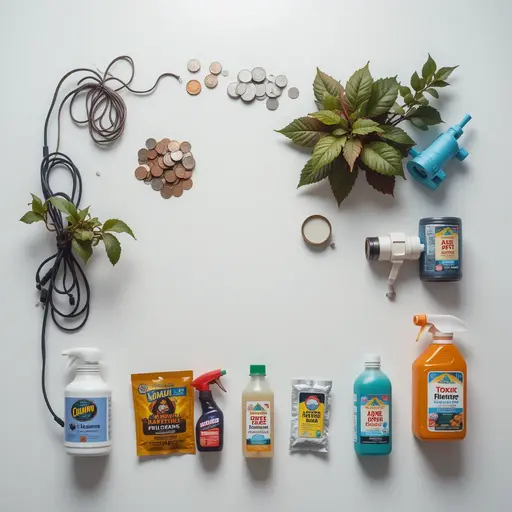
The Hidden Dangers Lurking in “Safe” Spaces
Most pet owners believe their homes are safe until disaster strikes. The uncomfortable truth? Nearly every room hides multiple pet hazards that owners walk past every day without ever noticing them.
Your pet doesn’t understand “don’t touch” or “that’s not food.” Their natural curiosity drives them to investigate everything with their mouths, paws, and whiskers. What seems harmless to you—a dangling blind cord, a half-finished drink, a small rubber band—becomes a life-threatening emergency for them.
Common misconceptions lead to preventable tragedies:
Myth: “My pet knows better than to eat that.”
Reality: Pets, especially puppies and kittens under one year, explore orally. Their impulse control is nonexistent, and their judgment is undeveloped.
Myth: “If it’s safe for humans, it’s safe for pets.”
Reality: Many human-safe items are toxic to pets. Grapes, chocolate, and xylitol (found in sugar-free gum) sit alongside common human pain relievers on the short list of everyday items that can be fatal to a dog or cat in small doses.
Myth: “I’ll just watch them closely.”
Reality: Accidents happen in seconds. Pets move faster than you can react, especially when motivated by curiosity or fear.
The pet-proofing checklist approach isn’t about creating a sterile, fun-free environment. It’s about strategic prevention—removing genuine dangers while preserving your pet’s ability to explore safely. Think of it as building guardrails on a scenic road, not closing the road entirely.
Your Room-by-Room Safety Audit System
Pet-proofing your home requires systematic inspection, not random worry. This room-by-room audit method ensures you catch every hazard, from the front door to the backyard.
The Pet’s-Eye View Technique
Before auditing any room, physically get down on your hands and knees. This simple shift reveals dangers invisible from standing height:
- Electrical cords snaking along baseboards
- Small objects under furniture
- Loose carpet edges
- Gaps behind appliances
- Low-hanging tablecloths or curtains
Spend 5-10 minutes in each room at pet level. You’ll spot 3-4 hazards you’d otherwise miss.
Entryway & Hallways: The First Line of Defense
Your entryway sets the tone for home safety. This high-traffic area often becomes a dumping ground for dangerous items.
Critical hazards to eliminate:
- Shoes with small parts, laces, or insoles that can be swallowed
- Umbrellas with sharp tips left within reach
- Purses or backpacks containing medications, gum, or small items
- Coats with buttons that can be chewed off
- Muddy paws tracking in outdoor toxins (antifreeze, pesticides)
Safety solutions:
- Install a designated shoe rack inside a closed closet
- Use coat hooks at least 5 feet high
- Place a “drop zone” basket for keys, mail, and small items—well above pet reach
- Keep a towel by the door for immediate paw cleaning
Kitchen: The Danger Zone
The kitchen ranks as the most hazardous room for pets, containing toxins, choking hazards, and burn risks in every direction.
Immediate threats:
- Trash cans overflowing with food scraps (chicken bones, corn cobs, onion skins)
- Open cabinets holding cleaning supplies, plastic bags, or sharp objects
- Accessible countertops with food, knives, or hot appliances
- Exposed electrical cords from small appliances
- Toxic foods left within jumping/climbing range
Essential modifications:
| Hazard Type | Dog-Specific Risk | Cat-Specific Risk | Prevention Strategy |
|---|---|---|---|
| Trash access | Scavenging, choking, toxicity | Knocking over cans, scavenging | Use step-on cans with locking lids or store inside a latched cabinet |
| Counter surfing | Stealing food, burning paws | Jumping to high surfaces, knocking items down | Never leave food unattended; use deterrent mats if necessary |
| Cabinet access | Chewing containers, ingesting toxins | Squeezing into small spaces | Install childproof latches on all lower cabinets |
| Appliance cords | Chewing, electrical shock | Batting at dangling cords | Use cord organizers; unplug when not in use |
Pro tip: Store all cleaning products, including “natural” options like essential oils, in a high cabinet with a childproof lock. Even diluted vinegar or baking soda can upset a sensitive pet’s stomach.
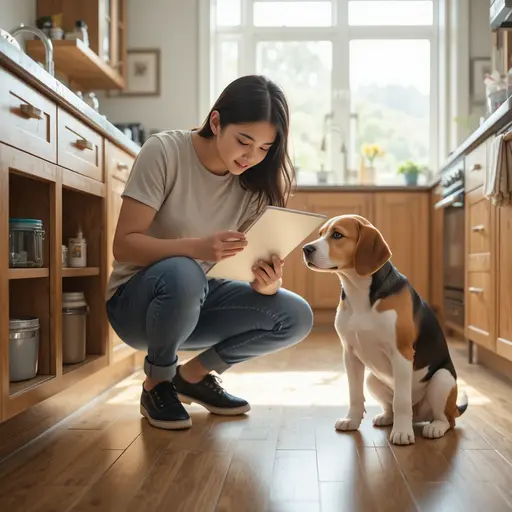
Living Room & Family Spaces: Comfort with Caution
Living rooms seem harmless but harbor surprising dangers, especially for curious puppies and agile kittens.
Hidden hazards:
- Houseplants (lilies are fatal to cats; sago palms kill dogs)
- Remote controls with small batteries (button batteries cause severe internal burns)
- Decorative items with small parts or sharp edges
- Exposed entertainment center wiring
- Soft furnishings with loose threads or stuffing
- Candles, diffusers, or air fresheners
Pet-safe modifications:
- Replace toxic plants with pet-friendly alternatives (spider plants, Boston ferns, or artificial options)
- Use cord concealers or bitter-tasting sprays on exposed wires
- Secure bookshelves and TV stands to walls (cats love climbing; dogs may bump into them)
- Remove tablecloths that can be pulled down, bringing hot liquids or heavy objects crashing down
- Store remotes in closed drawers when not in use
Window and blind safety:
Corded blinds pose a genuine strangulation risk to curious cats and dogs, not just to children—the cord’s loop can catch around a neck as easily as a paw. Cut cords short or invest in cordless blinds. Ensure all windows have secure screens—cats can fall from any height, and even dogs may jump after squirrels or birds.
Bedroom & Bathrooms: Personal Space, Shared Safety
These private rooms often contain the most concentrated toxins and the smallest hazards.
Bedroom dangers:
- Medications on nightstands (one pill can kill a small pet)
- Jewelry, hair ties, and small accessories
- Charging cables within reach
- Open laundry baskets (socks are commonly swallowed)
- Essential oil diffusers running overnight
Bathroom hazards:
- Open toilet bowls (cleaning chemicals, drowning risk for small pets)
- Accessible medicine cabinets
- Razors, cotton swabs, and dental floss
- Wet floors cause slips
- Shower curtains that can be pulled down
Non-negotiable safety rules:
- Never leave medications on counters or nightstands—always store them in locked cabinets
- Keep toilet lids closed (consider childproof toilet locks for persistent pets)
- Store all personal care items in closed drawers
- Use non-slip bath mats
- Unplug hair tools immediately after use and store while cooling
Laundry Room & Garage: Utility Spaces, Serious Risks
Often overlooked, these areas contain concentrated toxins and mechanical dangers.
Critical threats:
- Antifreeze (sweet-tasting, fatal to pets in tiny amounts)
- Pesticides, herbicides, and fertilizers
- Sharp tools and hardware
- Plastic bags and wrapping materials
- Washer/dryer access (pets may hide inside)
Essential protections:
- Store all chemicals in locked, high cabinets
- Never leave washer/dryer doors open
- Sweep floors regularly for small metal objects (nails, screws, bolts)
- Keep garage door openers out of reach
- Immediately clean up any spills, especially automotive fluids
Outdoor Spaces: Extending Safety Beyond Walls
Your yard should be a playground, not a hazard zone.
Outdoor audit checklist:
- Fencing: Check for gaps, loose boards, or dig-out spots. Dogs can squeeze through surprisingly small spaces
- Plants: Remove toxic varieties (azaleas, oleander, foxglove, sago palm)
- Water features: Secure ponds or pools with barriers; pets can drown
- Grills and fire pits: Store propane tanks safely; cover hot surfaces
- Garden tools: Lock away sharp implements
- Compost bins: Secure tightly (moldy food causes tremors and seizures)
- Mulch: Avoid cocoa mulch (it contains theobromine, the same chocolate compound that’s toxic to dogs)
Seasonal considerations:
In summer, check pavement temperature (can burn paw pads). In winter, store ice melt products safely and wipe paws after walks to remove salt and chemicals.
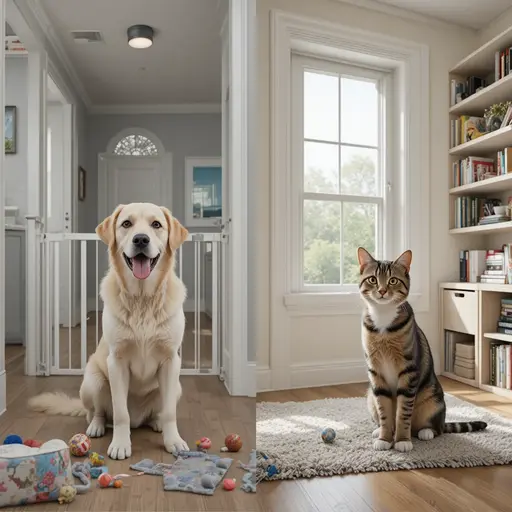
Species-Specific Safety: Dogs vs. Cats
While many hazards overlap, dogs and cats face different risks based on their behavior and biology.
Dog-Specific Priorities
Dogs are scavengers and chewers. Their puppy-proof apartment needs to focus on:
Primary concerns:
- Trash security: Dogs will raid garbage cans given any opportunity
- Food guarding: Store all food in sealed containers; never leave plates unattended
- Chewing instincts: Provide appropriate chew toys; remove shoes, remotes, and kids’ toys
- Escape prevention: Double-check fence integrity; dogs are motivated by squirrels, other dogs, or fear
- Size matters: Large breeds can jump higher and reach further; small breeds can squeeze through tiny gaps
Breed considerations:
Labrador Retrievers and Beagles are notorious food-motivated scavengers. Terriers dig and chew relentlessly. Large breeds like German Shepherds need extra-secure fencing.
Cat-Specific Priorities
Cats are climbers and hunters. Your cat-proof home and kitten safety plan must address:
Critical modifications:
- Vertical safety: Secure heavy furniture to walls; cats will climb everything
- Window screens: Use pet-proof screening; standard screens tear easily
- Small spaces: Block gaps behind appliances, under beds, or inside recliners
- String hazards: Yarn, ribbon, and dental floss cause linear foreign bodies (life-threatening intestinal blockages)
- Toxic plants: Lilies cause fatal kidney failure in cats—even pollen or water from the vase is deadly
Kitten-specific concerns:
Kittens under 6 months are incredibly agile but lack judgment. They’ll jump before looking, chew electrical cords, and squeeze into impossible spaces. Extra vigilance is essential during this developmental stage.
Comparison: Priority Hazards by Species
| Hazard Category | Dogs (High Risk) | Cats (High Risk) | Both Species |
|---|---|---|---|
| Toxic foods | Chocolate, xylitol, grapes | Onions, garlic, alcohol | All human medications |
| Physical dangers | Large bones, corn cobs | String, rubber bands | Small toys, batteries |
| Environmental | Unfenced yards, pools | Unscreened windows, toxic plants | Electrical cords, cleaning products |
| Behavioral | Scavenging trash | Climbing unstable furniture | Chewing inappropriate items |
Your Action Plan: Implementation & Maintenance
Knowing what to fix is only half the battle. Here’s how to execute your pet-safe home checklist effectively.
Phase 1: The Initial Audit (Week 1)
Day 1-2: High-priority rooms
Start with the kitchen, bathroom, and living room—the areas with the most concentrated hazards.
Day 3-4: Secondary spaces
Audit bedrooms, laundry room, and garage.
Day 5-7: Outdoor assessment
Walk your property perimeter; check fencing, plants, and outdoor storage.
Supplies you’ll need:
- Childproof cabinet locks ($10-15 for a pack)
- Cord organizers or cable sleeves
- Trash cans with locking lids
- Bitter apple spray (for deterring chewing)
- Furniture anchors/straps
- Pet-safe cleaning products
Phase 2: Implementation (Week 2-3)
Don’t try to fix everything at once. Prioritize by risk level:
Week 2 – Critical fixes:
- Secure all medications and toxins
- Install cabinet locks on lower kitchen/bathroom cabinets
- Remove toxic plants
- Secure trash cans
- Check fencing for gaps
Week 3 – Important modifications:
- Organize electrical cords
- Install window screens or guards
- Anchor heavy furniture
- Create designated pet zones with appropriate toys
- Set up safe storage for small items
Phase 3: Ongoing Maintenance
Pet-proofing isn’t a one-time task. Your pet grows, learns, and discovers new abilities.
Monthly reassessment:
- Walk through each room at pet level
- Check for new hazards (seasonal decorations, new purchases)
- Inspect fencing and gates for wear
- Replace damaged toys or chews
- Update your pet-proofing checklist as needed
Life stage adjustments:
- Puppy/kitten (0-6 months): Maximum supervision; frequent reassessment as they grow
- Adolescent (6-18 months): Test boundaries; reinforce training and barriers
- Adult (1-7 years): Maintain barriers; watch for boredom-related mischief
- Senior (7+ years): Add non-slip surfaces; remove obstacles for arthritic pets
Frequently Asked Questions
How long does it take to fully pet-proof a home?
A thorough initial audit takes 2-3 hours spread across several days. Implementation requires 1-2 weeks for critical modifications. However, pet-proofing is ongoing—reassess monthly as your pet grows and your home changes.
What should I do if my pet eats something dangerous?
Call your veterinarian first if they’re reachable. If not, contact the ASPCA Animal Poison Control Center (888-426-4435) or the Pet Poison Helpline (855-764-7661)—both run 24/7, though a consultation fee usually applies. Have the product packaging, plant name, or medication label ready when you call, and don’t induce vomiting unless a professional tells you to; some substances do more damage coming back up.
What’s the most commonly overlooked hazard in homes?
Medications left on nightstands or countertops top the list, followed by toxic houseplants (especially lilies for cats) and accessible trash cans. Small items like hair ties, rubber bands, and children’s toys are also frequently forgotten.
Do I need to pet-proof every room, even ones my pet can’t access?
Yes. Pets are surprisingly resourceful at finding ways into “off-limits” areas. Doors get left open, gates malfunction, and curious pets learn to jump or climb. Assume any room could become accessible and prepare accordingly.
Are natural or organic cleaning products safe for pets?
Not necessarily. Many “natural” products contain essential oils (tea tree, citrus, eucalyptus) that are toxic to pets. Always check ingredient lists and look for products specifically labeled pet-safe. When in doubt, use diluted white vinegar and water.
My pet is already trained and well-behaved. Do I still need to pet-proof?
Absolutely. Even the best-trained pets can make mistakes when scared, bored, or following instinct. Training and pet-proofing work together—barriers prevent opportunities for errors while training reinforces good behavior.
Conclusion
Creating a pet-safe home checklist isn’t about living in fear—it’s about living with confidence. When you systematically audit each room, address species-specific risks, and maintain your safety modifications, you give your pet the freedom to explore, play, and thrive without constant worry.
Remember: pet-proofing is an investment in prevention. The hour you spend securing a cabinet today can prevent a $3,000-or-more emergency surgery tomorrow. An afternoon spent checking your fence can save your dog from a frightening escape. Getting down to their eye level reveals dangers you’d otherwise never see.
Your immediate action step: Choose one room tonight—start with the kitchen or bathroom—and complete a full pet-level audit. Get on your hands and knees. Look for hazards. Fix at least three things before bed. Tomorrow, tackle another room.
Your pet’s safety depends on your vigilance, but you don’t have to do it alone. Join the PetsMirror community to share your pet-proofing wins, ask questions, and learn from thousands of pet parents who’ve walked this path before you.