



Every summer, a heat wave arrives that catches pet owners off guard. In late June 2026, a heat dome pushed dangerous temperatures across more than 170 million Americans, with Texas heat indexes nearing 110°F and cities like Philadelphia and Newark logging overnight lows above 80°F for three straight nights. Events like that are becoming more common, and they’re a genuine medical emergency waiting to happen for pets who can’t cool themselves the way we do.
Pet heat safety isn’t just about comfort. Veterinarians see a predictable spike in heatstroke cases every time temperatures and humidity climb, and the pets who suffer are almost always the ones whose owners didn’t realize how fast things can go wrong.
Key Takeaways
- Dogs and cats cannot sweat like humans; they rely almost entirely on panting, which becomes far less effective in hot, humid conditions.
- Heatstroke can develop rapidly and lead to organ damage, seizures, or death without immediate veterinary treatment.
- Short-nosed breeds, senior pets, young animals, overweight pets, and those with underlying conditions face the highest risk.
- Pavement can reach 150°F on sunny days. Test it with your hand for seven seconds before walking your dog.
- Never leave pets in parked cars, even with windows cracked. On a mild 70°F day, a car’s interior can climb roughly 20°F in just 10 minutes and reach around 110°F within an hour, and cracking the windows barely slows it down.
Why Pets Overheat Faster Than You Think
Most pet owners assume their dogs and cats handle heat the way people do. That assumption could cost your pet its life.
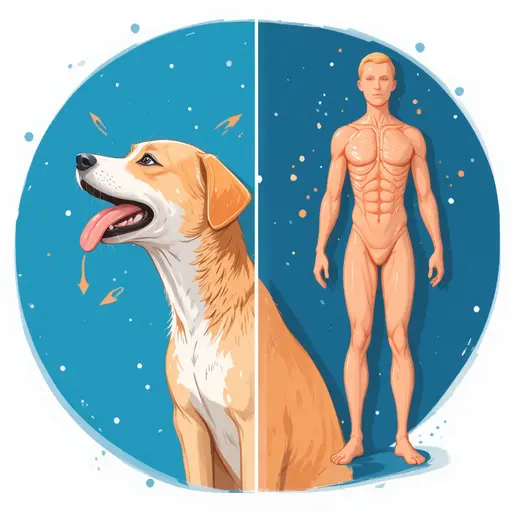
Unlike humans, dogs and cats cannot sweat to cool themselves. They rely almost entirely on panting to regulate body temperature. When the air around them is already hot and humid, panting provides little relief. This physiological gap is why heatstroke develops in pets far faster than most owners expect.
“Pet owners may underestimate how quickly pets can overheat, even in temperatures that feel comfortable to people,” says Dr. Tony Coronado, DVM, vice president of emergency medicine at Thrive Pet Healthcare. “Humidity, direct sun, and hot pavement can all increase the risk.”
Long-range summer outlooks from the Farmers’ Almanac and AccuWeather have flagged recent summers as hotter-than-normal across the United States and Canada, and the 2026 heat dome ranked among the most intense early-summer heat events on record in several regions.
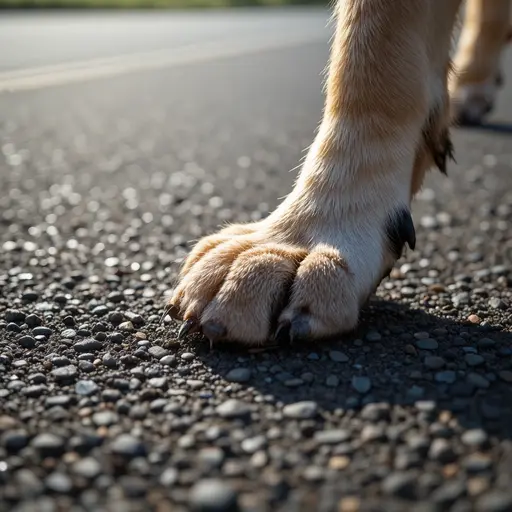
The pavement presents another serious hazard that owners frequently overlook. Sidewalks and asphalt can reach 150°F on a sunny day, hot enough to cause painful paw pad burns within seconds.
The Seven-Second Test: Press the back of your hand against the pavement for seven seconds. If you can’t hold it there comfortably, your dog shouldn’t walk on it.
How Pet Heat Safety Works
Think of your pet’s cooling system like a car’s radiator. When a radiator works properly, air flows through the fins and pulls heat away from the engine coolant. But imagine trying to cool that same car by blowing hot, humid air through the radiator. It simply won’t work. That’s exactly what happens when your dog or cat tries to pant in hot, humid weather.
The Science Behind Pet Overheating
Dogs and cats have sweat glands only in their paw pads, and these provide minimal cooling compared to human full-body sweating. Instead, pets depend on evaporative cooling through their respiratory system.
When a dog pants, moisture evaporates from the tongue, mouth, and upper respiratory tract, carrying heat away from the body. This works well when the surrounding air is cooler and drier. When humidity is high, though, the air is already saturated with moisture, making evaporation nearly impossible.
High-Risk Pets:
| Risk Factor | Why It Matters | Examples |
|---|---|---|
| Short-nosed breeds | Anatomy makes panting far less effective | French Bulldogs, Pugs, Bulldogs, Persians, Boston Terriers |
| Age extremes | Both struggle to regulate body temperature | Senior pets and very young puppies/kittens |
| Overweight | Extra fat tissue acts as insulation, accelerating overheating | Pets above the ideal body condition score |
| Underlying conditions | Heart disease, kidney disease, diabetes, or respiratory problems reduce heat tolerance | Pets with chronic health issues |
Heatstroke in pets is a true emergency. It can lead to organ damage, seizures, and death if not treated immediately by a veterinarian.
Your Pet Heat Safety Action Plan
Hot stretches can arrive with little warning. Build these habits now, not after a close call.
Adjust Your Walking Schedule
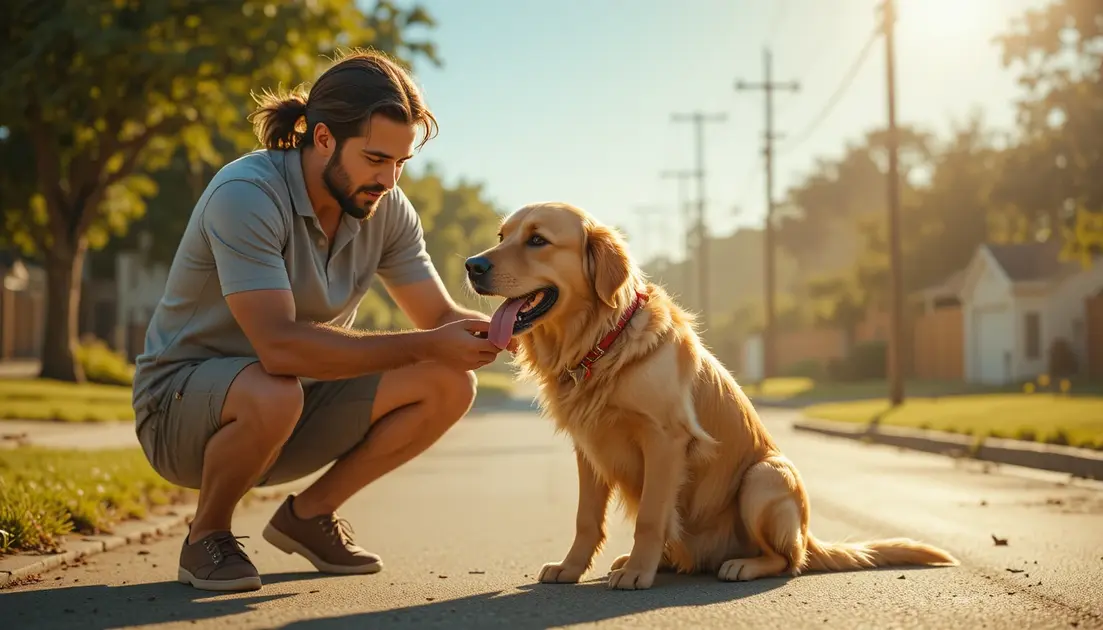
Walk smarter, not less. Shift walks to early morning or late evening when surface temperatures have dropped. Keep midday outdoor time very short and choose grassy, shaded routes whenever possible.
Safe Walking Checklist:
- Walk before 8 AM or after 8 PM
- Test pavement with the seven-second hand test
- Choose grass over asphalt or concrete
- Bring fresh water and a portable bowl
- Keep walks shorter than usual
- Watch for excessive panting during the walk
- Bring a damp towel to cool your dog if needed
Never Leave Pets in Parked Cars
This cannot be overstated: never leave pets in a parked car, not even with cracked windows, not even for a quick errand. Veterinary sources advise against leaving a pet in a car once outside temperatures pass roughly 70°F, and there is no safe short stop.
According to research cited by the American Veterinary Medical Association, a parked car’s interior temperature can climb about 20°F in just 10 minutes and nearly 30°F in 20 minutes. Even on a mild 70°F day, that’s over 110°F inside the vehicle within an hour, and cracking the windows makes almost no difference.
Hydration Strategy
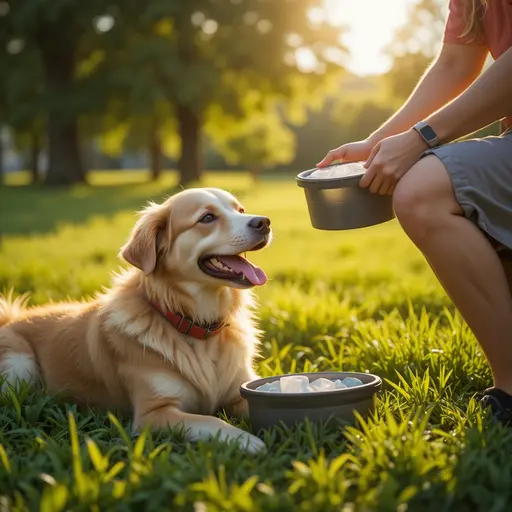
Offer water constantly. Pets dehydrate rapidly in heat and humidity. Carry fresh water on every walk. Add ice cubes to their bowl at home to keep it cool and encourage drinking.
Hydration Tips:
- Provide multiple water stations around your home
- Add ice cubes to water bowls throughout the day
- Consider a pet water fountain to encourage drinking
- Monitor water intake — sudden increases or decreases can signal problems
- Bring water on every outing, no matter how short
- A quick skin-tent check can help: gently lift the skin over your pet’s shoulders. If it snaps back quickly, hydration is good; if it stays tented, your pet may be dehydrated.
Recognize Heatstroke Symptoms
Knowing the signs of heatstroke can save your pet’s life. Watch for these warning signals:
Early Warning Signs:
- Excessive panting or drooling
- Rapid heartbeat
- Restlessness or agitation
Advanced Symptoms:
- Glazed eyes or confusion
- Vomiting or diarrhea
- Weakness, staggering, or collapse
- Gums turning pale, gray, or bright red
- Seizures
Emergency Response: What to Do If Heatstroke Occurs
If your pet shows signs of heatstroke, act immediately:
- Move them out of the heat to a shaded or air-conditioned area
- Cool their ears, belly, and paw pads with cool (not ice-cold) water
- Do NOT submerge them or cover them with a cold, wet blanket — this can cause shock and can actually slow effective cooling.
- Give small sips of water if they’re conscious and able to drink
- Get to a veterinarian as fast as possible — internal damage may not be visible even if your pet seems to recover
“Prevention truly is the best medicine for heat-related illness — keep pets inside and limit exercise on hot days.” — Dr. Nyssa Levy, DVM, DACVECC, Associate Professor of Emergency and Critical Care Medicine, Michigan State University
Sun Protection for Pets
Pets with light-colored fur, pink noses, or thin coats can sunburn just like people. Breeds like whippets, pit bulls, Sphynx, and Devon rex are especially vulnerable.
Sun Safety Tips:
- Ask your veterinarian about pet-safe sunscreen for exposed areas
- Never use human sunscreen on pets — many formulas contain zinc oxide, salicylates, or other compounds that are toxic to animals.
- Provide shaded areas in your yard.
- Limit sun exposure during peak hours (10 AM to 4 PM)
Creating a Cool Indoor Environment
When outdoor temperatures are dangerous, keep your pets inside with these strategies:
Cooling Your Home:
- Run air conditioning or fans
- Close blinds or curtains on sunny windows
- Provide access to tile or concrete floors, which stay cooler
- Set up a “cooling station” with a damp towel or cooling mat
- Ensure fresh water is always available
Cooling Products to Consider:
| Product Type | How It Works | Best For |
|---|---|---|
| Cooling mats | Gel or water-filled mats absorb body heat | Dogs and cats who lie in one spot |
| Cooling vests | Evaporative cooling through wet fabric | Dogs who need outdoor time |
| Frozen treats | Ice cubes, frozen broth, or pet-safe frozen snacks | All pets — encourages hydration |
| Kiddie pools | Shallow water for wading and cooling off | Dogs who enjoy water |
Building Long-Term Heat Safety Habits
Hotter-than-normal summers are becoming the pattern rather than the exception across much of North America. Building consistent heat safety habits now protects your pet through every hot stretch this year and in the years ahead.
What Success Looks Like:
When you prioritize pet heat safety, you’ll notice your dog or cat maintaining normal energy levels even during hot weather. They’ll stay hydrated, avoid dangerous situations, and remain comfortable through the season.
Prevention Beats Emergency Care:
Heatstroke treatment requires immediate veterinary intervention and can cost thousands of dollars. More importantly, even with treatment, some pets suffer permanent organ damage or don’t survive. Prevention through proper planning and awareness is always the best approach.
Know Your Veterinarian’s Emergency Number:
Save your regular veterinarian’s number and the nearest emergency veterinary clinic’s contact information in your phone now, before you need it. During heat emergencies, every minute counts.
Adjust Your Expectations:
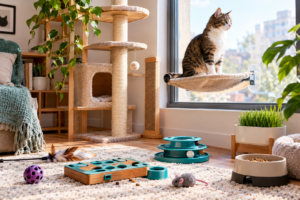
Hot weather may require changes to your routine. Your dog might need shorter walks. Outdoor playtime may shift to early morning or evening hours. Indoor enrichment activities become more important on the hottest days. These adjustments aren’t inconveniences — they’re essential protections for your pet’s health and life.
Frequently Asked Questions
What temperature is too hot for dogs and cats?
Once temperatures exceed roughly 75°F with high humidity, pets are at meaningfully increased risk. Brachycephalic (short-nosed) breeds, senior pets, and those with health conditions face danger at even lower temperatures. Always factor in humidity, not just the thermometer reading.
How quickly can heatstroke develop in pets?
Heatstroke can develop in as little as 10 to 15 minutes in extreme conditions, especially in parked cars or during intense exercise. High humidity speeds up the process because panting becomes far less effective.
What’s the difference between heat exhaustion and heatstroke?
Heat exhaustion is the milder, earlier stage: your pet is uncomfortable, panting heavily, and may seem weak or anxious, but is still mentally alert. Heatstroke is a true emergency — veterinary sources generally describe it as a core body temperature climbing past roughly 104-106°F, at which point confusion, collapse, and organ dysfunction can set in. If you can’t tell which one you’re seeing, treat it as heatstroke and get to a vet.
Can I use human sunscreen on my pet?
No. Many human sunscreens contain zinc oxide, salicylates, or other ingredients toxic to pets. Always use a veterinarian-approved pet sunscreen or ask your vet for a recommendation.
What’s the fastest way to cool an overheated pet?
Move them to shade or air conditioning immediately, apply cool (not ice-cold) water to their ears, belly, and paw pads, and offer small amounts of water. Then seek emergency veterinary care — internal damage requires professional treatment even if your pet appears to bounce back.
Do cats need the same heat safety precautions as dogs?
Yes. Cats are equally susceptible to heatstroke, though they’re often better at self-regulating by finding cool spots. Indoor cats, senior cats, and those with health conditions need the same protections as dogs.
Do I only need to worry about pet heat safety in the summer?
No. Heat domes and unusually hot stretches increasingly show up outside the traditional summer window, including in early fall in many regions. Keep checking the seven-second pavement test and watching for heatstroke signs any time temperatures spike, not just from June through August.
Conclusion
Pet heat safety isn’t optional once temperatures and humidity climb. Your dog or cat depends on you to recognize the risks, adjust routines, and act quickly when warning signs appear.
Start today: check your walking schedule, test your pavement, and save your emergency vet’s number. These simple steps could save your pet’s life. What heat safety strategies work best for your pet? Share your tips with the PetsMirror community in the comments below, and let’s keep our furry friends safe together.