




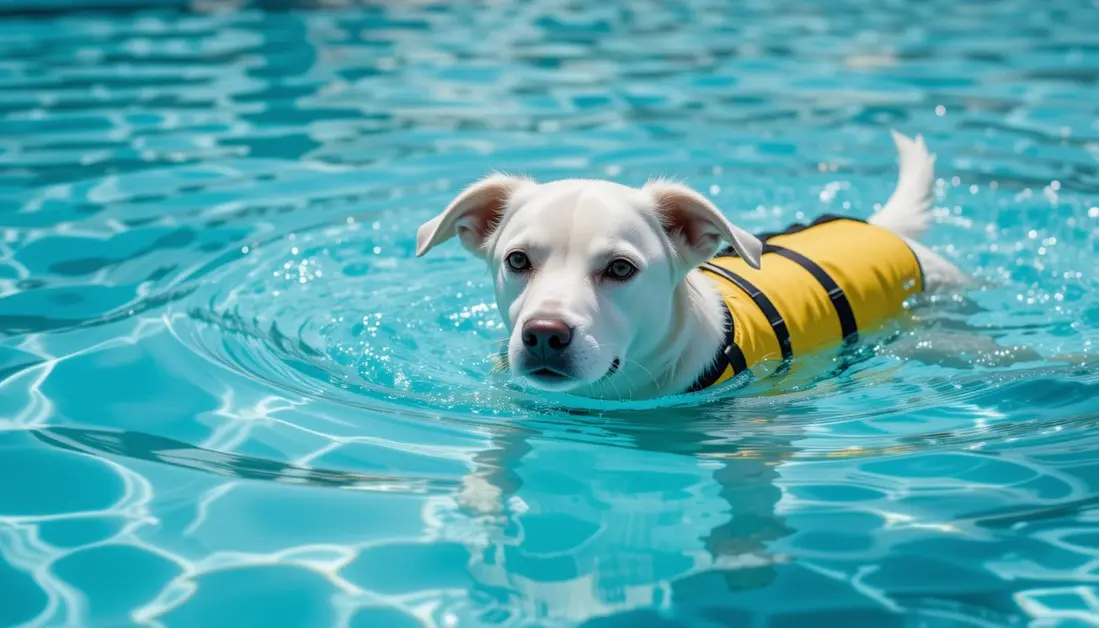
Dog water safety comes down to one hard truth: most dogs are not natural swimmers. The “doggy paddle” you see the first time a dog hits the water is often a panicked survival reflex, not confident swimming, and it doesn’t guarantee your dog can stay afloat or find their way back to safety.
Every year, preventable water accidents cost dogs their lives simply because owners assumed swimming ability that was never there. This guide covers the real risks by breed and environment, the gear that actually matters, step-by-step pool exit training, and exactly what to do in a water emergency, including canine CPR.
Key Takeaways
- Most dogs cannot swim safely by instinct alone. Supervised, positive introduction to water is what actually builds real swimming ability.
- Brachycephalic, short-legged/long-bodied, and lean sighthound breeds face the highest drowning risk and need a properly fitted life jacket every time, regardless of experience.
- A backyard pool is often more dangerous than a lake, because steep, ladder-only exits are hard for a tired dog to find. Teach a specific exit point before your dog ever swims unsupervised.
- Know the signs of water distress. A dog going vertical, gasping, or paddling erratically rarely splashes or cries for help the way people expect.
- What’s commonly called “dry drowning” isn’t a separate condition. Current veterinary guidance treats it as a delayed complication of the same drowning event, and any dog who struggles in water needs a same-day vet check even if they seem fine afterward.
Understanding Water Risks for Dogs
The most dangerous misconception in dog water safety is believing all dogs are natural swimmers. While many dogs display a “doggy paddle” instinct in water, this is often a panicked survival reflex rather than coordinated swimming. This instinctive movement doesn’t guarantee they can stay afloat for extended periods or navigate back to safety.
Many dogs quickly become exhausted, especially in deeper water, and can drown within minutes. Swimming is a learned skill that requires practice, confidence, and physical capability, factors that vary significantly between individual dogs and breeds.
Without proper introduction and supervision, even seemingly shallow water can become deadly. Understanding the difference between instinctive movement and actual swimming proficiency is the foundation of effective dog water safety.
Breeds at Highest Risk in Water
Dogs with shortened snouts face serious disadvantages in water. Their anatomy creates multiple challenges:
- Bulldogs, Pugs, Boxers, and Boston Terriers struggle with breathing while swimming.
- Heavy chest muscles cause them to sink rather than float.
- Short muzzles make it difficult to keep the airway clear of water.
- Excessive facial skin can obstruct vision and breathing.
These breeds often tire within minutes in water and require constant supervision with a properly fitted life jacket. Never force a brachycephalic dog into water — many simply cannot swim safely regardless of training.
Short-Legged and Long-Body Breeds: Propulsion Problems
Dachshunds, Basset Hounds, and Corgis face unique challenges in water:
- Short legs provide minimal propulsion power.
- Long bodies create drag and make maneuvering difficult.
- Rapid exhaustion occurs even in calm water.
- Back problems can worsen with improper swimming technique.
These breeds often appear to “doggy paddle” but quickly become fatigued. Their swimming ability is severely limited compared to breeds with longer limbs and streamlined bodies.
Sighthounds: The Buoyancy Factor
Whippets, Greyhounds, and other sighthounds have lean body types with low body fat, resulting in poor natural buoyancy. Their narrow chests and deep bodies make it difficult to stay afloat without effort. These dogs often sink rather than float and need immediate assistance if they enter deep water unexpectedly.
Common Water Environments and Their Hidden Dangers
Swimming Pools
Swimming pools represent one of the most significant drowning hazards for dogs, yet many owners underestimate the risk:
- Steep, vertical walls with limited exit points — dogs often cannot locate the pool steps.
- Slippery surfaces around pool edges cause accidental falls.
- Pool covers can trap dogs underwater if they fall through.
- Chemical imbalances can irritate eyes and skin, causing panic.
Unlike natural bodies of water with gradual slopes, pools present unique challenges that can quickly turn a fun dip into a life-threatening situation. Even dogs that swim well in lakes may struggle to exit a standard residential pool.
Natural Bodies of Water
Lakes, rivers, and oceans introduce risks beyond basic swimming ability:
- Strong currents and undertows can pull even strong swimmers away from shore.
- Cold water temperatures cause rapid exhaustion and hypothermia.
- Hidden debris, like branches or rocks, can injure or trap dogs.
- Water quality issues, including toxic algae blooms and pollution.
Natural water environments change constantly with weather, season, and time of day. What appears safe in the morning may become dangerous by afternoon. Always check local conditions before allowing your dog into natural bodies of water.
Small Water Features
Many owners don’t consider seemingly harmless water sources as risks, but even shallow water can be deadly:
- Garden ponds with steep sides trap small dogs.
- Bathtubs and buckets can drown puppies or small breeds.
- Fountains and decorative water features have hidden dangers.
- Irrigation ditches with fast-moving water pose serious risks.
Never underestimate the drowning risk of even shallow water for dogs with limited mobility or swimming ability. A few inches of water can be fatal if a dog cannot escape.
Essential Water Safety Equipment for Dogs
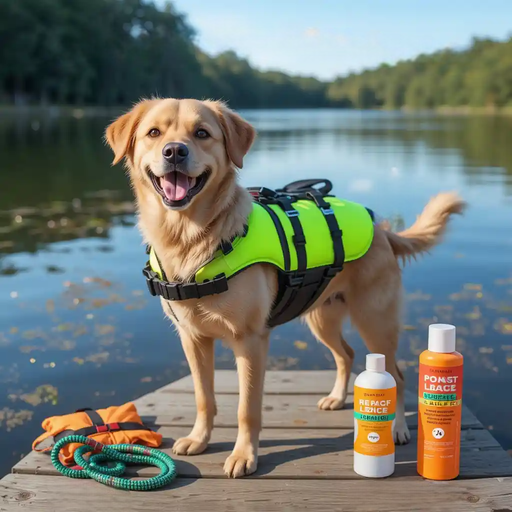
A properly fitted life jacket is the single most important piece of dog water safety equipment, regardless of your dog’s swimming ability. Even strong swimmers can become fatigued, caught in currents, or experience a medical emergency in the water.
Critical Features to Look For
When selecting a dog life jacket, prioritize these elements:
- Secure neck closure that prevents the jacket from sliding forward.
- Strong handle for easy rescue and support.
- High-visibility colors or reflective strips for better visibility.
- Proper buoyancy for your dog’s size and weight.
- Adjustable straps for a snug, comfortable fit.
The jacket should allow a full range of motion while keeping your dog’s head above water. Always test the fit before water activities. Your dog should be able to move freely, but the jacket shouldn’t shift position.
Top Recommended Dog Life Jackets
| Life Jacket | Best For | Key Features | Why It Excels |
|---|---|---|---|
| Ruffwear Float Coat | All-around protection | Telescoping neck, strong handle, reflective trim | Excellent buoyancy distribution, durable construction |
| Outward Hound Granby Splash | Budget-friendly option | Bright colors, dual grab handles, adjustable straps | Reliable performance at an accessible price point |
| EzyDog DFD X2 Boost | Large & XL breeds | Up to 50% more flotation, heavy-duty polyester | Superior buoyancy for heavier dogs |
| HydroSaver Pro | Maximum safety | 360° visibility, emergency whistle, quick-dry fabric | Comprehensive safety features for high-risk situations |
Additional Safety Gear Worth Considering
Beyond life jackets, these items strengthen your dog’s water safety setup:
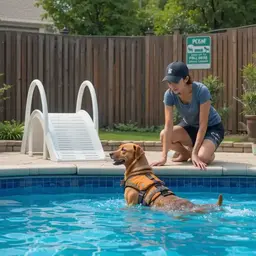
- Pool ramps or steps designed specifically for dogs.
- Floating toys to encourage safe water entry and exit practice.
- Water thermometers to check for dangerously cold temperatures.
- Rinse stations to remove harmful contaminants after swimming.
- Emergency flotation devices for quick rescue situations.
For pool owners, consider installing a dog-specific pool ramp with a non-slip surface and a gradual incline. A consistent, accessible exit point makes it far easier for a tired dog to get out on their own.
Prevention Strategies by Water Environment
Swimming Pool Safety for Dogs
The Golden Rule: Constant Supervision
The single most effective dog water safety measure is constant, undivided supervision. Never leave your dog unattended near a pool, even for “just a minute.” Distractions like phones, conversations, or household tasks can lead to tragic outcomes in seconds.
Supervision guidelines:
- Stay within arm’s reach of your dog in or near water.
- Maintain visual contact at all times. Don’t rely on hearing splashes.
- If you must leave the pool area, take your dog with you immediately.
- Watch for subtle signs of fatigue: slower movement, lower head position, or irregular breathing.
Teaching Pool Exit Strategies
One of the most valuable skills you can teach your dog is how to exit the pool independently. Practice this essential skill regularly:
- Start with your dog on a leash near the pool steps.
- Use a treat to guide them toward the exit point.
- Reward immediately when they successfully exit.
- Gradually reduce assistance until they locate the exit independently.
Repeat this process multiple times during each pool session until your dog consistently finds and uses the exit. For added safety, consider teaching a specific verbal cue for “exit now.”
Lake, River, and Ocean Safety Precautions
Navigating Natural Water Currents
Natural bodies of water present unique challenges that require specific dog water safety strategies:
- Check local water conditions before each outing. Never assume conditions are safe.
- Avoid areas with visible currents or posted warnings.
- Stay close to shore, where the water is shallower, and currents are weaker.
- Use a long line in unfamiliar water to maintain control while allowing exploration.
Be particularly cautious after rainfall, when rivers and streams often carry stronger currents and debris. Even dogs that swim well in calm water can be overwhelmed by moving water.
Water Quality and Wildlife Concerns
Natural water environments introduce hazards beyond basic swimming:
- Blue-green algae can be toxic and fatal. Avoid water with scum or unusual color.
- Jellyfish and stingrays pose risks in ocean environments.
- Snakes and alligators may inhabit certain freshwater areas.
- Bacteria and parasites can cause serious illness.
Always rinse your dog thoroughly after swimming in natural bodies of water to remove contaminants. Provide fresh drinking water so they aren’t tempted to drink potentially contaminated lake or river water.
Training Your Dog for Water Safety
The foundation of effective dog water safety is creating positive associations with water. Never force a dog into water, since this can create lifelong fear and resistance:
- Begin with shallow water, like a kiddie pool or bathtub.
- Let your dog explore at their own pace with your calm presence.
- Use high-value treats and enthusiastic praise for water exploration.
- Keep initial sessions extremely short (2–3 minutes) to prevent overwhelm.
Watch for signs of stress, including trembling, whining, or attempts to escape. If your dog shows discomfort, end the session immediately and try again another day.
Building Confidence Gradually
Once your dog feels comfortable with shallow water, gradually increase depth and duration:
- Support your dog’s chest with one hand while they paddle.
- Move slowly to slightly deeper water as they gain confidence.
- Introduce gentle splashing and water play to build comfort.
- Always end sessions on a positive note before fatigue sets in.
Focus on short, frequent sessions rather than infrequent long ones. Most dogs learn best with 5–10 minute sessions several times a week rather than hour-long sessions once a week.
Emergency Response Training
Recognizing Water-Related Distress
Understanding the signs of water distress can mean the difference between life and death:
- Early signs: Increased paddling effort, head held higher than normal.
- Moderate distress: Inconsistent paddling, attempts to climb on you.
- Critical distress: Vertical position in water, frantic movements, gasping.
Many drowning dogs don’t make dramatic splashes or cries for help. They quietly slip beneath the surface. Stay alert to subtle changes in your dog’s swimming behavior.
Basic Canine CPR Steps
Knowing canine CPR could save your dog’s life in a water emergency. These steps follow the RECOVER initiative’s veterinary CPR guidelines, the evidence-based standard most emergency vets are trained on:
- Remove from water while supporting the head and neck.
- Clear the airway by tilting the head downward to drain water.
- Check for breathing and pulse at the femoral artery (inner thigh).
- Begin chest compressions at 100–120 per minute, compressing about 1/3 to 1/2 the width of the chest, over the widest part of the rib cage.
- Give rescue breaths by closing the mouth and breathing into the nose until you see the chest rise.
For every 30 compressions, give 2 rescue breaths, and don’t lean on the chest between compressions so it can fully recoil. Continue until breathing resumes, or you reach veterinary care. Even if your dog seems fine after a water incident, seek immediate veterinary attention, since complications can develop later.
Special Considerations for Different Dogs
Brachycephalic Breeds: Extra Precautions Needed
Dogs with shortened snouts require specialized water safety approaches:
- Always use a life jacket with extra neck support.
- Limit water exposure to very short, supervised sessions.
- Avoid deep water entirely. Stick to shallow wading areas.
- Monitor breathing closely for any signs of distress.
These breeds often struggle to keep their airway clear in water, making even brief exposure potentially dangerous. Never assume your bulldog or pug can handle water activities that other dogs enjoy.
Short-Legged and Long-Body Breeds: Unique Challenges
Dachshunds, Basset Hounds, and similar breeds need tailored safety approaches:
- Use specialized life jackets with extra buoyancy under the chest.
- Provide frequent rest breaks during water activities.
- Avoid strong currents that overwhelm their limited propulsion.
- Consider hydrotherapy under professional supervision for joint issues.
These dogs often tire quickly in water but may keep swimming out of determination, leading to dangerous exhaustion. Watch for signs they’re struggling to maintain position.
Age-Specific Water Safety
Puppies: Building Water Confidence Safely
Puppies need a careful introduction to water:
- Start with very shallow water, like a few inches in a bathtub.
- Keep sessions extremely short (1–2 minutes maximum).
- Always use a life jacket for buoyancy and security.
- Focus on positive experiences without pressure.
Puppies lack the physical strength and coordination for extended swimming. Their temperature regulation is also less developed, making them susceptible to hypothermia even in warm water.
Senior Dogs: Adapting Water Activities
Older dogs face unique challenges in water that call for modified precautions:
- Check with your vet before introducing swimming activities.
- Use life jackets for support and reduced joint strain.
- Limit session duration to prevent exhaustion.
- Provide easy exit points and non-slip surfaces.
Arthritis, heart conditions, and reduced stamina can make swimming risky for senior dogs without proper precautions. Swimming can also be therapeutic for some conditions, but it requires careful monitoring and veterinary input beforehand.
Emergency Response and First Aid
You may have heard the terms “dry drowning” or “secondary drowning” used to describe a dog collapsing hours or days after seeming fine. It’s worth knowing that veterinary and human medicine have moved away from these terms.
The World Health Organization, the International Liaison Committee on Resuscitation, and veterinary emergency literature now treat all water incidents as a single process called drowning, rather than splitting them into separate “dry,” “wet,” or “secondary” categories.
What’s actually happening in these delayed cases is real and worth watching for: aspirating water damages the lining of the lungs, and that damage can cause fluid buildup (non-cardiogenic pulmonary edema) that shows up hours, and occasionally a day or two, after the incident, not weeks later as the old terminology implied.
The practical takeaway hasn’t changed: any dog who struggled, coughed heavily, or briefly went under in water needs to be watched closely and seen by a vet if any of these symptoms appear:
- Persistent coughing or gagging
- Difficulty breathing or rapid breathing
- Lethargy or unusual tiredness
- Blue-tinged gums or tongue
- Disorientation or confusion
If your dog shows any of these symptoms after water exposure, seek immediate veterinary care. Early intervention can prevent serious complications.
Near-Drowning Protocol
If your dog experiences a near-drowning incident, follow these steps:
- Remove from water immediately while supporting the head and neck.
- Clear the airway by positioning the head downward.
- Begin CPR if not breathing or no pulse.
- Seek emergency veterinary care even if breathing resumes.
Time is critical. Every minute counts in water emergencies. Continue CPR during transport to the vet if necessary.
Building a Comprehensive Dog Water Safety Plan
Creating Your Personalized Safety Checklist
Develop a customized dog water safety plan that addresses your specific situation:
- Identify water risks in your home and regular walking routes.
- Purchase appropriate safety gear for your dog’s size and needs.
- Practice emergency drills monthly with family members.
- Establish clear rules for water access and supervision.
- Create a communication plan for water emergencies.
Review and update your plan seasonally, especially before summer when water activities increase. Include all household members in training and practice sessions.
Seasonal Considerations for Year-Round Safety
Dog water safety needs change throughout the year:
- Spring: Beware of fast-moving runoff in rivers and streams.
- Summer: Monitor for toxic algae blooms in lakes and ponds, and watch for heat-related risks alongside water risks — see our pet heat safety guide for warning signs.
- Fall: Watch for hidden hazards as water levels drop.
- Winter: Prevent ice-related accidents on frozen bodies of water.
In colder months, pay special attention to icy conditions where dogs may fall through thin ice. Even in winter, maintain your dog’s water safety awareness, since unexpected water hazards exist year-round.
Frequently Asked Questions
How to know if water is safe for dogs?
Ensure water is clear, odorless, and free of visible pollutants like algae scum, foam, or debris. For tap water, confirm it meets municipal safety standards. Avoid sources near industrial runoff or agriculture.
How do you make tap water safe for dogs?
Most tap water is safe for dogs to drink. If you’re concerned about contaminants, use a certified water filter or boil the water for one minute and then cool it. Avoid adding chemicals like water softeners.
What water should dogs not drink?
Dogs should avoid saltwater, stagnant ponds, water with blue-green algae (which looks like paint), chemically treated pools, and any source contaminated with oils, antifreeze, or pesticides.
How to know if lake water is safe for dogs to swim in?
Check for posted warnings about bacteria or algae. Avoid water with visible green or blue scum, dead fish, or strong odors. Fast-moving water is generally safer than stagnant areas.
Is “dry drowning” in dogs a real, separate condition?
Not as a standalone diagnosis. Current veterinary guidance describes all water incidents as drowning, with some dogs developing delayed lung complications hours (rarely a day or two) after the incident, rather than treating “dry” or “secondary” drowning as distinct conditions. The practical advice is the same either way: get any dog who struggled in water checked by a vet the same day, and watch closely for breathing changes afterward.
Conclusion
Dog water safety requires understanding that not all dogs are natural swimmers, recognizing environmental risks, and implementing consistent preventive measures. Prioritize constant supervision, proper life jackets, and teaching exit strategies to transform water activities from potential hazards into safe, enjoyable experiences.
Remember that veterinary care is important even after seemingly minor water incidents, since complications can develop hours later. By building these practices into your routine, you’ll help your dog enjoy water activities with minimal risk, because their safety in and around water isn’t optional. It’s essential.
Start today by checking your pool’s exit accessibility and fitting your dog with a properly sized life jacket for your next water adventure.