






If your dog keeps scratching, licking their paws, or having stomach trouble, it’s understandable to wonder whether their food is involved. Changing foods may seem like the obvious first step, but the cause isn’t always easy to identify: food allergies can look like other skin or digestive conditions.
The most useful place to start is with your veterinarian. Together, you can review your dog’s symptoms and diet history, decide whether a food trial makes sense, and make a plan that keeps your dog comfortable and properly nourished.
Could Your Dog’s Symptoms Be Related to Food?
Food allergies involve an immune response to a component of the diet, often a protein. Signs can include itchy skin, paws, or ears, recurring ear or skin problems, vomiting, or diarrhea.
Those signs don’t prove food is the cause. Fleas, environmental allergies, infections, and other conditions can produce similar problems. A dog may also have more than one issue at the same time.
A food intolerance is an adverse reaction that does not involve the immune system. The difference matters medically, but you generally can’t determine whether a dog has an allergy or intolerance from the symptoms alone.
When to seek urgent help
A diet trial is not a substitute for emergency care. Contact an emergency veterinarian immediately if your dog collapses, has difficulty breathing, or has a swollen abdomen with repeated attempts to vomit. Severe bloody diarrhea, vomiting with weakness, or a dog becoming less responsive also needs prompt veterinary attention.
For persistent itching, recurring ear problems, or digestive signs that are not an emergency, arrange a veterinary appointment. If symptoms worsen while you’re waiting or during a food trial, contact your veterinary team rather than assuming your dog is experiencing a “detox” reaction.
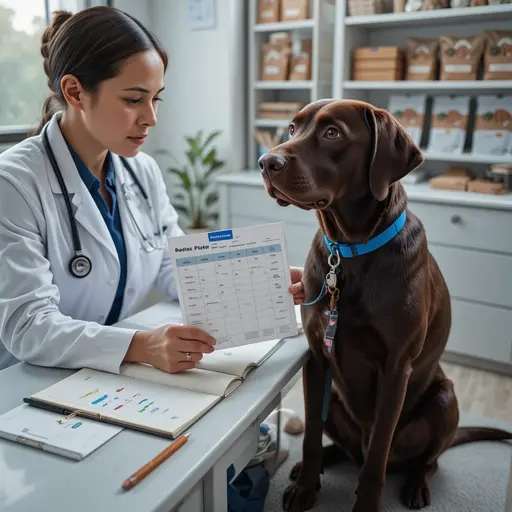
What to Bring to the Veterinary Appointment
A little preparation can make the conversation easier. Bring or write down:
- The names and flavors of current and previous foods, if known.
- Treats, chews, table scraps, supplements, and flavored medications your dog receives.
- When the itching, ear problems, or digestive signs began, and whether they change over time.
- Treatments already tried and how your dog responded.
- Photos of skin changes or notes about stool changes, if you have them.
Don’t worry if you can’t remember everything. Share what you know; it helps your veterinarian choose a useful next step. A food diary can provide context, but it cannot diagnose an allergy on its own.
How a Veterinarian May Diagnose a Food Allergy
For suspected food-related skin disease, the usual approach is a strict elimination diet trial, followed by a controlled food challenge if the veterinarian considers it appropriate. Improvement during the trial is useful information, but improvement alone does not establish which ingredient caused the signs. A return of signs after the previous food is reintroduced can help confirm that food is involved.
What happens during a trial?
Your veterinarian will recommend a diet based on your dog’s history and explain how to introduce it. During the exclusive trial period, your dog needs to receive only what the veterinary team has approved. For skin signs, trials commonly last around 8–12 weeks; the appropriate duration can differ for digestive signs and individual circumstances. Follow your veterinarian’s plan rather than choosing an end date yourself.
Before starting, ask:
- How should I transition to the trial food, and when does the exclusive trial begin?
- Which treats, chews, supplements, and flavored medications are permitted?
- What should I do if my dog eats another food by accident?
- How should I record symptoms, and when should we check in?
- What will the challenge involve if my dog improves?
Tell everyone who feeds your dog about the plan. In a multi-pet home, keep other animals’ food and treats out of reach where practical.
Do not stop or change prescribed medication or parasite prevention on your own. Ask your veterinarian whether an alternative is needed during the trial. Even seemingly small extras can make the result harder to interpret.
What if the trial doesn’t help?
Tell your veterinarian what happened, including any accidental exposures and other treatments used during the trial. Lack of improvement does not give you a simple answer by itself. Your veterinarian may reassess the trial, investigate other causes, or recommend a different approach.

Blood, Saliva and Hair Tests: Are They Useful?
Tests marketed to identify food allergies can be appealing, especially when a diet trial feels difficult. However, Merck notes that blood and saliva tests are unreliable for diagnosing food allergy in dogs, while an elimination diet followed by a challenge remains the reference approach.
Before paying for any food-allergy test, ask your veterinarian what the result can—and cannot—tell you. The reliability of a specific hair test or commercial product should not be assumed without reviewing evidence for that test.
Understanding Diet Options
There isn’t one best food for every dog with suspected food allergy. Your veterinarian’s choice depends on what your dog has eaten before, their health and life stage, and whether the food is intended for a diagnostic trial or long-term feeding.
Novel-protein diets
A novel protein is one your dog has not previously eaten. What is novel for one dog may not be novel for another, which is why a detailed food history matters. Your veterinarian can help identify a suitable diet.
Hydrolyzed-protein diets
Hydrolyzed diets contain proteins broken into smaller fragments. They are one option a veterinarian may recommend for an elimination trial. They are not a guarantee of relief, and your dog still needs to avoid unapproved foods during the trial.
Limited-ingredient foods
A shorter ingredient list can be useful information, but it does not automatically make a food suitable for diagnosing an allergy. Retail foods may have different controls for unintended ingredient cross-contact than veterinary diets. Ask your veterinarian whether a particular product is appropriate for your dog’s trial rather than choosing by the front label alone.
For general background on labels and life-stage nutrition, see PetsMirror’s guide to choosing pet food. During an elimination trial, however, follow the specific plan your veterinarian gives you.
Homemade diets
A home-prepared diet may be an option in some cases, but it needs careful formulation. VCA advises that a home-prepared novel-protein diet be formulated by a veterinary nutritionist and may require a balancing supplement. Don’t rely on a simple meat-and-carbohydrate recipe as a long-term complete diet without professional guidance.
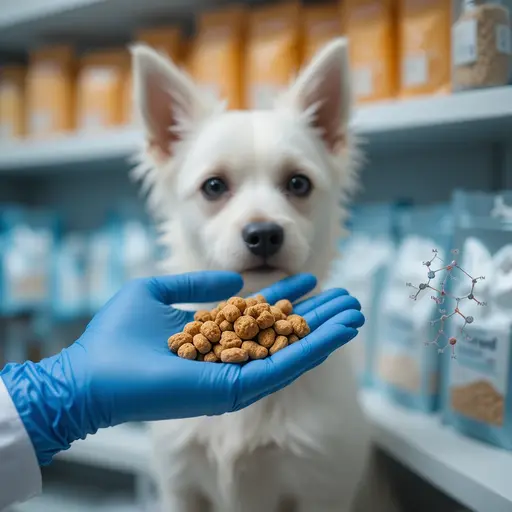
Helping Your Dog Stay Comfortable
Your dog shouldn’t have to simply wait out a long trial without help. Ask your veterinarian how to manage itching, ear problems, or suspected skin infections while the investigation is underway. Treating other problems and tracking what changes can make follow-up conversations more useful.
Before adding fish oil, probiotics, other supplements, medicated shampoos or ear cleaners, check with the veterinary team. A product may not be appropriate for your dog or may affect the plan you’re trying to follow. Don’t change the diet, medications or care routine without discussing it first.
If a food allergy is confirmed, management generally involves avoiding the identified trigger while providing a suitable diet. Your veterinarian can help you choose an approach your household can maintain.
Questions Owners Often Ask
Can my dog have treats during a trial?
Ask your veterinarian which, if any, are suitable for the specific trial. Don’t assume that a single-ingredient treat or a treat matching the food’s advertised protein is automatically appropriate.
Is grain-free food always better for allergies?
No. Some dogs can react to particular grains, but animal proteins are also recognized food allergens. Going grain-free does not address an allergy to an ingredient that remains in the food. Discuss your dog’s individual diet history with your veterinarian before switching.
Can a puppy have a food allergy?
Food allergy can occur in young dogs, but itching and digestive signs have other possible causes too. Because puppies are growing, ask your veterinarian to select a nutritionally appropriate plan rather than restricting ingredients or preparing a diet yourself.
A Manageable Next Step
You don’t have to solve your dog’s symptoms by guessing at every ingredient. Start with a veterinary appointment and a record of what your dog eats. If a trial is recommended, ask for a plan your whole household can follow—and check in when something is unclear.