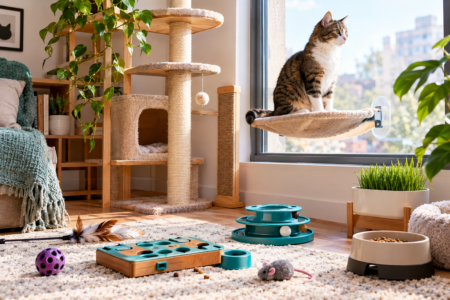





Many pets experience alone‑time stress because they are social animals whose ancestors relied on constant group contact for safety and resources.
When left alone, that innate need for companionship can manifest as separation anxiety—destructive chewing, excessive vocalization, house‑soiling, or frantic escape attempts—especially in dogs and cats that lack sufficient mental outlets.
Rather than waiting for problem behaviors to appear, owners can use enrichment activities as a preventive strategy. By providing structured mental stimulation through puzzle feeders, scent games, and interactive toys, pets learn to occupy themselves calmly and develop tolerance for solitude.
Enrichment does not replace companionship, but it builds the cognitive skills that reduce arousal and teach pets to settle when their humans are away.
This guide shows how to design a simple, evidence‑based alone‑time routine that lowers anxiety risk for both dogs and cats, turning empty hours into opportunities for confident, independent relaxation.
Why Enrichment Matters for Alone-Time Preparation
Many owners mistake destructive chewing or incessant barking when left alone for simple boredom. Still, the underlying driver is often separation anxiety—a distress response rooted in the pet’s attachment to its human caregivers.
Boredom typically leads to mild, exploratory mischief (e.g., knocking over a trash can), whereas separation anxiety triggers heightened arousal, panic‑like behaviors, and physiological stress markers such as elevated cortisol and heart rate.
Recognizing this distinction is crucial because the interventions differ: boredom may be solved with more toys, while anxiety requires strategies that lower the pet’s overall stress envelope.
Enrichment activities work by providing targeted mental stimulation that redirects nervous energy into purposeful, goal‑oriented tasks.
When a dog focuses on extracting kibble from a puzzle feeder or a cat follows a scent trail to a hidden treat, the brain shifts from a threat‑monitoring state to a reward‑seeking mode.
This shift reduces sympathetic arousal, promotes the release of calming neurotransmitters like serotonin, and teaches the pet to associate alone time with positive, predictable outcomes rather than abandonment fears.
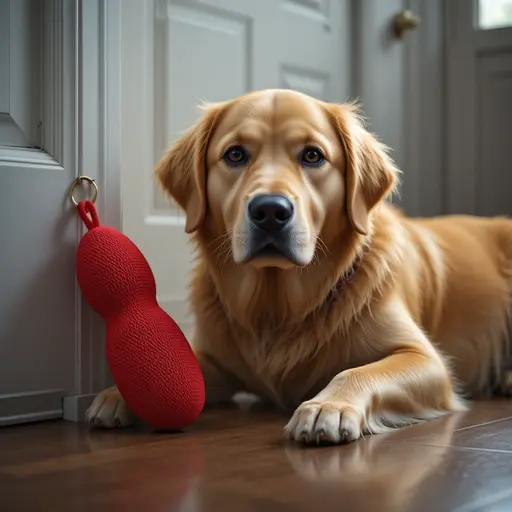
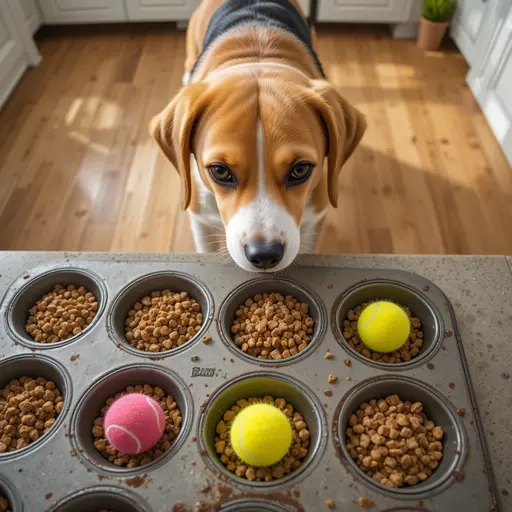
Practical examples illustrate the effect: a stuffed Kong given five minutes before departure keeps a dog engaged in licking and chewing, which lowers heart‑rate variability scores in studies; a simple muffin‑tin puzzle with tennis balls encourages sniffing and problem‑solving, reducing pacing and vocalization; for cats, a frozen broth cube in a shallow dish provides a long‑lasting licking challenge that occupies attention and diminishes meowing.
Expert Insight: “Mental stimulation isn’t just a distraction—it
actively rewires the stress response, giving pets a toolkit to
self‑soothe when their humans step out.” – Dr. Emily Blackwell,
Certified Veterinary Behaviorist, UC Davis.
By consistently pairing predeparture enrichment with a calm exit routine, owners can dampen the arousal spike that fuels separation anxiety, laying a foundation for longer, more relaxed alone periods.
Enrichment Foundations for Solo Periods
Effective alone‑time preparation relies on four core enrichment categories—food, sensory, environmental, and social—each of which can be adapted for periods when the pet is left by itself.
Food enrichment turns mealtime into a problem‑solving task. Puzzle feeders, stuffed Kongs, or frozen broth cubes compel the pet to work for calories, engaging foraging instincts and reducing idle time.
Sensory enrichment stimulates smell, hearing, or touch.
A simple scent trail made with pet‑safe spices, a low‑volume calming audio track, or a textured mat encourages exploration without requiring the owner’s presence.
Environmental enrichment modifies the space itself. Providing a safe, confined “alone‑time zone” with a comfortable bed, access to water, and a few novel objects (e.g., a cardboard tunnel or a rotating toy shelf) gives the pet predictability and choice.
Social enrichment need not involve another animal; it can be a recorded voice cue, a piece of clothing with the owner’s scent, or a brief, calm interaction before departure that signals a positive alone‑time match.
Matching enrichment to personality improves outcomes. High‑drive breeds (e.g., Border Collies, Australian Shepherds) often thrive on complex food puzzles and fast‑moving sensory games, while low‑energy pets (e.g., Basset Hounds, senior cats) may prefer slower, scent‑based challenges or gentle chew items.
A key principle behind food‑based tasks is contrafreeloading—the tendency of many animals to work for food even when identical food is freely available.
This behavior reflects an innate need for mental engagement; when pets earn their rewards, they experience greater satisfaction and lower stress than when food is simply presented.
Quick checklist for evaluating your pet’s current enrichment diet
- ☐ Does your pet receive at least one food‑based puzzle or chew per day?
- ☐ Are scent or sound elements introduced several times a week?
- ☐ Is the alone‑time area equipped with a comfortable resting spot and water?
- ☐ Do you rotate toys or challenges every 3‑4 days to maintain novelty?
- ☐ Does your pet show focused, calm engagement (sniffing, licking, pawing) rather than frantic or destructive behavior when left with enrichment?
If you answer “no” to any item, adjust the corresponding category before building your alone‑time routine.
Pre‑Departure Enrichment Routine
A consistent, three‑step routine helps pets transition smoothly from interaction to independent calm.
Step 1 – Calm lead‑up (2‑3 minutes)
Begin by lowering the household’s energy level. Speak softly, avoid rough play, and encourage the pet to settle on a mat or bed. Offer a brief petting session or a calm voice cue that signals “quiet time is coming.” This reduces arousal before enrichment is introduced.
Step 2 – Enrichment delivery (10‑20 minutes of focused activity)
Present the chosen enrichment item—such as a stuffed Kong, a muffin‑tin puzzle, or a scent trail—so the pet can engage immediately. The goal is sustained, purposeful interaction: licking, chewing, sniffing, or pawing that captures attention and channels mental energy.
Monitor the pet’s response; if they lose interest before 10 minutes, increase the challenge (e.g., freeze the Kong tighter or add a second puzzle). If they remain intensely focused past 20 minutes, allow the activity to continue but be ready to end it before you leave.
Step 3 – Brief quiet period before exit (2‑5 minutes)
Stop enrichment and give the pet a short window to finish the last bite or sniff and then settle. Avoid any sudden movements or farewells that could spike anxiety. During this interval, keep the environment low‑key: dim lights, minimal talking, and ensure the enrichment zone remains accessible.
Setting up the enrichment zone
Choose a quiet corner or room away from high‑traffic areas. Lay down a washable mat or blanket, place a fresh water bowl nearby, and arrange the enrichment toy within easy reach. Remove any hazards (loose cords, small objects) and consider adding a familiar‑scented item—like a worn T‑shirt—to provide comfort.
By pairing this dedicated space with the routine above, you create a predictable, low‑stress context that teaches the pet to associate alone time with calm, self‑directed engagement.
Commercial Products That Support Alone‑Time Enrichment
A well‑chosen product can provide the right level of challenge and durability while you’re away. Below are the main categories, their strengths and limitations, and practical tips for getting the most out of each.
Long‑lasting chews – Bully sticks, collagen chews, and dental treats offer sustained gnawing that satisfies the natural urge to chew and can keep a dog occupied for 15‑30 minutes. Pros: high palatability, helps maintain dental health, no batteries or parts to lose. Cons: calorie‑dense (adjust daily food intake), can become a choking hazard if the piece gets too small, and some aggressive chewers may finish them quickly. Always supervise the first few uses to gauge how long the chew lasts for your pet.
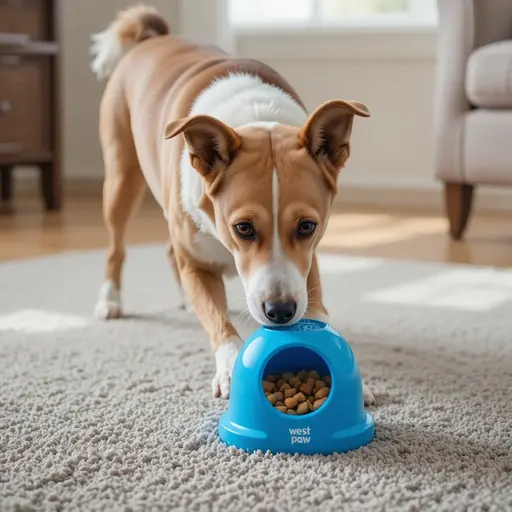
Treat‑dispensing toys – Kong Classic/Extreme, West Paw Toppl, and Nina Ottosson puzzles allow you to adjust difficulty by changing how tightly the food is packed or by selecting different internal shapes. Start with an easy setting (loosely packed kibble) and gradually increase the challenge as your pet masters each level. These toys work well for both dogs and cats; the Toppl’s open design is especially friendly for novice solvers, while Nina Ottosson’s sliding panels offer a higher cognitive load for experienced foragers.
Motion‑activated or battery‑operated toys – Products like the Petcube Play (laser‑pointer‑style) or Cheerble (self‑rolling ball) respond to movement, creating intermittent play bursts that can re‑engage a pet’s attention after an initial enrichment period. Pros: adds novelty without the owner’s presence; cons: battery life limits use, and some pets may become overstimulated if the toy runs continuously. Set a timer or use the product’s built‑in auto‑shut‑off feature to limit sessions to 5‑10 minutes.
Calming audio/visual options – Audio tracks such as Through a Dog’s Ear or specially composed cat‑specific playlists provide low‑frequency, rhythm‑based sound that can lower heart rate. For cats, a DVD or streaming video of birds, fish, or squirrels offers visual enrichment that encourages quiet watching. Use these as background enrichment rather than the sole activity; they pair well with a chew or puzzle toy.
Rotating for novelty – To prevent habituation, maintain a small rotation schedule: switch chew types every 3‑4 days, alternate between two treat‑dispensing toys every week, and introduce a new motion‑activated toy or audio track every two weeks. Keep a simple log (date, product, pet’s response) to identify which items sustain engagement longest.
Price‑point guide
- Budget (<$10): Basic Kong, DIY‑style treat balls, generic bully sticks, free calming audio from YouTube.
- Mid‑range ($10‑$25): West Paw Toppl, Nina Ottosson Level 1‑2 puzzles, Petcube Play (basic model), premium dental chews.
- Premium (>$25): Kong Extreme, high‑level Nina Ottosson puzzles, automated treat dispensers (e.g., PetSafe Funkitty), subscription‑based calming audio services.
By matching product difficulty to your pet’s skill level, monitoring wear and safety, and rotating on a regular schedule, commercial enrichment becomes a reliable component of an alone‑time prep routine that builds confidence and reduces anxiety.
Monitoring and Adjusting the Enrichment Plan
To ensure the alone‑time enrichment routine remains effective, observe how your pet interacts with each item and adjust as needed.
A pet camera—such as a Furbo, Pawbo, or similar model—lets you see in real time whether the animal is engaged (licking, chewing, sniffing, pawing calmly) or showing signs of distress (pacing, whining, scratching at doors, destructive chewing).
Pair this visual check with a simple enrichment log: record the date, the specific toy or activity used, the duration it was offered, and a brief note on observable behavior (calm, frustrated, or destructive). Over a week or two, patterns will emerge that guide adjustments.
If the pet loses interest quickly—finishing a puzzle in under five minutes or ignoring a chew after a sniff—it’s time to increase difficulty or rotate to a novel item.
Conversely, if consumption is extremely rapid (e.g., a bully stick gone in two minutes) or the pet becomes overly aroused, consider a tougher chew, a tighter‑packed Kong, or a shorter session to avoid overstimulation.
When you want to test whether the pet can tolerate longer periods without enrichment, fade the routine gradually: reduce enrichment time by two to three minutes every few days while maintaining the calm lead‑up and quiet‑exit steps. Monitor the log for any rise in anxiety‑related behaviors; if they appear, revert to the previous level.
Even after anxiety signs diminish, keep a baseline level of enrichment—such as a daily puzzle feeder or a weekly novel scent trail—to maintain mental flexibility and prevent relapse. Consistent, low‑dose mental stimulation continues to support emotional resilience long term.
When to Seek Professional Help
While enrichment can prevent or ease mild alone‑time stress, certain behaviors signal that anxiety has progressed beyond what routine mental stimulation can manage.
Red flags include persistent destructive chewing or scratching despite appropriate toys, self‑injury such as excessive licking or biting that causes hot spots, prolonged vocalization (howling, meowing, barking) that continues for the entire absence, and house‑soiling that occurs even when the pet has been enriched and given a pre‑departure routine. If these patterns appear consistently over several days, it’s time to consult a professional.
Enrichment remains a valuable component of a broader behavior‑modification plan but works best when combined with desensitization (gradually increasing alone‑time intervals), counterconditioning (pairing departure cues with highly rewarding experiences), and, when necessary, prescribed medication to lower baseline anxiety.
A veterinary behaviorist or certified trainer will first rule out medical contributors, then assess the pet’s specific triggers and design a step‑by‑step protocol that integrates enrichment at appropriate stages—such as offering a high‑value puzzle feeder during the counterconditioning phase or using a calming scent trail during desensitization trials.
During a consultation, expect a detailed history review, observation of the pet’s reaction to simulated departure cues, and a clear, written plan that outlines goals, timelines, and measurable outcomes. The professional may also demonstrate how to adjust enrichment difficulty or introduce novel items as the pet progresses.
Quick Reference Checklist for Alone‑Time Enrichment
Use this simple, repeatable list to keep your pet’s alone‑time routine effective and low‑stress.
Daily
- Provide 10‑20 minutes of focused enrichment (puzzle feeder, stuffed Kong, scent trail, or appropriate chew).
- Ensure fresh water is available, and the designated “enrichment zone” (quiet mat or bed with the toy within reach) is set up before you leave.
Weekly
- Rotate at least two different toys or puzzles to maintain novelty and prevent habituation.
- Inspect all enrichment items for wear, loose parts, or potential hazards; discard or repair anything unsafe.
Monthly
- Review your enrichment log: note which items kept your pet calmly engaged, which were ignored, and any signs of frustration.
- Adjust difficulty—for example, tighten a Kong pack, increase puzzle complexity, or swap to a longer‑lasting chew.
- Introduce a new scent (a pinch of pet‑safe herb) or a fresh calming audio track to renew sensory interest.
Emergency Backup
- Keep a pre‑stuffed Kong (filled with peanut butter, yogurt, or broth and frozen) in the freezer. It can be grabbed and given in seconds when you need an immediate, long‑lasting distraction.
Following this checklist helps you maintain a balanced, predictable enrichment plan that builds confidence and reduces the risk of separation‑related distress.
FAQs
How much enrichment should I give my pet before I leave?
Aim for 10‑20 minutes of focused enrichment activity that ends just before you depart, leaving a calm, occupied pet.
Can enrichment completely prevent separation anxiety?
Enrichment greatly reduces risk and severity but works best when combined with gradual desensitization and, if needed, professional guidance.
What are the safest DIY enrichment items for dogs left alone?
Use sturdy, non‑toxic materials like PVC pipes for treat puzzles, fleece braids for tug toys, and frozen broth in ice cubes for long‑lasting licking.
Should I leave food puzzles out all day?
It is better to offer them for a set period before you leave and then remove them to prevent over‑consumption and loss of novelty.
Is enrichment effective for cats with separation anxiety?
Yes, cats benefit from puzzle feeders, vertical climbing options, and scent trails that encourage independent exploration while you are away. How do I know if my pet is using the enrichment I provide?
Look for signs of engagement such as focused sniffing, chewing, or pawing, and review pet‑camera footage for calm, occupied behavior.
Can I use enrichment alongside medication for anxiety?
Enrichment is a complementary strategy; discuss any combined approach with your veterinarian or a certified behaviorist.
What enrichment works best for high‑energy breeds?
High‑energy dogs often need more physical‑mental hybrids like flirt poles, treat‑filled balls that roll, and agility‑style obstacle courses set up for solo play.
Should I rotate enrichment items?
Yes, rotating toys and puzzles every few days maintains novelty and prevents habituation.
Are there any enrichment items I should avoid leaving unsupervised?
Avoid items with small detachable parts, strings that could cause entanglement, or anything that could be swallowed whole.