



Proper nutrition requires following established Pet Feeding Guidelines tailored to your animal’s specific age, weight, and daily activity level. Always measure portions accurately and consult your veterinarian to determine the precise dietary needs required for maintaining optimal health and longevity throughout their life.
Understanding these standards prevents obesity and nutrient deficiencies. This guide breaks down portion control, scheduling, and ingredient quality to ensure your companion thrives at every life stage.
Decoding Basic Nutritional Requirements
Before diving into schedules and portions, it is crucial to understand what constitutes a balanced diet. While dogs and cats are both carnivores by classification, their nutritional needs differ significantly.
Dogs are omnivores capable of digesting a wide variety of foods, including vegetables and grains. Cats, however, are obligate carnivores. This means their bodies require nutrients found only in animal flesh, such as taurine and arachidonic acid.
A balanced diet generally consists of three macronutrients: proteins, fats, and carbohydrates. Protein is the building block for muscles, tissues, and enzymes.
High-quality animal protein should always be the first ingredient in your pet’s food. Fats provide energy and support healthy skin and coats.
They also help absorb vital vitamins. Carbohydrates offer a source of quick energy and fiber, which aids in digestion.
Micronutrients, including vitamins and minerals, are equally important. Calcium and phosphorus support bone health, while antioxidants like Vitamin E and C boost the immune system.
The Association of American Feed Control Officials (AAFCO) sets the standards for nutrient profiles in pet food. When shopping, look for the AAFCO statement on the label, which confirms the food meets minimum nutritional requirements for a specific life stage. You can learn more about these standards on the AAFCO website.
Ignoring these basic needs can lead to severe health consequences. For example, a cat fed a dog food diet long-term may develop heart failure due to taurine deficiency.
Conversely, feeding a dog a diet too high in protein without adequate exercise can strain their kidneys. Understanding these distinctions is the first step in applying effective Pet Feeding Guidelines to your daily routine.

Life Stage Matters: Puppy, Adult, and Senior
One size does not fit all when it comes to nutrition. A growing puppy has vastly different energy requirements than a sedentary senior dog. Adjusting your feeding strategy as your pet ages is critical for preventing health issues later in life.
Puppies and Kittens
Young animals are in a rapid growth phase. They require more calories, protein, and specific minerals like calcium to support bone development. Large breed puppies, in particular, need controlled growth rates to prevent joint issues like hip dysplasia.
Feeding them a formula specifically designed for large breeds helps manage calcium levels. Kittens need frequent meals—often three to four times a day—because their stomachs are small but their energy expenditure is high.
Adult Pets
Once your pet reaches adulthood, usually around one year of age, their growth stabilizes. The goal shifts from growth to maintenance. Overfeeding during this stage is a common pitfall.
Many adult pets become less active than they were as juveniles, but owners often continue feeding the same portion sizes. This leads to weight gain. Adult maintenance formulas are calibrated to provide enough energy without excess calories.
Senior Pets
As pets enter their senior years, their metabolism slows down. They may become less active due to arthritis or other age-related conditions. Senior diets often feature fewer calories and added joint supplements like glucosamine.
However, some older pets struggle to absorb nutrients efficiently. In these cases, a highly digestible diet with higher-quality protein might be necessary to prevent muscle loss.
Regular veterinary check-ups are essential during this phase to adjust dietary plans as health needs change. The American Veterinary Medical Association (AVMA) recommends regular wellness exams to monitor these changes.
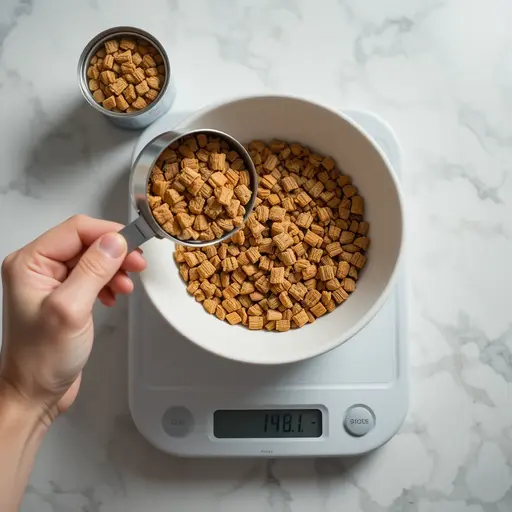
How to Calculate Portion Sizes
One of the most common questions owners ask is, “How much should I feed my pet?” The feeding charts on the back of food bags are a good starting point, but they are often generalized.
They account for average activity levels and may not suit your specific pet. To get precise, you need to understand Resting Energy Requirements (RER) and Daily Energy Requirements (DER).
The RER Formula
The RER is the number of calories your pet needs to maintain basic bodily functions while at rest. The formula is:
RER = 70 × (Body Weight in kg)^0.75
For example, a 10kg dog would have an RER of approximately 393 calories.
Adjusting for Activity (DER)
Once you have the RER, you multiply it by a factor based on their lifestyle to get the DER.
- Neutered Adult: RER × 1.6
- Intact Adult: RER × 1.8
- Weight Loss: RER × 1.0
- Highly Active/Working: RER × 2.0 to 5.0
This math might seem daunting, but many online calculators can do it for you. The key takeaway is that a neutered indoor dog needs significantly fewer calories than an intact working dog of the same weight. Using these calculations ensures you are following science-based Pet Feeding Guidelines rather than guessing.
Always weigh your pet regularly. If they are gaining weight, reduce the portion by 10%. If they are losing weight or look too thin, increase it slightly.
Body condition scoring is more important than the number on the scale. You should be able to feel their ribs without pressing hard, and they should have a visible waist when viewed from above.
Wet Food vs. Dry Food: Pros and Cons
The debate between wet and dry food is ongoing. Both have their place in a healthy diet, and the best choice often depends on your pet’s specific health needs and your budget.
Dry Food (Kibble)
Dry food is the most popular option for convenience. It is cost-effective, easy to store, and helps keep the food fresh for longer periods.
Some studies suggest that crunchy kibble can help reduce tartar buildup on teeth, although it is not a substitute for brushing.
It is also energy-dense, meaning you feed a smaller volume compared to wet food. However, dry food typically contains only about 10% moisture.
For cats, who often have a low thirst drive, this can contribute to chronic dehydration and urinary tract issues.
Wet Food (Canned)
Wet food contains significantly more moisture, often around 75-85%. This helps keep pets hydrated, which is particularly beneficial for cats prone to kidney or urinary problems.
Wet food is also often more palatable, making it a great choice for picky eaters or seniors with dental pain. The downside is the cost and storage.
Once opened, cans must be refrigerated and used within a few days. It is also less energy-dense, so you need to feed a larger volume to meet calorie needs.
The Hybrid Approach
Many veterinarians recommend a combination of both. You might feed dry food during the day for convenience and add a small amount of wet food at dinner for hydration and enrichment.
This allows you to balance the benefits of both types while managing costs. Regardless of the type you choose, ensure it meets the nutritional standards discussed earlier.
Establishing a Feeding Schedule
Consistency is key when implementing Pet Feeding Guidelines. Pets thrive on routine, and a predictable schedule helps with digestion and house training.
Meal Feeding vs. Free Feeding
Meal feeding involves providing specific portions at set times, usually twice a day for adults. This is the recommended method by most veterinarians.
It allows you to monitor your pet’s appetite. If they skip a meal, you know immediately that something might be wrong. It also prevents competition in multi-pet households.
Free feeding, or leaving food out all day, is common but often leads to overeating. It makes it difficult to track how much your pet is actually consuming.
If you have a pet prone to obesity, free feeding should be avoided. However, for some nursing mothers or underweight animals, free feeding high-calorie food might be temporarily necessary.
Timing Matters
Try to feed your pets at the same time every day. For dogs, feeding after a walk can help establish a routine for bathroom breaks.
Avoid vigorous exercise immediately after a large meal, especially for large-breed dogs, as this can increase the risk of bloat (gastric dilatation-volvulus).
Cats often prefer grazing, but scheduled meals can help manage weight. Interactive feeders or puzzle toys can slow down fast eaters and provide mental stimulation.
Common Feeding Mistakes to Avoid
Even well-meaning owners can make mistakes that impact their pet’s health. Being aware of these pitfalls can help you stay on track.
- Ignoring Treat Calories: Treats should not make up more than 10% of your pet’s daily caloric intake. It is easy to overlook the calories in a few dog biscuits or cat treats, but they add up quickly.
- Feeding Human Food: While some human foods are safe, many are toxic. Onions, garlic, chocolate, grapes, and xylitol are dangerous for pets. Even safe foods like table scraps can disrupt the balance of their commercial diet.
- Switching Food Too Quickly: Changing diets abruptly can cause gastrointestinal upset, leading to vomiting or diarrhea. Transition over 7-10 days by gradually mixing the new food with the old.
- Assuming “Natural” Means Better: Marketing terms like “natural” or “holistic” are not strictly regulated. Always look for the nutritional adequacy statement rather than buzzwords.
- Neglecting Water: Fresh water should always be available. Dehydration can happen quickly, especially in hot weather or if feeding dry food exclusively.
For a list of toxic foods, you can refer to the resources provided by VCA Animal Hospitals.
FAQs
How often should I change my pet’s food?
There is no medical need to rotate proteins frequently if your pet is healthy and thriving on their current diet. However, some owners rotate to prevent boredom or mitigate potential supply issues. If you do switch, do it gradually.
Are grain-free diets better for pets?
Not necessarily. Unless your pet has a diagnosed grain allergy (which is rare), grains provide valuable nutrients. Some studies have linked certain grain-free diets to heart issues in dogs. Consult your vet before switching to grain-free.
My pet is a picky eater. What should I do?
Ensure there are no underlying health issues. If healthy, stick to a schedule. Put the food down for 20 minutes, then remove it until the next meal. Avoid offering treats or human food as alternatives, as this reinforces picky behavior.
Can I feed my dog cat food?
Occasionally, a bite won’t hurt, but it should not be a habit. Cat food is much higher in protein and fat, which can lead to obesity and pancreatitis in dogs over time.

Conclusion
Navigating the world of pet nutrition doesn’t have to be overwhelming. By focusing on quality ingredients, appropriate portion sizes, and consistent schedules, you can set your pet up for a long, healthy life.
Remember that Pet Feeding Guidelines are not static; they should evolve as your pet ages and their health status changes.
The most important tool you have is your relationship with your veterinarian. They can help you interpret body condition scores and adjust diets for specific medical needs.
Whether you choose wet, dry, or a combination, consistency and observation are key. Watch your pet’s energy, coat, and weight.
These are the true indicators of a successful diet. With the right knowledge and care, every meal becomes an opportunity to support your companion’s well-being.