



The Danish-Swedish Farmdog is a small, high-energy working breed from Scandinavia, known for its agility, loyalty, and sharp intelligence. In January 2025, it became the American Kennel Club’s newest recognized breed, the 202nd overall, competing in the Working Group. Active families, hikers, and dog-sport enthusiasts tend to be the best match, since this dog was bred to have a job and expects one.
Read on for what daily life, training, and care actually look like with a Danish-Swedish Farmdog.
Key takeaways:
- The Danish-Swedish Farmdog earned full AKC recognition on January 2, 2025, becoming the club’s 202nd breed and joining the Working Group.
- Adults stand about 12.5–14.5 inches tall, weigh 15–20 pounds, and typically live 11–15 years.
- Their coat is a single short, smooth layer, not a double coat, so grooming stays light.
- Plan on 60–90 minutes of purposeful daily activity; a quick walk alone won’t be enough to prevent boredom-driven mischief.
- Early, positive-reinforcement training and structured socialization suit this breed’s intelligence and sensitivity best.
History and Origin of the Danish-Swedish Farmdog
The Danish-Swedish Farmdog isn’t a new invention; skeletal remains resembling the breed have turned up in Viking burial sites roughly 1,000 to 1,200 years old. For most of its history, though, it worked quietly on small farms in Denmark and southern Sweden, controlling vermin, doing light herding, and guarding the homestead.
As small farms modernized through the late 1800s and 1900s, the breed’s population declined sharply, and it came close to disappearing. The Danish and Swedish Kennel Clubs stepped in to save it, and in 1987 the two countries jointly recognized it as an official breed. It was previously known as the Danish Pinscher.
The breed’s momentum has only grown since. Here’s the timeline:
| Year | Milestone |
|---|---|
| ~1,000–1,200 years ago | Viking-era skeletal remains resembling the breed found at Scandinavian burial sites |
| 1700s–1800s | Established as a multipurpose farm dog across Denmark, southern Sweden, and neighboring regions |
| Late 1800s–1900s | Industrialization shrinks small farms; the breed’s numbers decline sharply, nearing extinction |
| 1987 | Denmark and Sweden’s kennel clubs jointly recognize the Danish-Swedish Farmdog as an official breed |
| 2011 | Enters the AKC’s Foundation Stock Service (FSS) program in the U.S. |
| 2019 | Recognized internationally by the Fédération Cynologique Internationale (FCI) |
| 2021 | Admitted to the AKC’s Miscellaneous Class |
| Jan. 2, 2025 | Granted full AKC recognition as the 202nd breed, joining the Working Group |
Today, the Danish-Swedish Farmdog is enjoying its highest profile yet in the U.S., with around 350–400 dogs nationwide, still rare enough that most people will ask what breed yours is.

Physical Characteristics of the Danish-Swedish Farmdog
The Danish-Swedish Farmdog is a compact, slightly rectangular dog built for stamina rather than size. Males stand roughly 13.5–14.5 inches (34–37 cm) at the shoulder, with females a touch smaller at 12.5–14 inches (32–36 cm). Weight generally falls between 15–20 lb (7–9 kg).
| Measurement | Range |
|---|---|
| Height (male) | 13.5–14.5 in (34–37 cm) |
| Height (female) | 12.5–14 in (32–36 cm) |
| Weight | 15–20 lb (7–9 kg) |
| Lifespan | 11–15 years |
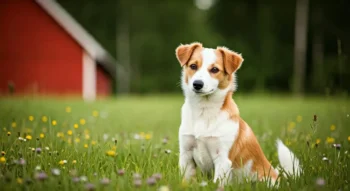
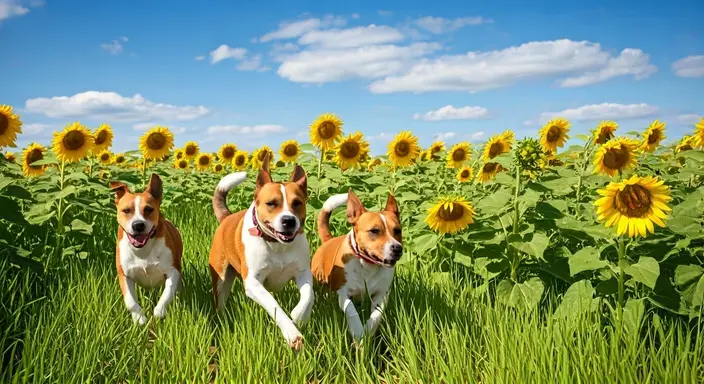
Coat and Color – This is a single-coated breed: short, hard, and smooth, lying close to the body, not a double coat with an undercoat. White dominates the coat, with patches of black, brown, agouti, yellow, or various shades of tan and fawn across the body and head; light flecking within the white areas is common.
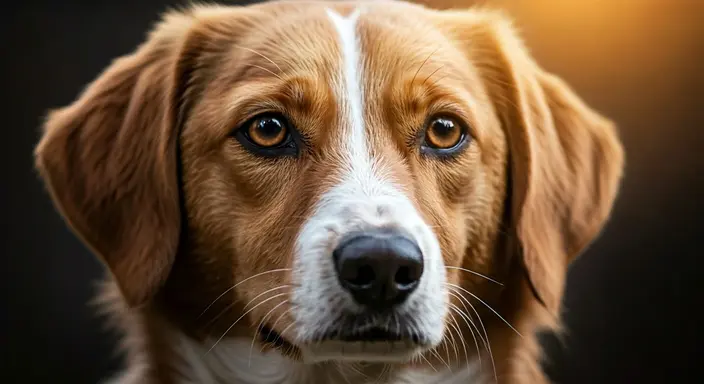
Head and Ears – The head is wedge-shaped with a well-defined stop. Ears are semi-erect, folding forward at the tip, giving the dog a naturally alert expression.
Tail – The tail may be long or a natural bobtail; both are correct for the breed and are carried in a gentle upward curve when the dog is alert or excited.
These physical traits make the Danish-Swedish Farmdog well-suited for active pursuits, while its manageable size fits comfortably in most homes.
Temperament and Personality of the Danish-Swedish Farmdog
The Danish-Swedish Farmdog is celebrated for a temperament that blends enthusiasm with a gentle heart. Its lively spirit makes it an eager participant in family activities, yet it stays sensitive to the tone of its owner’s voice.
Key personality traits include:
- High Energy – Always ready for the next walk, hike, or game of fetch.
- Intelligence – Learns new commands quickly and enjoys problem-solving games.
- Loyalty – Forms strong bonds with its primary family and often follows them from room to room.
- Alertness – Serves as an effective watchdog without being overly aggressive.
- Playfulness – Retains a puppy-like enthusiasm well into adulthood.
Because of this mix of traits, the Danish-Swedish Farmdog thrives when given a purpose, whether that’s a structured training session, a family sport, or a simple puzzle toy. When mental and physical needs are met, the breed is known for being calm and affectionate at home.
Exercise Requirements & Why It Suits Active Lives
An active lifestyle is the lifeblood of the Danish-Swedish Farmdog. Without adequate exercise, the breed may become restless or develop unwanted habits. The following routine keeps the dog fit, happy, and well-behaved:
- Morning Brisk Walk (30 min) – A fast-paced walk on varied terrain stimulates both mind and muscles.
- Interactive Play (15 min) – Games such as fetch, tug-of-war, or frisbee tap into the dog’s natural chase instinct.
- Agility or Obedience Training (20 min, 3×/week) – Structured sessions teach focus and provide mental stimulation.
- Weekend Hike or Trail Run (1–2 hrs) – Longer outings satisfy the breed’s endurance and love of the outdoors; it’s a natural fit for our list of best dog breeds for hiking and outdoor adventures.
- Free-Run Time in a Secure Yard (Daily) – Allowing the dog to explore, sniff, and sprint safely rounds out daily activity.
These activities not only meet the breed’s physical needs but also reinforce the strong bond between dog and owner, an essential factor for families that enjoy outdoor adventures together.
Training, Intelligence, and Problem-Solving
Training a Danish-Swedish Farmdog is a rewarding experience, thanks to its eagerness to learn and natural problem-solving ability. Consistent, positive reinforcement works best; harsh corrections can dampen the breed’s enthusiasm.
Helpful training tips:
- Start Early – Begin basic commands and house-training at 8 weeks to establish good habits.
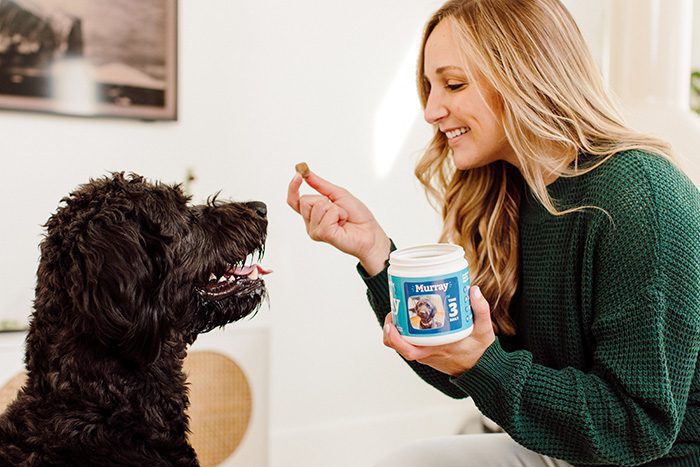
- Use High-Value Rewards – Small pieces of cooked chicken, cheese, or commercial training treats keep motivation high.
- Keep Sessions Short – 5-to-10-minute sessions maintain focus and prevent boredom.
- Incorporate Games – Puzzle toys, hide-and-seek, and scent trails turn learning into play.
- Gradual Distractions – Progress from a quiet room to a busy park, teaching reliability in any environment.
Because the Danish-Swedish Farmdog enjoys challenges, consider enrolling in dog sports such as rally obedience, flyball, or tracking. These activities sharpen mental acuity, improve obedience, and provide an excellent outlet for the breed’s natural curiosity.
Socialization and Compatibility with Children and Other Pets
A well-socialized Danish-Swedish Farmdog easily fits into multi-pet households and active families. Proper early exposure creates a confident, friendly dog that respects boundaries while staying enthusiastic.
Guidelines for successful socialization:
- Puppy Classes – Structured classes introduce the dog to other puppies and people in a controlled setting; our puppy socialization steps guide walks through the process week by week.
- Controlled Introductions – Use leashes and positive reinforcement when meeting cats, small animals, or unfamiliar dogs.
- Supervised Play with Kids – Teach children to handle the dog gently; supervise all interactions until trust is established.
- Gradual Noise Exposure – Play recordings of traffic, fireworks, or household appliances to reduce fear responses.
When socialized correctly, the Danish-Swedish Farmdog is known for being gentle with children, tolerant of other pets, and eager to join family activities. Its protective instinct is balanced by a friendly disposition, making it an ideal companion for active households. Because the breed has a working history as a ratter, supervise early introductions to small pets like rabbits or guinea pigs, since prey drive can surface without consistent socialization.
Danish-Swedish Farmdog Health and Longevity
Overall, the Danish-Swedish Farmdog is a robust breed with a typical lifespan of 11–15 years when given proper care. Like any breed, it can be predisposed to a handful of hereditary conditions that owners should monitor.
Common health concerns:
- Hip Dysplasia – Joint laxity that may cause arthritis; regular exercise and weight control help mitigate risk.
- Patellar Luxation – Dislocation of the kneecap; one of the more frequently reported orthopedic issues in the breed, though most cases are mild and manageable.
- Eye Conditions – Cataracts and primary lens luxation (PLL) are the eye issues most associated with the breed; DNA testing for PLL is available, so ask breeders about screening.
- Dental Disease – Like many small and medium breeds, Danish-Swedish Farmdogs are prone to plaque buildup; regular brushing helps prevent it.
This is a general risk profile, not a diagnosis; an individual dog’s health depends on genetics, breeding, and care. Always consult your veterinarian with specific concerns.
Recommended health-screening schedule
| Age | What to check |
|---|---|
| 8 weeks | Full physical exam, fecal/parasite screening, first vaccines, weight and body condition baseline |
| 6 months | Wellness exam, deworming, continue vaccine series, spay/neuter conversation with your vet |
| 1 year | Hip and patella evaluation, eye exam, baseline bloodwork, dental check |
| 2–7 years (adult) | Annual wellness exam, weight and body condition check, dental cleaning as needed, heartworm test |
| Senior (8+ years) | Twice-yearly exams, bloodwork including thyroid and kidney values, joint/mobility assessment, eye recheck |
Routine vet visits, a balanced diet, and regular exercise keep the Danish-Swedish Farmdog healthy and vibrant well into its senior years.
Grooming and Coat Care
The Danish-Swedish Farmdog’s short, smooth coat is low-maintenance by design; there’s no undercoat to blow out seasonally and no fur that mats, but a consistent routine still keeps the dog looking and feeling its best.
Grooming routine:
- Brushing – Weekly with a rubber curry brush or grooming mitt removes loose hair and keeps the coat glossy.
- Bathing – Once every 6–8 weeks or as needed; use a mild, dog-specific shampoo to protect skin oils.
- Ear Cleaning – Check weekly for debris; wipe gently with a cotton ball and a vet-approved ear cleaner.
- Nail Trimming – Every 3–4 weeks; keep nails short to avoid joint strain.
- Dental Care – Brush teeth 2–3 times per week with a soft canine toothbrush and toothpaste.
Like most short-coated breeds, shedding stays fairly consistent year-round, with a slight uptick in spring, rather than the heavy seasonal “blow-outs” double-coated breeds go through. Regular grooming sessions also give you a chance to check for skin issues, parasites, or injuries.
Nutrition and Feeding Guidelines
A well-balanced diet fuels the Danish-Swedish Farmdog’s active lifestyle and supports joint health, bright eyes, and a glossy coat.
Key feeding recommendations:
- High-Quality Protein – Choose foods with named animal proteins (e.g., chicken, fish) as the first ingredient.
- Moderate Fat – 12–15% fat supports energy needs without excess weight gain.
- Omega-3 Fatty Acids – Adding fish oil or foods rich in DHA/EPA promotes joint health and reduces inflammation.
- Portion Control – Feed 2–3 meals per day for adults; adjust portions based on activity level and body condition score.
- Life-Stage Formulas – Puppies require a growth formula; seniors benefit from joint-support additives and lower calorie density.
Sample daily feeding guide (for a 20-lb adult dog):
- Morning – ½ cup of dry kibble mixed with 1 Tbsp canned wet food.
- Evening – ½ cup of dry kibble plus a handful of fresh vegetables (carrots, green beans).
Always provide fresh water, and avoid feeding large bones, grapes, raisins, or foods high in sodium. Consulting a veterinarian for a personalized nutrition plan is especially advisable for dogs with health concerns such as allergies or hip dysplasia.
Living Environment: Home, Apartment, or Farm?
The adaptability of the Danish-Swedish Farmdog makes it suitable for a range of living situations, as long as its exercise and mental stimulation needs are met.
- House with Yard – Ideal; the dog can enjoy supervised off-leash time, dig, and explore while staying safe.
- Apartment (≥ 500 sq ft) – Works well if the owner commits to multiple daily walks, indoor games, and occasional trips to a dog park; see our list of apartment-friendly dog breeds for more space-saving strategies.
- Farm or Rural Property – The breed’s heritage shines here; ample space for herding drills, tracking, and field work keeps the dog fulfilled.
Regardless of setting, the Danish-Swedish Farmdog requires at least 60–90 minutes of purposeful activity each day. Without this, the dog may become bored and develop destructive behavior. Providing interactive toys, puzzle feeders, and regular training sessions helps bridge any activity gaps in smaller living spaces.
Choosing a Danish-Swedish Farmdog: Adoption, Breeder, or Rescue
Finding the right Danish-Swedish Farmdog starts with clear expectations and responsible sourcing.
Steps to secure a healthy, well-tempered companion:
- Assess Your Lifestyle – Confirm you can meet the breed’s exercise, training, and grooming requirements.
- Research Reputable Breeders – Look for members of the Danish-Swedish Farmdog Club of America (the AKC parent club) or Scandinavian breed clubs, and ask for hip, patella, and eye health clearances.
- Visit the Facility – Observe the environment; puppies should be raised in a clean, social setting with exposure to people and stimuli.
- Consider Rescue Groups – The breed is still uncommon in the U.S., so rescue dogs can be harder to find than with more established breeds, but breed clubs can point you toward dogs needing new homes.
- Ask the Right Questions – Inquire about the puppy’s lineage, vaccination record, and any known health issues.
After selection, schedule a veterinary check-up within the first week and begin a gradual acclimation to your home routine. Proper early care sets the stage for a happy, lifelong partnership.
Puppy Care Essentials
Welcoming a Danish-Swedish Farmdog puppy brings joy and responsibility. The first months lay the foundation for behavior, health, and social development.
Essential puppy-care checklist:
- House-Training – Use a consistent schedule; take the puppy out after meals, play, and naps. Crate training can speed up the process and give your puppy a safe den space.
- Vaccination Protocol – Puppy vaccines typically start at 6–8 weeks, with boosters roughly every 3–4 weeks until 16 weeks, then a booster at one year; your veterinarian will confirm the exact schedule for your puppy.
- Socialization – Expose the puppy to varied sounds, surfaces, people, and other vaccinated dogs during the critical 3–16 week window.
- Basic Commands – Teach “sit,” “stay,” “come,” and “leave it” using short, fun sessions.
- Nutrition – Provide a high-quality puppy formula; feed 3–4 small meals daily, adjusting portions as the puppy grows.
Monitoring weight gain, dental development, and energy levels helps catch potential health concerns early. With patience, consistency, and plenty of love, your Danish-Swedish Farmdog pup will grow into a confident, well-behaved adult.
FAQs
Are Danish-Swedish Farmdogs good for first-time dog owners?
Yes. Their intelligence and eagerness to please make training straightforward, and their moderate size fits well in most homes. New owners should commit to daily exercise and consistent socialization.
Is the Danish-Swedish Farmdog an AKC-recognized breed?
Yes. The AKC granted the Danish-Swedish Farmdog full recognition on January 2, 2025, making it the club’s 202nd breed and a member of the Working Group. Denmark and Sweden’s kennel clubs recognized it domestically back in 1987, and the FCI followed in 2019.
How much grooming does a Danish-Swedish Farmdog need?
Not much. Their short, smooth coat needs only weekly brushing with a rubber curry brush or grooming mitt, plus routine ear, nail, and dental care. There’s no undercoat to manage, so sessions stay quick.
Do they get along with cats?
Generally, yes. Early, supervised introductions and positive reinforcement help the Danish-Swedish Farmdog view cats as part of the family rather than prey.
What is the average lifespan of a Danish-Swedish Farmdog?
When cared for properly, they typically live 11–15 years. A balanced diet, regular vet visits, and adequate exercise all contribute to longevity.
Can the breed thrive in an apartment?
Provided the owner supplies at least an hour of vigorous activity daily and mental stimulation through training, games, and puzzle toys.
Conclusion
The Danish-Swedish Farmdog blends a rich working-dog heritage with a vibrant, affectionate personality, making it an ideal partner for active individuals and families, and its January 2025 AKC recognition means more people will get the chance to meet one.
Its compact size, keen intelligence, and loyalty shine brightest when paired with regular exercise, structured training, and ample social interaction. By understanding the breed’s history, physical traits, health considerations, and daily care needs, you can provide a thriving environment that honors its farm-dog roots while fitting modern lifestyles.
Start with a reputable source, whether a breed club, breeder, or rescue contact, and commit to a routine of physical activity, mental enrichment, and preventive health care. With these steps, you’ll enjoy a lifelong companion that eagerly joins every hike, game, and adventure you embark upon.