


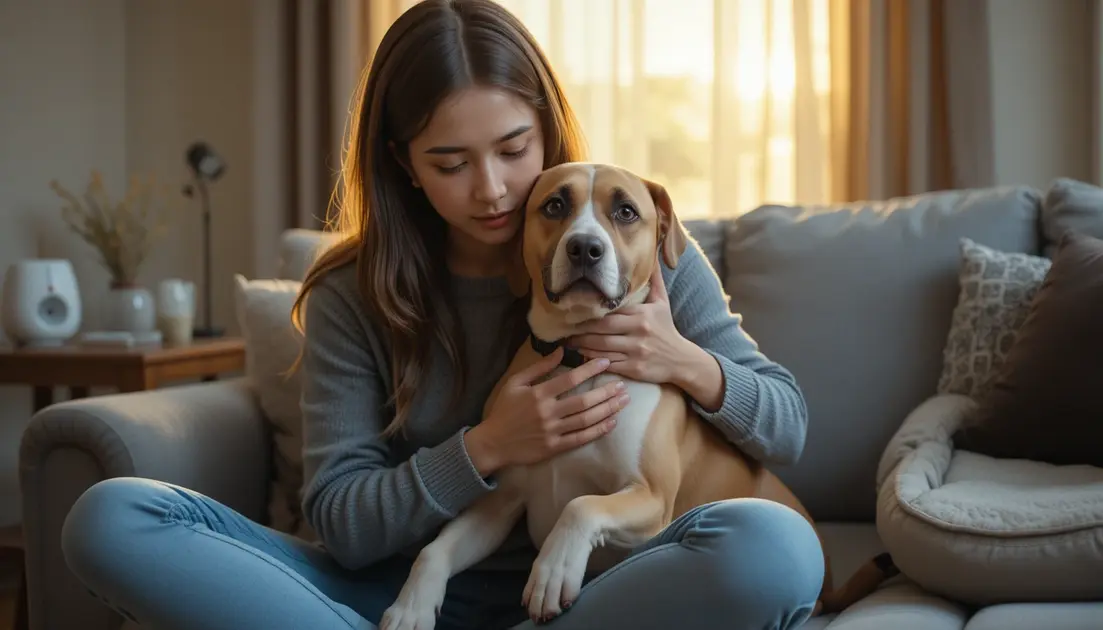
Calming an anxious pet involves identifying triggers, establishing secure routines, and applying evidence-based techniques like desensitization training, adequate exercise, and veterinarian-approved calming aids.
With consistent positive reinforcement, most pets show measurable improvement in anxiety symptoms within 2-4 weeks. Understanding your pet’s anxiety is crucial for their well-being.
This guide covers proven strategies, product recommendations, and expert insights to help your furry companion feel safe and relaxed.
Understanding Pet Anxiety: Causes and Warning Signs
Pet anxiety affects approximately 70% of dogs and cats at some point in their lives, according to veterinary behavior research. Recognizing the root causes and early warning signs allows you to intervene before stress escalates into destructive behaviors or health complications.
Common Triggers of Pet Anxiety
Anxiety doesn’t appear randomly. Specific stimuli and situations typically provoke fear responses:
- Separation: Being left alone ranks as the most common anxiety trigger, especially for dogs bonded to remote workers returning to office schedules.
- Loud Noises: Thunderstorms, fireworks, construction sounds, and even vacuum cleaners can trigger panic.
- Environmental Changes: Moving homes, new furniture arrangements, or visiting relatives disrupt your pet’s sense of security.
- Past Trauma: Rescue animals often carry anxiety from neglect, abuse, or inadequate socialization during critical developmental periods.
- Medical Conditions: Pain, cognitive decline in senior pets, and thyroid imbalances frequently manifest as anxious behaviors.
Identifying your pet’s specific triggers requires careful observation. Keep a simple behavior log, noting what happened immediately before anxious episodes. Patterns typically emerge within two weeks of consistent tracking.
Recognizing Anxiety Signals in Dogs
Dogs express anxiety through both subtle and obvious behaviors. Early signals include:
- Lip licking and yawning when not tired
- Whale eye (showing whites of eyes)
- Excessive panting without physical exertion
- Pacing or inability to settle
- Destructive chewing directed at doorways or windows
Advanced anxiety manifests as:
- House soiling despite being house-trained
- Continuous barking or howling when alone
- Escalating aggression toward people or other animals
- Self-harm from obsessive licking or chewing
anxiety behaviors are not voluntary or spiteful—they’re genuine panic responses requiring medical understanding, not punishment.
Recognizing Anxiety Signals in Cats
Cats mask anxiety more effectively than dogs, making their signals easier to miss. Watch for:
- Over-grooming resulting in bald patches, particularly on the belly and legs
- Inappropriate urination or defecation outside the litter box
- Hiding for extended periods, especially in normally social cats
- Aggression when being approached or handled
- Loss of appetite or reduced playfulness
- Excessive vocalization, particularly at night
Feline anxiety often appears as redirected aggression, where a cat startled by an outdoor cat attacks a housemate or owner instead. This misdirected response stems from frustration and fear, not true aggression.
When Anxiety Becomes a Medical Issue
Chronic anxiety triggers the release of cortisol and adrenaline, stress hormones that damage organs when elevated long-term. Pets experiencing anxiety more than three times weekly require veterinary evaluation.
Your vet may recommend blood work to rule out medical contributors and assess whether pharmaceutical intervention becomes necessary for your pet’s quality of life.

Foundational Strategies for Calming an Anxious Pet
Before exploring products or medications, establish these core environmental and behavioral foundations. Veterinary behaviorists consistently report that pets responding to these basics require less intensive interventions.
Creating a Safe Zone
Every anxious pet needs a designated sanctuary—a space where stressors cannot reach them. This isn’t simply a crate or corner; it’s a carefully engineered environment.
Location Requirements:
- Away from windows if outdoor triggers exist
- Interior rooms work best for noise-sensitive pets
- Accessible at all times, never used for punishment
- Temperature-controlled and comfortable
Essential Elements:
- Your pet’s favorite bed or blanket with familiar scents
- Water bowl that won’t tip during panic
- White noise machine or calming music specifically designed for pets (lower frequencies and slower tempos)
- For cats: elevated perches and hiding boxes
- For dogs: covered crate with door removed to prevent confinement stress
Introduce this space gradually. Feed meals there, provide high-value treats, and spend calm time together in the area. This positive association-building takes 7-10 days but creates a lifelong retreat.
The Power of Predictable Routines
Anxiety thrives on unpredictability. Establishing a consistent daily schedule reduces uncertainty and gives your pet confidence about what happens next.
Morning Routine:
- Wake at the same time daily, even on weekends
- Potty break/walk follows immediately
- Breakfast at a set time in the same location
- Brief play session before your departure
Departure Routine:
- Perform the same 3-5 actions in identical order before leaving (grabbing keys, putting on shoes, etc.)
- Keep departures and returns low-key—no emotional goodbyes
- Provide a special food puzzle or long-lasting treat that only appears when you leave
Evening Routine:
- Exercise at consistent times
- Dinner schedule that never varies by more than 30 minutes
- Wind-down period with calm interactions
- Bedtime ritual (specific treats, last potty break, settling commands)
Research from the Animal Behavior Society shows that pets on strict routines exhibit 40% fewer anxiety behaviors than those with unpredictable schedules. The routine itself becomes a calming cue.
Exercise as Natural Anxiety Relief
Physical activity burns off anxious energy and releases endorphins that naturally calm your pet. However, quality matters more than quantity.
For Dogs:
- 30-45 minutes of aerobic exercise (running, swimming, fetch) reduces cortisol levels for 6-8 hours
- Sniff walks (allowing leisurely scent investigation) provide mental exhaustion equivalent to double the physical exercise time
- Exercise must occur 2+ hours before anticipated stress events to allow adrenaline levels to normalize
For Cats:
- Three 10-minute intense play sessions daily with wand toys mimicking prey movement
- Food puzzles that require hunting behavior
- Cat wheels or supervised outdoor leash time for high-energy individuals
A study in the Journal of Veterinary Behavior found that dogs receiving adequate daily exercise showed a 60% reduction in separation anxiety behaviors compared to under-exercised controls.
The key is consistency—sporadic marathon sessions on weekends don’t provide the same benefit as daily moderate activity.
Behavior Modification Techniques That Work
Environmental management alone rarely resolves moderate to severe anxiety. Targeted behavior modification addresses the emotional response itself, creating lasting change.
Desensitization and Counter-Conditioning
These twin techniques form the gold standard for treating pet anxiety, backed by decades of behavioral science.
Desensitization involves exposing your pet to the anxiety trigger at such a low intensity that no fear response occurs. For noise phobia, this means playing recorded thunder at barely audible volumes. For separation anxiety, it means practicing 5-second departures.
Counter-conditioning pairs the trigger with something your pet loves, changing the emotional association. If thunder predictably leads to chicken treats, thunder eventually predicts good things.
Implementation Protocol:
- Identify your pet’s threshold—the point where they notice the trigger but remain calm enough to eat treats
- Present the trigger at sub-threshold intensity for 5-10 seconds
- Immediately provide high-value rewards
- Repeat 10-15 times per session, always ending on success
- Gradually increase trigger intensity over weeks or months
A veterinary behaviorist-designed program typically requires 8-12 weeks for noticeable improvement. Rushing the process by increasing intensity too quickly reinforces fear and sets back progress.
Positive Reinforcement vs. Punishment
Punishing anxious behaviors—whether through scolding, shock collars, or physical corrections—exacerbates anxiety. The pet learns that their fear signals bring punishment, so they suppress warnings and escalate directly to biting or escape attempts.
Effective Positive Reinforcement Strategies:
- Reward calm behaviors your pet offers naturally (lying down, relaxed posture)
- Use a marker word (“yes”) or clicker to precisely identify desired behaviors
- Calmly deliver treats; excited praise can increase arousal in already anxious pets
- Practice “settle” exercises where your pet learns to relax on cue
You cannot punish fear out of an animal. You can only build confidence in through positive experiences.
Mental Stimulation and Enrichment
Boredom and anxiety share overlapping neurochemical pathways. Mental engagement gives anxious pets a productive outlet for nervous energy.
Canine Enrichment:
- Snuffle mats that make dogs work for their kibble
- Frozen Kongs stuffed with wet food and treats (10-20 minutes of focused work)
- Nose work games, hiding scented objects
- Training sessions teaching new tricks (10 minutes daily to build confidence)
Feline Enrichment:
- Puzzle feeders requiring paw manipulation
- Rotating toy selection to maintain novelty
- Bird feeders outside windows for visual stimulation
- Clicker training sessions—cats learn tricks just as readily as dogs
The University of Lincoln’s veterinary behavior research shows that pets receiving daily mental enrichment display 35% fewer stress-related behaviors.
The key is matching the enrichment type to your pet’s natural drives—predatory species need hunting simulations, not passive toys.
Calming Products and Tools: What Actually Helps
The pet anxiety product market overflows with unproven claims. Focus on items with peer-reviewed research supporting their efficacy. Always introduce new products during calm periods, not mid-crisis.
Anxiety Vests and Wraps: Why They Work
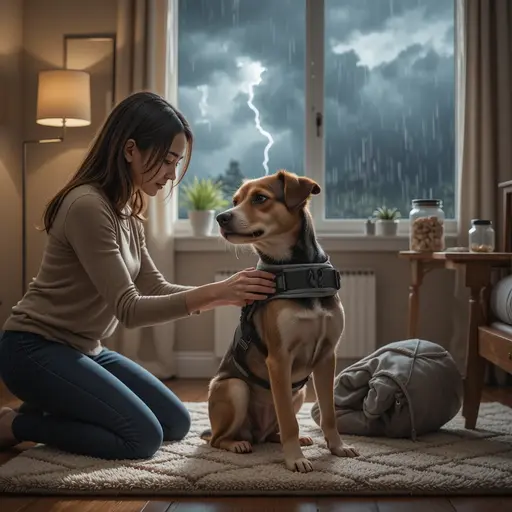
Products like ThunderShirt apply gentle, constant pressure to your pet’s torso, activating the parasympathetic nervous system—the same principle behind swaddling infants or weighted blankets for humans.
Mechanism of Action:
- Pressure receptors in the skin send calming signals to the brain
- Reduces heart rate and cortisol production
- Provides a physical sensation that interrupts the anxiety spiral
When to Use:
- During predictable events like thunderstorms or fireworks
- For travel anxiety in cars or carriers
- As part of the safe zone setup
Evidence: A 2014 study in the Journal of Veterinary Behavior found that 89% of dogs showed reduced anxiety symptoms when wearing pressure wraps during thunderstorms. However, they work best as part of a comprehensive plan, not as standalone solutions.
Pro Tip: Acclimate your pet to the vest during happy times for 5-10 minutes daily, pairing it with treats and play. This prevents the vest from becoming a predictor of scary events.
Pheromone Diffusers and Sprays
Synthetic pheromones mimic the natural calming chemicals that animals release. They’re species-specific and odorless to humans.
Canine Options (Adaptil):
- Mimics the appeasing pheromone that mother dogs release during nursing
- Diffusers cover 700 sq ft and last 30 days
- Collars provide mobile calming for travel or walks
Feline Options (Feliway):
- Classic formula mimics the facial pheromones cats use to mark safe territory
- The optimum formula combines multiple calming pheromones
- Spray works directly on carriers, bedding, or furniture
Limitations: Pheromones help with mild to moderate anxiety but rarely resolve severe cases alone. They reduce baseline stress, making other interventions more effective.
Clinical Evidence: A 2018 meta-analysis in the Journal of the American Veterinary Medical Association concluded that pheromone products show moderate efficacy for anxiety-related house soiling and scratching, with best results when combined with behavior modification.
Calming Supplements and When to Use Them
Nutraceuticals offer a middle ground between environmental changes and prescription medication. Always consult your veterinarian before starting supplements, especially if your pet takes other medications.
Well-Researched Options:
L-Theanine (Anxitane):
- An amino acid from green tea that increases alpha brain waves associated with relaxation
- Takes 3-6 weeks for full effect
- Safe for long-term daily use
- Best for generalized anxiety and fear of strangers
Alpha-casozepine (Zylkene):
- Milk protein derivative with benzodiazepine-like calming effects without sedation
- Works within 2-3 days
- Useful for situational anxiety (vet visits, travel)
- Safe for cats and dogs
Tryptophan:
- Precursor to serotonin, the brain’s “feel-good” neurotransmitter
- Included in some calming chews and prescription diets (Royal Canin Calm)
- Requires consistent dosing; effects build over 2-4 weeks
What to Avoid:
- Products with vague “proprietary blends” that don’t disclose active ingredients
- Human supplements without veterinary dosing guidance
- Any supplement promising instant results—true anxiety relief takes time
Sound Therapy and White Noise
Auditory enrichment masks triggering sounds while providing calming frequencies designed for animal hearing ranges.
Implementation:
- Play specially composed pet calming music (iHeartDogs, Through a Dog’s Ear) at 50-60 decibels
- White noise machines set to “brown noise” (deeper frequency) effectively mask thunder and fireworks
- Start playing the sound 30 minutes before the anticipated triggers
Research: A Scottish SPCA study found that dogs in kennels exposed to classical music barked less and rested more. The effect diminished after 7 days, suggesting that rotating music types maintains effectiveness.

Natural Remedies for Calming an Anxious Pet
Natural approaches appeal to owners seeking gentle options, but “natural” doesn’t automatically mean safe or effective. Evaluate each remedy critically.
CBD Products: The Evidence
Cannabidiol (CBD) has exploded in popularity for pet anxiety, but regulatory oversight remains minimal.
What the Research Shows:
- Cornell University College of Veterinary Medicine found that 83% of dogs receiving CBD showed reduced anxiety-related behaviors
- Anti-inflammatory properties may help with pain-related anxiety in senior pets
- No psychoactive effects—CBD contains negligible THC
Critical Considerations:
- Dosing lacks standardization; start with 0.1-0.5 mg/kg and adjust
- Full-spectrum products may offer better results than isolates
- Third-party lab testing is essential to verify CBD content and the absence of contaminants
- Interacts with some medications metabolized by the liver
Veterinary Guidance: A veterinary pharmacologist advises using CBD as an adjunct to behavior modification, not a replacement. Monitor for side effects like lethargy or gastrointestinal upset.
Herbal Remedies and Safety Considerations
Several herbs traditionally calm humans, but animal metabolism differs significantly.
Safe Options with Veterinary Guidance:
Valerian Root:
- Mild sedative effect without strong pharmaceutical action
- Works within 1-2 hours, lasting 4-6 hours
- Useful for predictable events (vet visits)
- Can cause opposite reaction (hyperactivity) in some cats
Chamomile:
- Contains apigenin that binds to brain receptors
- Best delivered as cooled tea on food or in water
- Extremely safe, though the benefits are mild
Rescue Remedy (Bach Flower Essences):
- Homeopathic combination with anecdotal support
- No known toxicity
- Limited scientific evidence, but low risk
Dangerous Herbs to Avoid:
- Kava (liver toxicity in pets)
- Pennyroyal (neurotoxic)
- Tea tree oil (even diluted can cause neurological symptoms in cats.
Massage and TTouch Techniques
Physical touch therapy reduces muscle tension and activates oxytocin release, promoting bonding and calm.
Basic Anxiety Massage for Dogs:
- Start with gentle, flat-handed strokes along the back
- Apply slow, circular motions on the chest (over the heart)
- Use light pressure on ear bases (acupressure points)
- Work in 5-10 minute sessions
TTouch (Tellington Touch):
Developed by Linda Tellington-Jones, this method uses specific circular touches and body wraps. The “ear work” technique—gentle slides from base to tip of ears—has particular calming effects.
Professional Interventions and When to Seek Help
DIY approaches help mild anxiety, but moderate to severe cases require professional guidance. Recognize when you’ve reached your expertise limit.
Working with a Veterinary Behaviorist
A board-certified veterinary behaviorist (Dip. ACVB) holds a veterinary degree plus an additional 3-4 years of specialized training. They differ from trainers by diagnosing medical conditions contributing to behavior and prescribing medication when needed.
What to Expect:
- 2-3 hour initial consultation reviewing medical history, environment, and behavior patterns
- Customized behavior modification plan with detailed protocols
- Follow-up appointments to adjust strategies
- Collaboration with your primary veterinarian
Cost: $200-400 for initial consultation, but their expertise prevents months of ineffective trial-and-error. The American College of Veterinary Behaviorists maintains a directory to find certified specialists.
When to Seek:
- Anxiety causing self-injury
- Aggression directed at people or other pets
- Anxiety did not improve after 8 weeks of consistent home intervention
- Multiple phobias or complex triggers
Medication Options: What You Should Know
Pharmaceutical intervention often carries stigma, but for severe anxiety, medication improves quality of life dramatically. Modern veterinary behavior medicine uses medications safely and effectively.
Common Anxiety Medications:
Fluoxetine (Prozac, Reconcile):
- SSRI that increases serotonin availability
- Takes 4-6 weeks for full effect
- Given daily for generalized anxiety
- Well-tolerated with minimal side effects
Trazodone:
- Fast-acting sedative with anxiety-blocking properties
- Takes effect in 1-2 hours, lasts 8-12 hours
- Used situationally (fireworks, vet visits)
- Can cause mild lethargy
Gabapentin:
- Originally an anticonvulsant, now widely used for anxiety
- Particularly effective for cats with travel anxiety
- Mild sedation effect
- Safe for senior pets
Important Facts:
- These are not “tranquilizers” that simply sedate—they correct neurochemical imbalances
- Most pets remain alert and interactive while on medication
- Duration varies: some need lifelong support, others use medication temporarily during behavior modification
- Never adjust dosage without veterinary guidance
Alternative Therapies (Acupuncture, etc.)
Complementary treatments show promise as adjuncts to conventional therapy.
Acupuncture:
- Stimulates endorphin release and modulates the nervous system
- Requires 4-6 sessions for effect
- Best for pain-related anxiety in senior pets
- Must be performed by a certified veterinary acupuncturist
Chiropractic Care:
- May help anxiety stemming from physical discomfort
- Limited research, but low risk when performed by trained veterinarians
Reiki and Energy Work:
- Anecdotal reports of calming effects
- No scientific evidence, but no known risks
- Works best for owners who believe in the modality—their calmness transfers to the pet

Species-Specific Approaches
Dogs and cats require different strategies based on their evolutionary histories and social structures.
Calming an Anxious Dog: Breed Considerations
Herding breeds (Border Collies, Australian Shepherds) and working breeds (German Shepherds, Dobermans) show higher anxiety rates due to selective breeding for hypervigilance.
Breed-Specific Strategies:
- Herding Breeds: Need “jobs” and mental work. Anxiety often stems from understimulation. Focus on advanced training, agility, or scent work.
- Toy Breeds: Prone to attachment anxiety. Practice independent time in safe zones and avoid carrying them constantly.
- Sight Hounds: Sensitive to visual triggers. Use covered crates and limit window access during anxiety episodes.
- Scent Hounds: Respond exceptionally well to nose work enrichment.
Social Structure Considerations: Dogs are pack animals, but don’t necessarily need canine companionship to resolve anxiety. Forcing another pet into the home can worsen anxiety if the root cause isn’t loneliness. Focus on human-animal bond quality first.
Calming an Anxious Cat: Unique Challenges
Cats evolved as solitary hunters, making their anxiety responses different from dogs. Feline anxiety often stems from perceived threats to territory or resources.
Multi-Cat Household Dynamics:
- Provide one litter box per cat plus one extra, spread throughout the home
- Multiple feeding stations prevent resource guarding anxiety
- Vertical space (cat trees, shelves) increases territory and reduces conflict
Territorial Anxiety Solutions:
- Use Feliway diffusers at entry points where outdoor cats might be visible
- Block window views with frosted film if neighborhood cats trigger anxiety
- Create separate zones for each cat in multi-cat homes
Handling Anxiety: Unlike dogs, anxious cats rarely seek comfort. Forcing interaction increases stress. Instead, sit quietly nearby and allow the cat to approach. Play therapy with wand toys helps fearful cats build confidence by “hunting” in a safe context.
Creating a Long-Term Anxiety Management Plan
Sustainable improvement requires systematic tracking and adjustment. Treat anxiety management as an ongoing practice, not a one-time fix.
Tracking Progress and Adjusting Strategies
Daily Behavior Journal:
Record:
- Anxiety episodes (time, duration, intensity 1-10)
- Triggers present
- Interventions used
- Overall mood rating
Weekly Assessment:
Calculate the percentage of days with anxiety episodes. A successful plan shows:
- 25% reduction within 4 weeks
- 50% reduction within 8 weeks
- 75% reduction within 16 weeks
If progress plateaus for 3 consecutive weeks, adjust one variable at a time. Change the supplement, modify exercise timing, or intensify desensitization. Changing everything simultaneously prevents identifying what’s working.
Building Your Pet’s Confidence
Confident pets handle stress better. Build confidence through:
- Success-Based Training: Teach simple tricks, rewarding every attempt. Success builds confidence.
- Agility or Nose Work: These sports let anxious dogs shine in controlled environments
- Controlled Socialization: Carefully expose pets to low-intensity versions of triggers, always ending positively
- Predictable Structure: The routine itself becomes a security blanket
The Bucket Analogy: Think of your pet’s anxiety threshold as a bucket. Each stressor adds water. When the bucket overflows, anxiety behaviors erupt.
Your management plan either reduces water input (fewer triggers) or increases bucket size (greater coping capacity). The most successful approaches do both.
Conclusion
Calming an anxious pet requires a structured, compassionate approach that addresses both the environment and the underlying causes. Begin by creating predictable routines, providing a safe space, and ensuring your pet gets enough physical and mental stimulation.
Support these foundations with proven tools such as anxiety vests or pheromone diffusers, and monitor progress through consistent note-taking.
For pets with moderate or severe anxiety, professional guidance is often essential. A veterinary behaviorist can tailor a treatment plan and determine whether medication may improve your pet’s quality of life.
Most importantly, view anxiety as a medical issue rather than a behavioral fault. Pets act out of fear, not misbehavior, and responding with empathy strengthens your bond while helping them feel secure.
Although many pets experience anxiety, only a small percentage receive proper care. By taking steps now—whether introducing a safe zone or seeking expert help—you are giving your pet a better chance at a calmer, healthier life. And neither are you.