


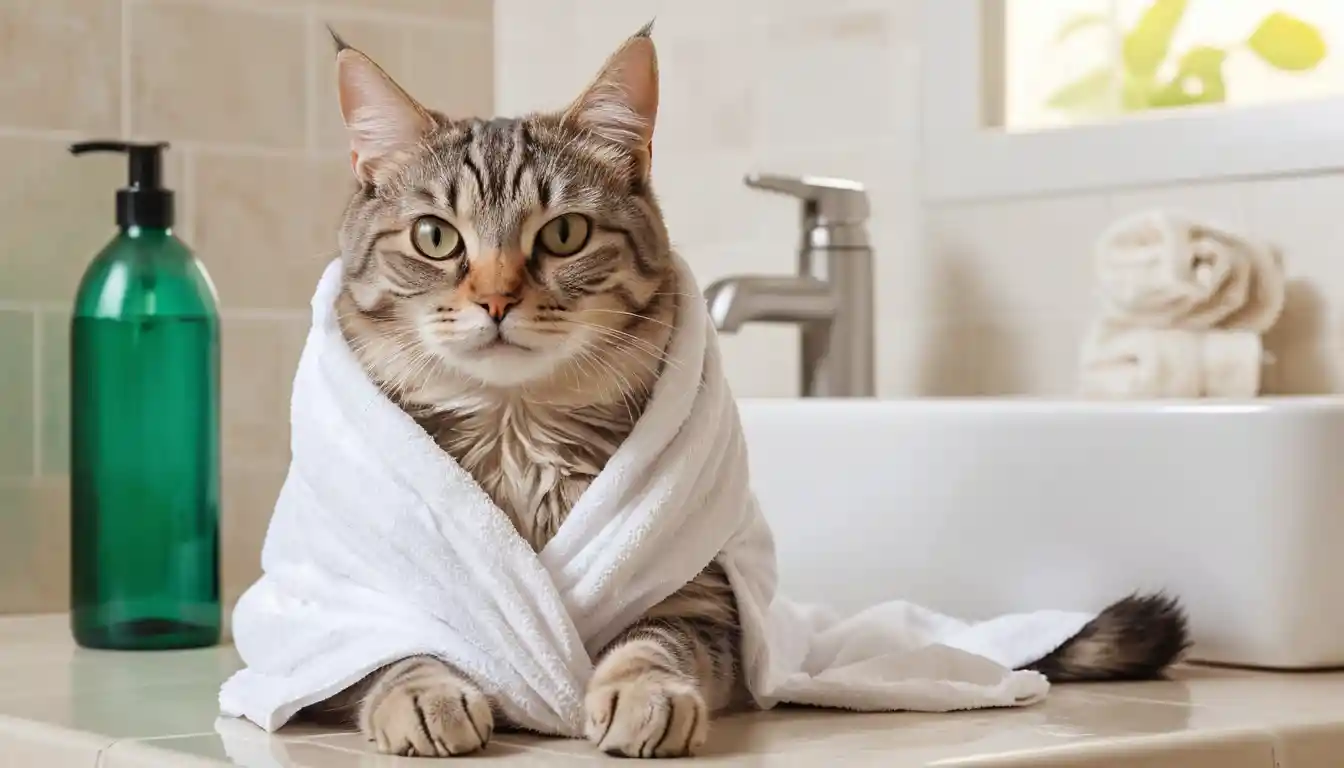
Choosing the right cat shampoo protects your cat’s skin barrier and helps prevent irritation, dryness, and infection. Cats need a formula made specifically for feline skin, not a human product, and not always a dog product either.
This guide walks through what makes cat skin different, which ingredients to avoid, how to match a shampoo to your cat’s specific needs, and how to bathe a cat safely from start to finish.
Key Takeaways
- Cat skin has a different pH balance than human or dog skin, so human shampoos and many “all-pet” products can cause dryness and irritation.
- Avoid essential oils, phenols, high-concentration pyrethrins, artificial fragrances/dyes, and harsh sulfates in cat shampoo.
- Match the shampoo to your cat’s specific need: sensitive skin, fleas, a long coat, or a senior cat’s thinner skin.
- Most healthy cats only need a bath a few times a year; over-bathing does more harm than good.
- Always dilute shampoo, rinse thoroughly, and skip the hair dryer.
Why Your Cat’s Skin Needs Specialized Care
Your cat’s skin is more delicate than yours, with a thinner protective barrier that’s easily disrupted by the wrong products.
Using a shampoo that isn’t formulated for cats can strip natural oils, cause irritation, and leave the skin vulnerable to infection.
The pH Balance Difference
Cat skin runs more acidic than human skin, and research on exactly where it sits varies by study, breed, and body region. One commonly cited veterinary reference puts feline and canine skin closer to neutral, around pH 7.5, while human skin sits around 5.5. Because of this difference, a product formulated for human skin (including “gentle” baby shampoo) is often too acidic for a cat and can disrupt the skin barrier.
Products labeled simply “for pets” or “for cats and dogs” aren’t automatically safe for cats, either. Dog-formulated shampoos skew more alkaline, so it’s worth confirming a product is specifically labeled safe for feline use rather than assuming a shared label covers both species equally.
How Human Products Damage Feline Skin
Never use shampoo or conditioner made for people on your cat. Human products often contain sulfates, parabens, and artificial fragrances that strip away the oils feline skin needs.
Once that barrier is disrupted, cats become more vulnerable to environmental allergens, bacteria, and yeast overgrowth problems that can turn a one-time bath into a recurring skin issue.
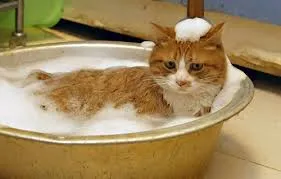
Top 5 Ingredients to Avoid in Cat Shampoo
Many products marketed for pets contain ingredients that pose real risks to cats specifically, even when they’re safe for dogs.
Essential Oils (Most Varieties)
Most essential oils aren’t safe for cats. Cats lack the liver enzymes needed to break these compounds down efficiently, so oils absorbed through skin or ingested during grooming can accumulate to toxic levels. Wintergreen, sweet birch, citrus oil (d-limonene), pine oils, and ylang ylang oil are among the most dangerous.
“Natural” doesn’t mean “cat-safe.” If a shampoo lists essential oils, look for one specifically formulated and tested for cats rather than assuming a plant-based origin makes it low-risk, and when in doubt, ask your veterinarian before using it.
Phenols and Cresols
Phenols show up in antibacterial and disinfectant products and are extremely toxic to cats, with the potential to cause liver damage and neurological problems.
Because cats groom themselves constantly, any residue left on the fur gets ingested. Avoid anything listing “phenol,” “cresol,” or “hexachlorophene” on the label.
Pyrethrins and Pyrethroids in High Concentrations
Some flea shampoos use pyrethrins, derived from chrysanthemums. Cats are especially sensitive to the synthetic version of pyrethroids, which can cause tremors, seizures, or death at high concentrations.
Only use flea shampoo labeled specifically for cats, and never use a dog flea product on a cat. Dog formulas often carry concentrations that are fatal to felines.
Artificial Fragrances and Dyes
Synthetic fragrance and dye serve no purpose beyond marketing appeal and can trigger allergic reactions in sensitive cats. They typically appear on labels as “parfum,” “fragrance,” or dye codes like “FD&C Red No. 40.”
Cats have sensitive respiratory systems, and artificial scents can cause breathing difficulty, particularly in flat-faced breeds like Persians. Fragrance-free formulas are the safer default for any cat with a history of skin or respiratory issues.
Harsh Sulfates and Parabens
Sodium lauryl sulfate (SLS) and sodium laureth sulfate (SLES) lather well but strip natural oils from feline skin. Parabens, used as preservatives, have raised hormone-disruption concerns in mammals.
Look for gentler cleansing agents like cocamidopropyl betaine (derived from coconut oil) and preservatives like vitamin E or rosemary extract instead.
Matching Cat Shampoo to Your Cat’s Needs
Not every cat needs the same formula. The right choice depends on age, coat type, skin condition, and any diagnosed medical issues.
For Sensitive or Allergic Skin
Look for a hypoallergenic formula free of fragrance, dye, and harsh sulfates. Colloidal oatmeal is a well-established ingredient for calming irritated, itchy skin and supporting the skin barrier.
For diagnosed allergies or chronic skin conditions, ask your vet about medicated shampoo options containing chlorhexidine, ketoconazole, or similar antifungal/antibacterial actives, which are commonly used for cats with reactive skin, but should be selected with veterinary input rather than picked off a shelf.
For Flea and Tick Concerns
Most veterinarians treat flea shampoo as a last resort for an active infestation rather than a regular prevention tool, since frequent bathing and flea-specific ingredients can dry out the skin.
For ongoing flea prevention, a vet-prescribed spot-on treatment or oral medication is generally more effective and gentler than repeated shampooing. If you do use a flea shampoo, choose one labeled specifically for cats, and follow with a moisturizing conditioner to offset the drying effect.
For Longhaired Breeds
Persians, Maine Coons, and other longhaired cats benefit from a shampoo that adds slip and helps prevent matting. Look for aloe vera, shea butter, or coconut oil in the ingredient list.
Avoid heavy oils that can weigh down the coat or attract dirt. For a coat that’s already badly matted, see a professional groomer rather than attempting to shampoo it at home; working shampoo into mats can pull and irritate the skin underneath.
For Senior Cats
Older cats often have thinner skin and reduced natural oil production, so an extra-moisturizing formula with ceramides or fatty acids helps replenish the skin barrier without overwhelming a more sensitive system.
Skip anything strongly scented or medicated unless your vet has specifically recommended it. For cats with arthritis or mobility issues, a waterless foam shampoo can reduce handling stress considerably.
How to Choose the Right Cat Shampoo
Assess Your Cat’s Current Condition
Before you shop, check:
- Skin: Redness, flaking, or sores point toward needing a medicated shampoo.
- Coat: A dull coat or heavy matting can signal a history of oil-stripping products.
- Behavior: Excessive licking or scratching suggests irritation that calls for a soothing formula.
Pro tip: Photograph any problem areas before your vet visit. It helps determine whether a prescription shampoo is needed.
When to Involve Your Vet
Check in with your veterinarian before bathing:
- A kitten under 6 months for the first time
- A cat with a pre-existing condition like kidney disease or diabetes
- A cat is still scratching after two baths with an appropriate shampoo
Ask specifically which active ingredients are safe alongside any flea preventative or medication your cat is currently on. Some shampoo ingredients can interact with topical flea treatments.
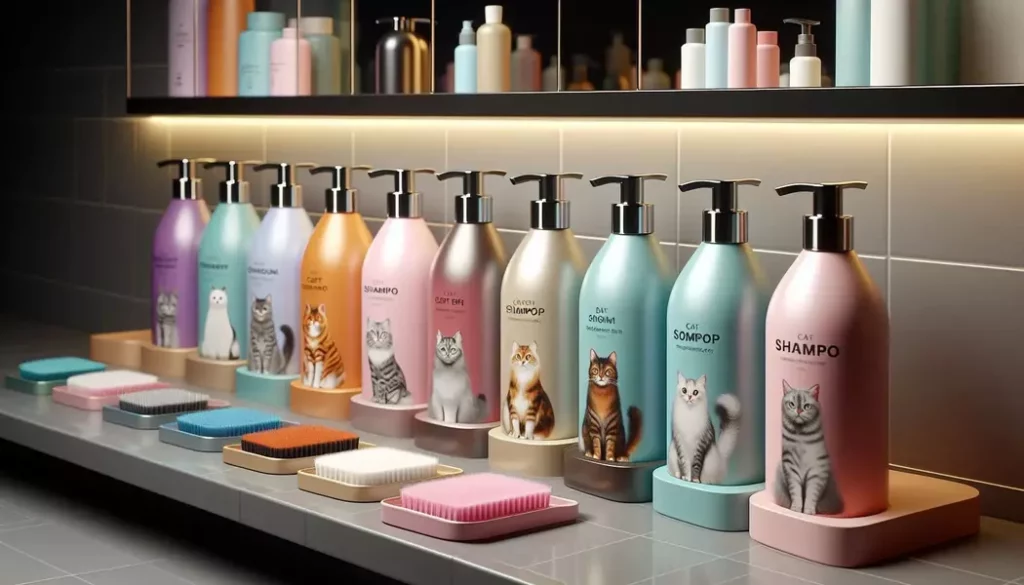
Cat Shampoo Options Worth Knowing
There’s no single “best” cat shampoo; the right pick depends on your cat’s skin, coat, and any medical needs. Here’s how some well-known options compare.
Comparison of Cat Shampoo Options
| Product | Best For | Key Ingredients | Notes |
|---|---|---|---|
| Hepper Colloidal Oatmeal Pet Shampoo | General/sensitive skin | Colloidal oatmeal, aloe vera | Soap-free, fragrance added (cucumber/aloe scent), pH-balanced for pets |
| Burt’s Bees for Cats Hypoallergenic Shampoo | Sensitive skin | Shea butter, honey | Hypoallergenic, gentle everyday cleansing |
| Earthbath Oatmeal & Aloe Shampoo | General use | Oatmeal, aloe, coconut-derived cleansers | Labeled for cats and dogs; detangles longer coats |
| Veterinary Formula Clinical Care Antiseptic & Antifungal Shampoo | Medicated needs | Benzethonium chloride, ketoconazole | Treats bacterial/fungal skin issues; use as directed, ideally with vet guidance |
| Adams Plus Flea & Tick Foaming Shampoo | Active flea/tick infestation | Pyrethrins, piperonyl butoxide | Cat-labeled formula; not intended for frequent/routine use |
| Douxo S3 Calm Shampoo | Chronic itching/allergies | Ophytrium, ceramides | Veterinary-line product aimed at repairing the skin barrier |
A Closer Look
Hepper Colloidal Oatmeal Pet Shampoo is a soap-free, dye-free option built around colloidal oatmeal, which is well regarded for soothing irritated skin. It’s fragrance-added (aloe and cucumber scent) rather than fragrance-free, so it’s worth patch-testing on cats with a history of fragrance sensitivity.
Burt’s Bees for Cats Hypoallergenic Shampoo uses shea butter and honey for everyday gentle cleansing without stripping natural oils, and works well for cats needing regular bathing due to a medical condition.
Earthbath Oatmeal & Aloe Shampoo is a solid general-purpose option for routine cleaning. It’s labeled for both cats and dogs, which makes it convenient for multi-pet households, though always confirm the specific product you buy carries feline-safe labeling.
Veterinary Formula Clinical Care Antiseptic & Antifungal Shampoo is formulated with benzethonium chloride (antibacterial) and ketoconazole (antifungal) to help manage bacterial and yeast-related skin issues. Because it’s a medicated product, it’s best used under veterinary guidance rather than as a routine shampoo.
Adams Plus Flea & Tick Foaming Shampoo offers cat-labeled flea and tick control in a foaming formula that’s easier to apply thoroughly. As with any flea shampoo, this should be an occasional tool for active infestations, not a regular bathing routine followed with a moisturizing conditioner if the coat feels dry afterward.
Douxo S3 Calm Shampoo is a veterinary-line product built around Ophytrium and ceramides, aimed at reducing itching while helping repair the skin barrier. It’s often used as part of a longer-term plan for cats with chronic skin inflammation or seasonal allergies, typically recommended by a vet.
Step-by-Step: How to Safely Bathe Your Cat
Most cats stay clean through self-grooming and rarely need a full bath. When one is necessary for a medical condition, heavy soiling, or a prescribed treatment, a calm, well-prepared approach makes it far less stressful for both of you.
Pre-Bath Preparation Checklist
Gather everything before bringing your cat to the bathing area: cat-specific shampoo, two soft towels, a non-slip mat, and a handheld sprayer if you have one.
Trim your cat’s nails a day beforehand to reduce the risk of scratches, and brush thoroughly first to remove loose hair and prevent matting once wet.
Choose a small, enclosed space, such as a sink or small tub, rather than an open bathroom where your cat might feel exposed. Keep the room warm, since cats lose body heat quickly once wet.
The 5-Step Bathing Process
- Create a calm environment. Speak softly and move slowly. Set a non-slip mat in the sink or tub and fill it with a couple of inches of lukewarm water. Test it with your elbow; it should feel barely warm.
- Wet gently. Use a cup or a handheld sprayer on its lowest setting to moisten the fur, avoiding the face, ears, and eyes entirely. Start at the neck and work backward. Never pour water directly over your cat.
- Apply shampoo properly. Dilute the shampoo with roughly equal parts water in your hand before applying. Massage gently in the direction of hair growth, starting with the dirtiest areas, using light circular motions rather than vigorous rubbing.
- Rinse thoroughly. Rinse for at least as long as you spent shampooing, as leftover residue is a common cause of post-bath itching. Run a damp cloth over the coat to check that it comes away clean.
- Dry with minimal stress. Wrap your cat in a soft towel right away, pressing gently rather than rubbing. Skip the hair dryer, the noise, and the heat frighten most cats. Let your cat finish drying somewhere warm and quiet, with a place to hide if they want one.
Tips for Stress Reduction
A familiar-smelling item, like one of your worn t-shirts, can help your cat feel more at ease in the bathing area. A feline pheromone diffuser used ahead of time may also take the edge off for anxious cats.
If your cat shows extreme distress, stop. Forcing the bath through can create a negative association that makes every future bath harder. For cats who won’t tolerate water at all, a waterless foam shampoo applied with a damp cloth is a reasonable alternative. Reward with a high-value treat afterward, regardless of how the bath went.
Most cats only need a shampoo bath a few times a year at most. Over-bathing strips natural oils and can cause more skin problems than it solves.
FAQs
Can I use baby shampoo on my cat in an emergency?
It’s not a good substitute; baby shampoo is still formulated for human skin pH, not feline skin. In a true emergency, a damp cloth with plain water is safer than reaching for any human product. Talk to your vet before using anything not labeled for cats.
How often should I bathe my cat with shampoo?
Most healthy cats need shampoo bathing only a few times a year at most, since cats groom themselves effectively. Over-bathing strips natural oils and can damage the skin barrier. Cats with a diagnosed medical condition may need more frequent medicated baths as directed by a vet. Between baths, a waterless foam cleanser works for spot cleaning.
What are the signs my cat is reacting to a shampoo?
Watch for scratching, redness, hair loss, or flaking skin within a day of bathing. Some cats develop hives or facial swelling with a more severe reaction. If you see any of these signs, rinse thoroughly with water, stop using the product, and contact your vet. Bring the shampoo bottle to the appointment.
Are natural or organic cat shampoos always safer?
Not necessarily. Many “natural” products still contain essential oils that are toxic to cats, and “organic” says nothing about feline safety on its own. Check the ingredient list against known toxic substances regardless of how a product is marketed.
Can I use dog flea shampoo on my cat?
No. Dog flea products often contain permethrin or higher pyrethrin concentrations that are fatal to cats, and even a small amount transferred from a dog to a cat during contact can cause serious neurological symptoms. Always use a product labeled specifically for cats.
Conclusion
The right cat shampoo comes down to understanding your cat’s skin and specific needs, not grabbing whatever’s on the shelf. Cat skin behaves differently from human and dog skin, which is why a species-specific, pH-appropriate formula matters.
Steer clear of essential oils, phenols, and high-concentration pyrethrins, and remember that for most cats, bathing should be the exception; regular brushing and spot cleaning do most of the work day to day.
When a bath is necessary, match the product to the actual issue: colloidal oatmeal for sensitive skin, a vet-directed medicated shampoo for a diagnosed condition, and always a cat-specific label rather than a generic “pet” one.
Talk to your veterinarian before introducing a new product, especially if your cat has an existing skin condition. Your cat’s comfort starts with the right choice, not just any bottle marked “for pets.”