





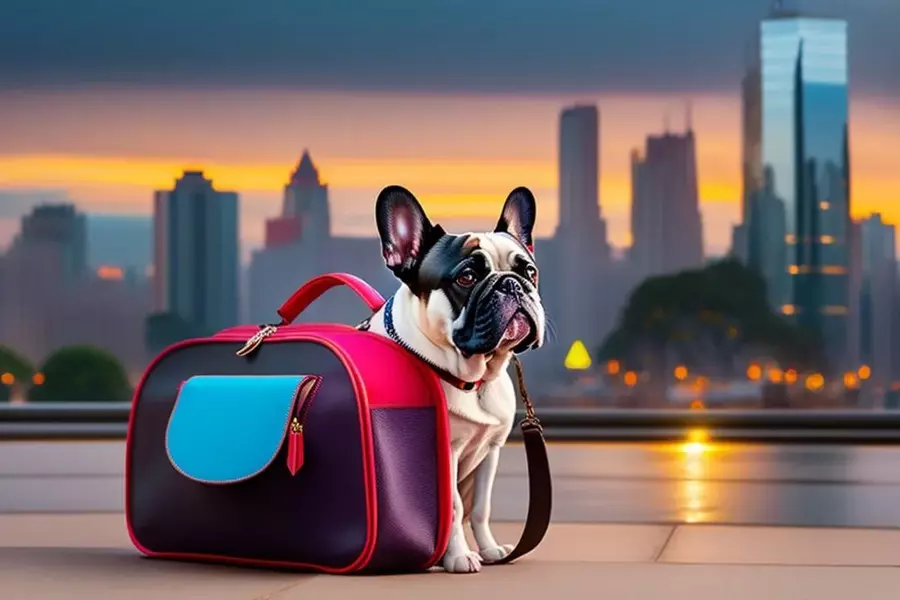
A good dog carrier does two jobs at once: it keeps your dog physically safe during a crash or sudden stop, and it keeps them calm enough to actually enjoy the trip. Most carrier problems gate rejections, escape attempts, a miserable dog trace back to the same root cause: the wrong size, weak materials, or a dog that was never introduced to the carrier before travel day.
This guide walks through what actually matters when choosing a carrier, what airlines and safety researchers require, and how to get your dog comfortable with it before you ever leave the house.
Key Takeaways
- A carrier only protects your dog if it’s the right size; too snug restricts movement, too roomy lets your dog get thrown around during stops or turbulence.
- Airlines set their own carrier dimensions; there’s no single universal “FAA-approved” or “IATA-certified” size, so always confirm with your specific airline before you fly.
- The Center for Pet Safety (CPS) is the main independent group crash-testing pet carriers and crates in the U.S. Look for CPS-certified products if crash protection matters to you.
- An unrestrained 10-pound dog can generate roughly 500 pounds of force in a 50 mph crash, which is why a carrier needs to be secured, not just present.
- Carrier acclimation should start weeks before travel, not the morning of dogs introduced early show far less stress in transit.
Why Dog Carriers Matter
The humble dog carrier has evolved from basic transport to essential safety equipment. As more households travel with pets, a carrier that fits poorly or falls apart under stress causes real problems for your dog and for everyone around you.
An airline-compliant carrier solves the two biggest failure points in pet travel: gate rejections from an oversized carrier, and injury from an unsecured one.
Consider what’s actually at stake:
- Airlines routinely turn away carriers that don’t fit under the seat or meet posted dimensions, which can mean missed flights or last-minute rebooking.
- Research from AAA and Kurgo has found that an unrestrained 10-pound dog can generate roughly 500 pounds of force in a 50 mph collision, which scales up sharply with the dog’s weight.
- Poor ventilation and unstable positioning are common, preventable causes of travel-related distress.
Veterinary professionals consistently emphasize that a well-fitted, properly secured carrier reduces both injury risk and travel anxiety. Choosing a carrier isn’t just about matching your luggage; it’s about your dog’s physical safety for the whole trip.
The Real Cost of Cutting Corners
Substandard carriers cost more than they save. Airlines reject improperly sized or damaged carriers at the gate, which can mean rebooking fees, missed connections, and a stressed-out dog before the trip has even started.
Beyond travel logistics, poorly designed carriers contribute to:
- Spinal strain from a base with no rigid support
- Overheating from inadequate ventilation
- Escape attempts through weak zippers or gaps in the mesh
- Motion sickness from a carrier that slides or tips during stops
A well-made carrier is a safety purchase, not a style purchase. As pet travel becomes more common, the carrier you choose has a direct effect on how safely and how comfortably your dog gets from A to B.
What to Look for in a Modern Dog Carrier
Carrier design has genuinely improved over the last decade, driven by input from veterinarians, crash-safety researchers, and frequent pet travelers. Here’s what separates a well-designed carrier from a basic one.
Ventilation That Actually Works
Airflow isn’t just about comfort; it directly affects your dog’s ability to regulate body temperature, especially in warm cargo holds or parked cars. Look for:
- Mesh panels covering the majority of the carrier’s surface area, not just a small window
- Vents positioned so airflow doesn’t blast directly onto your dog
- Fabric that resists trapping moisture and odor
- Clear panels so your dog can see out, which can reduce anxiety for some dogs
Some premium carriers use 360-degree mesh paneling so dogs can see their surroundings from any side while still getting airflow from every angle. If your dog tends to overheat easily, ventilation should be one of your top two priorities right alongside size. For more on recognizing and preventing heat-related illness in dogs, see our guide to heatstroke prevention.
Collapsible, Airline-Ready Designs
Bulky carriers that eat up luggage space are becoming less common. Look for:
- Hard-sided carriers that fold flat for storage between trips
- Quick-assembly frames that don’t require tools
- Handles that convert to backpack straps for hands-free carrying
- Trolley sleeves that slide over rolling luggage handles
Collapsible carriers are genuinely useful for frequent flyers, since they free up storage space at home and pack down for the return trip. Just confirm the folded dimensions still meet your airline’s requirements; collapsibility doesn’t override size limits.
Comfort Features That Matter
Comfort isn’t a luxury add-on; an uncomfortable carrier is more likely to cause a dog to fight against it, which increases injury risk. Look for:
- A supportive, non-slip base (avoid carriers with only thin, unsupported padding)
- Removable, machine-washable liners
- Enough headroom for your dog to sit up without ducking
For senior dogs or dogs with joint issues, a supportive base isn’t optional; pressure points on a thin, unsupported floor can be genuinely painful on a long trip. If your dog has a diagnosed orthopedic condition, ask your vet for carrier recommendations specific to their needs.
Carriers That Do More Than One Job
The most versatile carriers work across multiple scenarios instead of sitting in a closet between flights:
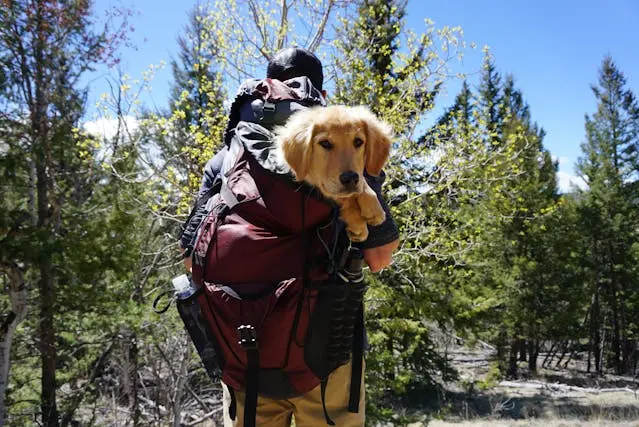
- Backpack-style carriers that also work for hiking trips
- Removable liners for warm-weather versus cold-weather use
- Water-resistant bases for beach or boat outings
- Attachment points for a safety tether that clips to your dog’s harness
A carrier that pulls double duty for vet visits, day trips, and flights is usually a better investment than several single-purpose bags.
Choosing Your Perfect Dog Carrier
Selecting the right carrier means matching features to your actual travel habits. A carrier ideal for cross-country flights might be overkill or the wrong shape for daily errands.
Matching Carrier Type to Travel Frequency
| Travel Frequency | Recommended Carrier Type | Key Features |
|---|---|---|
| Occasional (1–3x/year) | Soft-sided sling or tote | Lightweight, compact storage |
| Frequent flyer (monthly+) | Hard-sided collapsible | Durability, consistent shape for gate checks |
| Daily use | Multi-mode convertible | Backpack/tote conversion |
| International flights | Rigid, well-ventilated carrier | Maximum security, airline-specific compliance |
International travelers should check both the destination country’s import requirements and their airline’s specific container rules; these are two separate sets of requirements, and both apply.
Proper Sizing: The Critical Factor
An ill-fitting carrier is one of the most common causes of travel-related stress and injury. Use this vet-approved sizing method:
- Measure your dog standing: floor to shoulder height
- Measure length: nose to base of tail
- Add roughly 2–4 inches to both measurements for comfortable movement
- Check your airline’s specific dimensions; most soft-sided in-cabin carriers run around 17–18″ x 11″ x 9–11″, but this varies by airline and even by aircraft.
Your dog should be able to stand, turn around, and lie down without restriction inside the carrier, often called the “freedom test.” Airlines can and do reject carriers where a pet can’t perform these movements.
For growing puppies, a carrier with an adjustable interior divider extends its useful life. Don’t size up “for comfort” beyond what’s needed; too much interior space lets your dog slide around during sudden stops, which increases injury risk rather than reducing it.
Material Matters
Carrier materials affect safety as much as they affect looks. Prioritize:
- Frame strength: rigid frames hold their shape better under stress than soft, unsupported fabric
- Fabric durability: denser, tightly woven fabrics resist tearing and clawing better than thin nylon
- Ventilation ratio: aim for generous mesh coverage, not a single small window
- Closure security: dual-zipper or locking closures are harder for a dog to push open than a single zipper
Avoid carriers with decorative embellishments (buckles, charms, loose trim) that could be chewed off, or that compromise the structural seams. Style should never come at the cost of a secure closure.
Safety Standards Demystified
Pet travel regulations are genuinely confusing because there’s no single governing body. Here’s how the rules actually break down.
Airline Rules vs. “Official” Certification
It’s worth clearing up a common misconception: there is no universal government or industry body that “certifies” a specific pet carrier as approved. The International Air Transport Association (IATA) publishes Live Animals Regulations that describe general container standards, but IATA does not test, approve, or certify individual carrier products; that decision always rests with the airline you’re flying.
In the U.S., the FAA sets overall cabin safety rules (including that any item stowed under a seat, pets included, must fit securely), but individual airlines publish and enforce their own specific carrier dimensions, which can differ significantly between carriers and even between aircraft types on the same airline.
Always verify size and weight limits directly with your airline before booking. A carrier labeled “airline-approved” by its manufacturer is a marketing claim, not a guarantee of acceptance at the gate.
Some general rules that hold across most U.S. airlines:
- Carriers must fit completely under the seat in front of you
- Pets must stay inside the carrier for the entire flight
- Carriers must be leak-proof, and most airlines prohibit sedating pets for cabin travel
- Soft-sided carriers are usually preferred for cabin travel because they can compress slightly to fit tight under-seat spaces.
Crash Testing and Real-World Safety
The Center for Pet Safety (CPS), a nonprofit research and consumer-advocacy organization, is the primary group independently crash-testing pet carriers, crates, and harnesses in the U.S, often in partnership with automotive safety researchers. CPS has awarded top safety ratings to products from brands including Gunner Kennels, Sleepypod, Diggs, and Paravel, among others.
Because “crash tested” and “crash certified” aren’t the same thing, a product can be tested without passing; it’s worth checking CPS’s published results directly rather than relying on a manufacturer’s marketing language alone.
Independently crash-tested carriers matter most for car travel, where a poorly secured or structurally weak carrier can let a dog become a projectile during a sudden stop. As noted above, even a small dog can generate hundreds of pounds of force in a moderate-speed collision, which is why a carrier needs to be both sturdy and properly secured with a seatbelt or tether, not just present in the car.
Veterinary Safety Checklist
Before buying a carrier, verify it has:
- A non-slip base to prevent sliding during sudden stops
- Generous ventilation most vets recommend well over half the surface area as mesh
- Secure closures, ideally double-locking
- A rigid or well-supported base for spinal alignment on longer trips
- No gaps larger than about an inch that a determined dog could push through
For anxious dogs, a carrier with a partial cover option lets you reduce visual stimulation without cutting off ventilation entirely. Never compromise on these fundamentals for style or price.
Travel Tips for Stress-Free Journeys
Even a well-designed carrier needs proper preparation. These strategies make the difference between a traumatic trip and a manageable one.
Pre-Travel Conditioning
Start acclimating your dog to the carrier weeks before travel, not the day of:
- Leave the carrier out at home with treats and a favorite toy inside
- Gradually increase the time your dog spends inside with the door open, then closed
- Take short car rides with the carrier secured before the actual trip
- Ask your vet about calming pheromone sprays if your dog shows early signs of anxiety
Dogs given time to build a positive association with their carrier consistently show less stress in transit than dogs introduced to it for the first time on travel day. If your dog is naturally shy or fearful, our guide to positive reinforcement for shy pets has step-by-step techniques that translate directly to carrier training.
For resistant dogs, try feeding meals inside the carrier with the door left open; this builds a positive association without any pressure. Never force a fearful dog into a carrier; high-value treats and patience work better than physical pressure, and pressure can make the fear worse.
In-Transit Best Practices
During travel:
- Air travel: position the carrier so your dog can see you, which offers real reassurance
- Car travel: secure the carrier with a seatbelt through the handle loops, or use a carrier with dedicated tether points
- Temperature control: never leave a pet in a parked vehicle, even briefly, even with windows cracked
- Hydration: offer water during rest stops on longer drives
Airlines require pets to remain inside their carrier for the duration of the flight, but you can still speak calmly and make eye contact through the mesh; your presence does more to reduce stress than any product. For car trips, keep the carrier out of direct sunlight and away from vents blowing hot or cold air directly onto it.
Post-Travel Recovery
Help your dog decompress after the trip:
- Provide a quiet space upon arrival
- Offer water and a light meal
- Allow time to reorient before introducing new people or environments
- Watch for prolonged stress symptoms: excessive panting, trembling, or hiding that doesn’t ease within a day
Some post-travel stress is normal and typically resolves within 24 hours. Symptoms that persist longer, or that include vomiting, lethargy, or loss of appetite, warrant a call to your veterinarian rather than a wait-and-see approach.
FAQs
What size dog carrier works for most airlines?
Most U.S. airlines require soft-sided in-cabin carriers roughly in the 17–18″ x 11″ x 9–11″ range, but exact limits vary by airline and aircraft; always check directly with your airline before booking. Measure your dog standing (nose to tail, plus a few inches) and confirm they can stand, turn, and lie down inside before you fly.
Hard-sided vs. soft-sided: which is safer?
Hard-sided carriers generally offer better structural protection for car travel and turbulence, since they hold their shape under pressure. Soft-sided carriers offer better ventilation and can compress slightly to fit under airline seats, which is often the deciding factor for cabin flights. For car travel specifically, a rigid or independently crash-tested carrier is the safer choice.
How do I measure my dog for a carrier?
Measure your dog’s standing height (floor to shoulder) and length (nose to base of tail), then add a few inches to each for comfortable movement. The carrier should let your dog stand, turn around, and lie down without restriction; don’t size up dramatically beyond this, since excess space increases injury risk during sudden stops.
How do I clean a dog carrier?
Most carriers have removable, machine-washable liners; wash these regularly, especially before and after trips. Wipe down hard surfaces with a pet-safe disinfectant, and let everything air dry completely before reassembling to avoid mold. Avoid harsh chemicals, which can irritate your dog’s respiratory system in an enclosed space.
Do dog carriers need special car safety features?
Yes, secure the carrier with a seatbelt through its handle loops, or use a carrier with built-in tether points, to prevent it from becoming a projectile in a sudden stop. Choose a carrier with a non-slip base and rigid construction, and place it on the floor behind a seat rather than on top of a passenger seat.

Conclusion
Dog carriers have moved well beyond basic transport tools; the best ones are genuine safety equipment, designed to protect your dog and reduce travel stress at the same time.
Your choice of carrier has a direct effect on your dog’s safety and comfort. Prioritize models with a rigid, well-supported base, generous ventilation, and ideally independent crash-test results from an organization like the Center for Pet Safety.
Before you book, measure your dog (standing height and nose-to-tail length, plus a few inches) and check that number against your specific airline’s published limits, since requirements vary by carrier and aircraft.
Ultimately, choosing the right carrier and taking the time to get your dog comfortable in it before travel day is what turns a stressful trip into a safe, low-drama one for everyone involved.