


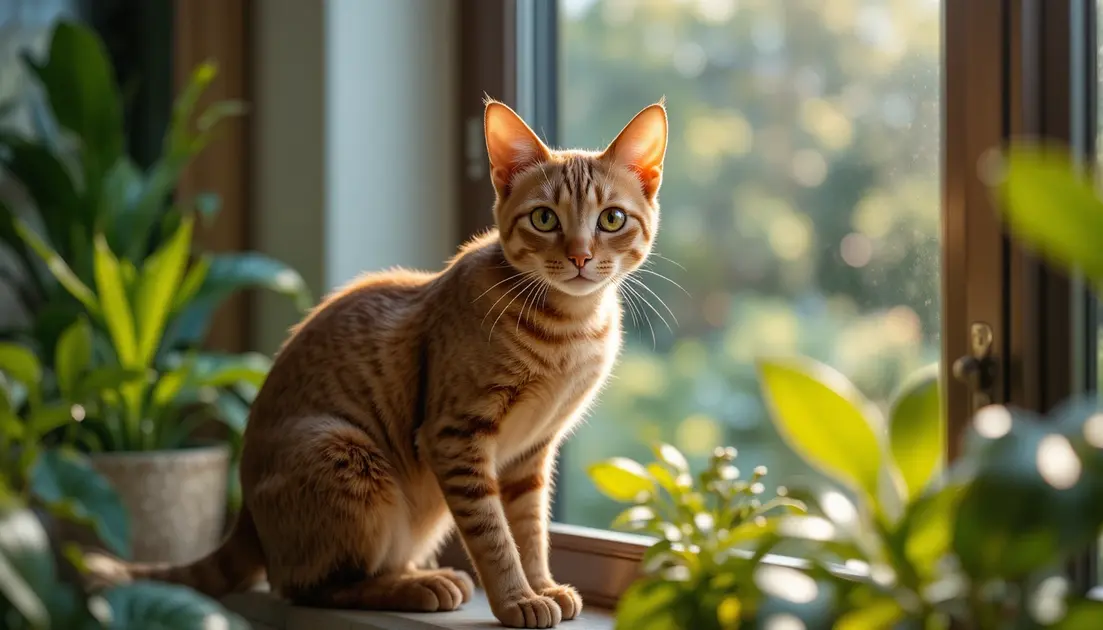
The Abyssinian cat breed is a sleek, short-haired feline famous for its ticked coat, almond-shaped eyes, and lively curiosity. Despite the name, genetic research points to origins near the coast of the Indian Ocean and Southeast Asia rather than ancient Egypt or the Horn of Africa one of several breed myths this guide sets straight. What’s consistent across every source is the temperament: an intelligent, people-oriented cat that thrives on interaction, mental challenges, and a dynamic home environment.
In this guide, we’ll cover the Abyssinian cat breed’s real history, health risks, grooming, training, and how to choose the right kitten for your family.
Key takeaways:
- Abyssinians typically live 9–15 years, with well-cared-for cats often reaching the higher end of that range.
- Their biggest breed-specific health risks are renal amyloidosis, progressive retinal atrophy (PRA), and pyruvate kinase (PK) deficiency all conditions reputable breeders screen for with DNA testing.
- Despite the name, DNA evidence shows the breed most likely originated near the Indian Ocean coast and Southeast Asia, not Abyssinia (Ethiopia) or ancient Egypt.
- They need daily interactive play and puzzle-style enrichment; under-stimulated Abyssinians often turn to destructive scratching or climbing.
- Expect $1,100–$1,800 a year in routine costs, on top of a $100–$3,000 adoption or purchase fee.
History and Origin of the Abyssinian Cat Breed
Where did the Abyssinian actually come from? Genetic studies point to the coastal Indian Ocean region and Southeast Asia, not Abyssinia (modern Ethiopia), despite the name, and not ancient Egypt, despite the resemblance to the cats depicted in Egyptian art.
- The Egypt myth: Abyssinians are often compared to the slender, alert cats shown in Egyptian tomb paintings and statues. It’s a striking resemblance, but resemblance isn’t ancestry; no verified record connects the modern breed to ancient Egyptian cats.
- Where the name comes from: The breed’s documented history begins in the United Kingdom in the 1860s and 1870s. The most credible account ties the name to British troops returning from the Abyssinian War in 1868, who are believed to have brought a ticked cat back with them. The breed’s first recorded public appearance was at the Crystal Palace Cat Show in 1871.
- What genetics actually show: DNA analysis instead traces the breed’s ancestry to cats from the coast of the Indian Ocean and parts of Southeast Asia, most likely introduced to England by traders and colonists who traveled between the UK and the Indian subcontinent in the 19th century.
Recognition by major cat registries
| Registry | Recognition Year | Notes |
|---|---|---|
| Governing Council of the Cat Fancy (GCCF, UK) | 1929 | First registry to formally recognize the breed |
| Cat Fanciers’ Association (CFA, US) | 1906 | One of CFA’s original founding breeds |
| Fédération Internationale Féline (FIFe) | 1949 | Recognized since FIFe’s founding year |
| The International Cat Association (TICA) | 1979 | Accepted into championship competition |
Across every standard, the breed is judged on the same core traits: a modified wedge-shaped head with a gentle profile, large alert ears, almond-shaped expressive eyes, and above all a distinctly ticked coat where each hair carries several bands of color. The Abyssinian cat breed today is celebrated for keeping that wild-type look while adapting easily to modern indoor life.
Physical Appearance and Distinctive Features of the Abyssinian Cat Breed
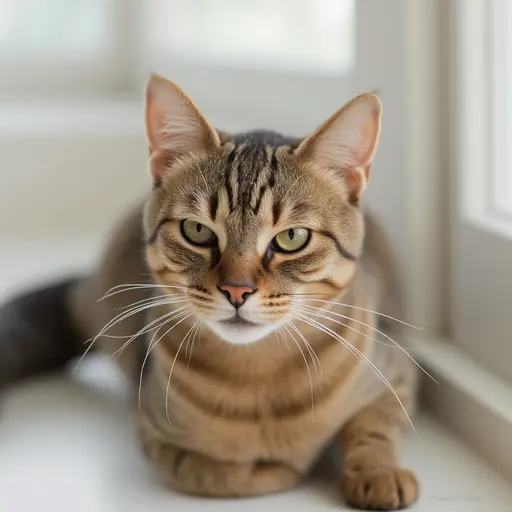
The appearance of the Abyssinian cat breed is instantly recognizable, combining a slender, athletic build with a unique coat pattern.
Size and build
- Weight: 8–12 lb (3.6–5.4 kg)
- Height: 8–10 inches (20–25 cm) at the shoulder
- Body: Long, muscular, with a slightly arched back that gives a “running” silhouette even at rest.
Coat and coloration
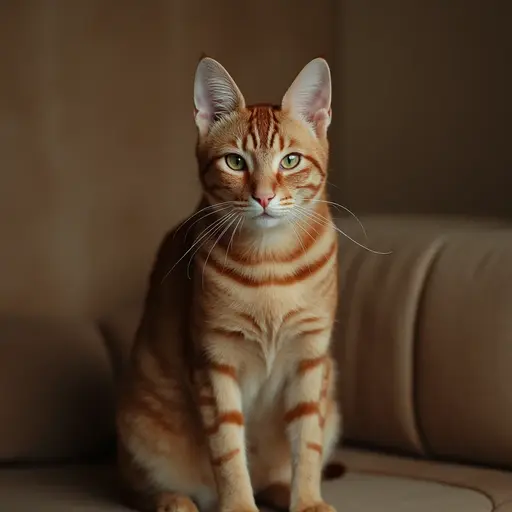
The hallmark of the Abyssinian cat breed is its “ticked” coat, where each hair has several bands of color. The four colors accepted by most registries are:
- Ruddy: warm amber base with rich brown ticking.
- Sorrel (cinnamon): a softer, cinnamon-golden base with lighter ticking.
- Blue: gray-blue base with slate ticking.
- Fawn: a pale, warm pinkish-buff base with light ticking.
Unlike breeds with a uniform coat pattern, the Abyssinian’s ticking creates a shimmering, almost iridescent effect that shifts with movement and light.
Eye shape and facial features
- Eyes: Large, almond-shaped, typically amber, green, gold, or hazel, rimmed with a fine dark line.
- Ears: Large, alert, and moderately pointed, broad and cupped at the base.
- Head: A modified, gently rounded wedge without flat planes; never a long narrow head or a short round one.
These features combine elegance with a wild-cat look, making the Abyssinian a striking, instantly identifiable breed.
Personality and Temperament of the Abyssinian Cat Breed
Bringing home an Abyssinian means inviting a feline that behaves more like a small, energetic companion than a traditional lap cat one of several distinct feline personality types cats can fall into, and Abyssinians consistently land toward the bold, high-energy end of that spectrum.
Core personality traits
- Curiosity: Abyssinians investigate every box, curtain, or new object within minutes of arrival.
- Playfulness: They love interactive toys, wand toys, and puzzle feeders; a bored Abyssinian will invent its own games, often at your expense.
- Affection: Despite an independent streak, they seek constant interaction and tend to follow owners from room to room.
- Vocality: Soft chirps, trills, and occasional chatty meows are common, especially when asking for attention.
Social behavior
- With families: Generally excellent with children who respect their need for active play.
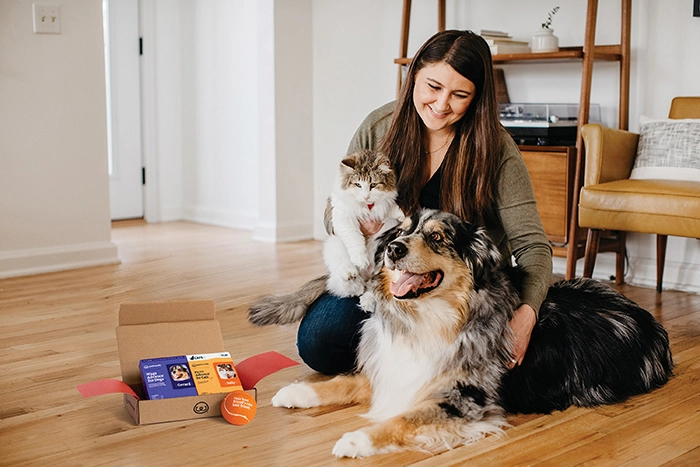
- With other pets: Usually gets along with other cats and confident, calm dogs when introductions are gradual; their confidence often helps them avoid being bullied.
- With strangers: Curious rather than fearful; many will approach new people to investigate before deciding whether to stay.
Ideal home environment
The Abyssinian cat breed thrives in homes that provide:
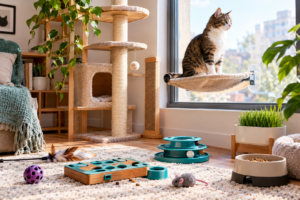
- High places (cat trees, shelves) for observation.
- Daily interactive play sessions (10–15 minutes, at minimum) to burn mental and physical energy.
- Puzzle toys or treat-dispensing feeders to satisfy their problem-solving drive.
A lack of stimulation is a common trigger for destructive scratching or excessive climbing in this breed, so consistent enrichment isn’t optional; it’s part of basic care.
Health, Lifespan, and Common Medical Issues
A healthy Abyssinian typically lives 9 to 15 years, and cats who receive consistent preventive care often reach the upper end of that range or beyond. The breed’s relatively lean genetic history means fewer of the structural problems seen in some other purebreds, but it does carry a handful of well-documented inherited conditions.
| Condition | What it is | Typical signs | Management |
|---|---|---|---|
| Renal (AA) amyloidosis | A familial condition in which abnormal protein deposits build up in the kidneys. It’s well documented in the breed, though researchers haven’t established exactly how common it is; it typically appears between 1 and 5 years of age. | Increased thirst and urination, weight loss, signs of kidney failure | Baseline and annual bloodwork/urinalysis, phosphorus-controlled diet if diagnosed, supportive veterinary care |
| Progressive retinal atrophy (PRA-rdAc) | An inherited mutation (CEP290 gene) causing gradual retinal degeneration. Carrier frequency varies widely between countries and bloodlines. | Night blindness that progresses to full vision loss, usually by 3–5 years | DNA testing before breeding; no treatment once vision loss begins, but affected cats adapt well in a stable home |
| Pyruvate kinase (PK) deficiency | An inherited enzyme deficiency that shortens red blood cell lifespan, causing hemolytic anemia. Documented specifically in Abyssinians and Somalis. | Lethargy, weakness, pale gums, weight loss, occasional jaundice; signs can be intermittent. | DNA testing (PK-Def panel); no cure, but many mildly affected cats live long lives with monitoring |
| Dental disease | Common across the breed, as in most cats. | Bad breath, difficulty eating, gum inflammation | Daily brushing where possible, annual dental checks, professional cleanings as needed |
| Feline infectious peritonitis (FIP) | Rare but serious viral disease; not unique to the breed. | Lethargy, abdominal fluid, weight loss | No cure; early veterinary diagnosis improves the odds with current antiviral treatment protocols |
Lifespan factors
- Nutrition: A balanced, high-quality-protein diet supports kidney health over the long term.
- Weight management: Overweight Abyssinians face added joint strain and metabolic stress.
- Dental care: Regular brushing reduces the bacterial load that can otherwise affect the heart and kidneys over time.
Preventive screening schedule
- 6 months: Baseline bloodwork, urinalysis, and DNA testing for PRA-rdAc and PK deficiency.
- 12 months: Full physical exam, dental check, eye exam.
- Annually: CBC, chemistry panel, blood pressure check, kidney function screening.
- Every 2–3 years after age 8: Advanced renal panel; ultrasound if bloodwork suggests a problem.
Sticking to this schedule is the most reliable way to catch renal amyloidosis or PRA early, and it’s a conversation worth having with your vet at your Abyssinian’s very first visit.
Feeding and Nutrition Guidelines for the Abyssinian Cat Breed
Because the Abyssinian cat breed is so active, its diet needs to be rich in animal protein, moderate in fat, and light on carbohydrates. For a deeper breakdown of what every cat needs daily, see our guide to the essential nutrients for cats.
Daily calorie estimate
| Life Stage | Approx. Calories per Day* |
|---|---|
| Kitten (0–6 months) | 250–340 kcal |
| Junior (6–12 months) | 210–260 kcal |
| Adult (1–10 years) | 180–220 kcal |
| Senior (10+ years) | 150–180 kcal |
*Calorie needs vary with activity level and individual metabolism; use these as a starting point, not a fixed rule.
Recommended diet composition
- Protein: At least 30% of calories, from named animal sources like chicken, turkey, or fish.
- Fat: 12–18% of calories for energy and a healthy coat.
- Carbohydrates: Kept low; excess carbs offer little benefit to an obligate carnivore.
- Omega-3 fatty acids: Support skin, coat, and joint health; look for fish oil or salmon in the ingredient list.
Sample weekly feeding plan
| Day | Morning Meal | Evening Meal |
|---|---|---|
| Mon | ¼ cup high-protein kibble + 1 tbsp canned tuna (in water) | ¼ cup kibble + ½ tsp fish oil |
| Tue | ¼ cup kibble + 1 tbsp boiled chicken breast (no skin) | ¼ cup kibble + 1 tbsp pureed pumpkin |
| Wed | Same as Monday | Same as Tuesday |
| Thu | ¼ cup kibble + 1 tbsp scrambled egg (no butter) | ¼ cup kibble + ½ tsp salmon oil |
| Fri | Same as Monday | Same as Thursday |
| Sat | ¼ cup kibble + 1 tbsp low-fat cottage cheese | ¼ cup kibble + 1 tbsp steamed green beans |
| Sun | Same as Wednesday | Same as Monday |
Tips for feeding:
- Portion control: A kitchen scale is far more accurate than a measuring cup.
- Fresh water: Change it daily; a water fountain can encourage cats who are reluctant drinkers.
- Avoid toxic foods: Grapes, onions, garlic, and chocolate are all dangerous for cats.
A well-balanced diet keeps the Abyssinian cat breed energetic, supports a healthy weight, and helps protect kidney function throughout life, especially relevant given the breed’s amyloidosis risk.
Grooming Requirements and Coat Care
The Abyssinian cat breed’s short, fine coat requires minimal but consistent grooming.
Daily grooming routine
- Brush: A soft rubber brush or grooming glove once a day removes loose hair and distributes natural oils.
- Check ears: Wipe the outer ear with a cotton ball and a vet-approved cleaner as needed.
- Inspect paws: A quick daily check catches litter buildup or minor injuries early.
Weekly and monthly tasks
| Task | Frequency | Tools |
|---|---|---|
| Full coat brush (slicker) | 3–4 times/week | Slicker brush |
| Nail trim | Every 3–4 weeks | Guillotine or scissor clipper |
| Dental care | 2–3 times/week | Cat-safe toothbrush, enzymatic toothpaste |
| Bath (if needed) | Every 6–8 weeks or when dirty | Cat-specific shampoo, optional conditioner |
| Flea/tick prevention | Monthly | Spot-on or oral medication, as recommended by your vet |
Seasonal grooming tips
- Spring: Heavier shedding; an undercoat rake helps remove the thicker winter coat.
- Summer: Keep paws dry and trim hair between paw pads to avoid matting.
- Fall: A light conditioning spray can help protect the coat against damp weather.
- Winter: Keep the coat clean and dry; indoor cats near drafty windows may appreciate a warm bed away from cold glass.
Regular grooming maintains the Abyssinian’s sleek appearance and doubles as a daily health check for skin issues, parasites, or early signs of illness.
Training, Enrichment, and Mental Stimulation
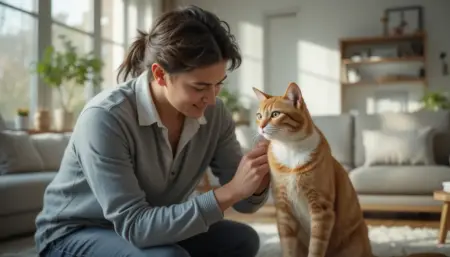
Training an Abyssinian is genuinely rewarding, since these cats actively enjoy solving problems and pleasing their owners. The same reward-based principles that work for positive reinforcement training in other cats apply here. Abys just tend to pick things up faster than most.
Basic obedience training
- Sit: Hold a treat above the cat’s head; as it lifts its rear, say “Sit” and mark the moment with a click or a “Yes!”
- Come: Use a high-value treat and a consistent cue (“Here”). Click and reward the moment the cat arrives.
- Leave it: Present a low-value object, say “Leave it,” and reward when the cat looks away.
Keep sessions under five minutes to match the Abyssinian’s short attention span, and end on a success.
Enrichment ideas
- Puzzle feeders: Food hidden inside a maze or rotating compartment channels natural foraging instincts.
- Interactive play: Wand toys and motorized toy mice mimic prey movement far better than a stationary toy ever could.
- Climbing towers: Tall cat trees with multiple perches give Abyssinians the height they crave to survey their territory.
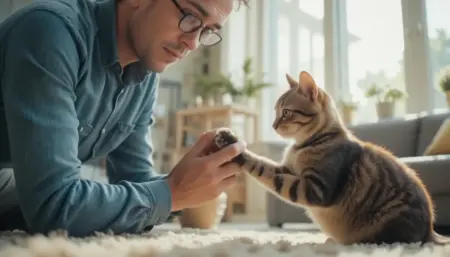
- Trick training: “High five,” “spin,” or “fetch” double as mental stimulation, not just party tricks.
Structured enrichment schedule
| Time of Day | Activity | Duration |
|---|---|---|
| Morning (after breakfast) | Puzzle feeder | 10 minutes |
| Mid-day (post-nap) | Interactive play (wand toy) | 15 minutes |
| Evening (before dinner) | Training drill (new cue) | 5 minutes |
| Night (before bedtime) | Gentle grooming and cuddle time | 5 minutes |
Consistently offering this kind of structure reduces boredom-driven mischief and strengthens the bond with your Abyssinian.
Socialization and Interaction with Other Pets
Because Abyssinians are naturally curious and confident, early socialization matters mostly to channel that confidence, rather than to prevent shyness.
Socialization timeline (first 12 weeks)
- Weeks 4–6: Introduce gentle background noises (vacuum, traffic) at low volume.
- Weeks 6–8: Invite calm visitors and reward relaxed behavior with treats.
- Weeks 8–10: Arrange short, neutral-ground meetings with other friendly cats.
- Weeks 10–12: Practice brief periods of solo time (2–5 minutes) to build confidence in solitude.
Tips for multi-pet households
- Separate resources: Give each animal its own food bowl, litter box, and sleeping area.
- Supervised introductions: If you’re adding an Abyssinian to a home with an existing cat, a slow, scent-first introduction matters even more given their confident personalities. Our step-by-step introduction guide walks through the process.
- Positive reinforcement: Reward calm, non-aggressive behavior from both animals during early meetings.
Managed well, the Abyssinian often becomes the social hub of a multi-pet home, encouraging play and easing tension between other animals.
Living Environment: Ideal Home for an Abyssinian Cat Breed
Choosing the right living space sets the stage for a happy, healthy Abyssinian.
Indoor-only vs. indoor/outdoor
- Indoor-only: Safer from traffic, parasites, and territorial fights. Requires ample vertical space and toys to satisfy hunting instincts.
- Indoor/outdoor (supervised): Offers natural stimulation via a secure catio or enclosed patio; pair with a breakaway collar and a microchip.
Essential home features
- Climbing opportunities: Cat trees, wall shelves, window perches.
- Safe hiding spots: Covered beds, boxes, or fabric tunnels.
- A quiet retreat: A low-traffic room the cat can escape to when overstimulated.
Temperature considerations
The Abyssinian tolerates moderate temperatures well but generally prefers a warm environment (65–78°F). Avoid extreme cold, and provide a heated pad in winter if your cat likes to perch near drafty windows.
A well-designed environment reduces stress, curbs destructive behavior, and lets the breed’s natural elegance shine through.
Selecting a Kitten: Adoption vs. Reputable Breeder
Bringing an Abyssinian into your family usually comes down to a choice between adoption and a reputable breeder.
Adoption advantages
- Saving a life: Shelters occasionally have adult Abyssinians or Aby mixes looking for a second home.
- Lower cost: Adoption fees typically range from $100–$300, often including initial veterinary care.
- Known temperament: Many shelters can offer a behavior profile based on observed history.
Reputable breeder benefits
- Health testing: DNA testing for PRA-rdAc, PK deficiency, and screening for amyloidosis risk factors reduces the odds of inherited disease.
- Pedigree documentation: Papers tracing lineage and confirming conformity to breed standards.
- Early socialization: Reputable breeders expose kittens to handling, household sounds, and basic routines before they go home.
Questions to ask a breeder
- Health testing: “Can you share DNA or veterinary test results for PRA and PK deficiency, and any known amyloidosis history in the line?”
- Parent temperament: “How do the sire and dam behave around children and other pets?”
- Living conditions: “Are kittens raised in a home environment with daily human interaction?”
- Contract and guarantee: “Do you offer a health guarantee and require spay/neuter for pet-quality kittens?”
Red flags to avoid
- No health testing documentation offered.
- Overcrowded facilities or signs of a high-volume “kitten mill.”
- No opportunity to meet the kitten’s mother.
Whether you adopt or buy, doing this homework upfront gets you a healthier, better-socialized Abyssinian.
Cost of Owning an Abyssinian Cat Breed
Owning an Abyssinian involves recurring costs well beyond the initial adoption or purchase fee.
| Expense | Annual Cost (USD) | Details |
|---|---|---|
| Food (high-quality protein) | $300–$500 | Premium dry or wet diet |
| Routine veterinary care | $200–$350 | Exams, vaccinations, flea/tick prevention |
| Dental cleaning (roughly every 2 years) | $150–$250 (averaged) | Supports overall health, including heart and kidneys |
| Litter and supplies | $120–$180 | Clumping litter, scoops, replacement boxes |
| Toys and enrichment | $80–$150 | Puzzle feeders, climbing trees |
| Pet insurance (optional) | $250–$350 | Covers unexpected illness or injury |
| Total average yearly cost | $1,100–$1,800 | |
| One-time adoption/purchase | $100–$3,000 | Adoption fee vs. breeder price |
Budgeting for these costs upfront means you can consistently provide the nutrition, medical care, and mental enrichment an Abyssinian needs to thrive for well over a decade.
FAQs
What makes the Abyssinian cat breed different from other short-haired cats?
Its ticked coat, large expressive eyes, and high energy set it apart. It needs more interactive play and mental stimulation than many laid-back short-haired breeds.
Are Abyssinian cats suitable for first-time owners?
Yes, provided the owner commits to daily play, grooming, and regular veterinary checks. Their bold, food-motivated personality makes training relatively easy, but the need for stimulation can feel demanding for a first-timer who wasn’t expecting it.
Do Abyssinians get along with dogs?
Usually, yes. Gradual, supervised introductions help an Abyssinian and a calm dog form a genuine bond.
How often should I take my Abyssinian to the vet?
At least once a year for a wellness exam, with more frequent kidney screening after age 8, plus any visits prompted by new symptoms.
Is the Abyssinian cat breed prone to obesity?
Their high energy helps, but overfeeding still causes weight gain. Monitor portions, keep the cat active, and schedule regular weigh-ins with your vet.
Conclusion
The Abyssinian cat breed offers a genuinely rare combination: wild-type elegance, near-constant curiosity, and real affection for its people. Its actual history, rooted in the Indian Ocean coast and Southeast Asia rather than Egypt or Abyssinia, is arguably more interesting than the myth.
By understanding where the breed really comes from, staying ahead of its known health risks, and meeting its need for daily enrichment, you can expect a vibrant, long-lived companion.
Start today by setting up a climbing perch, introducing a puzzle feeder, and scheduling that first veterinary visit, including a conversation about DNA testing for PRA and PK deficiency. Small steps now pay off in a healthier, happier cat for years to come.