






For most healthy adult dogs and cats, switching pet food is unnecessary if the current diet is nutritionally complete and well-tolerated. If you choose to introduce variety, limit major diet changes to once every three to four months, and always transition gradually over seven to ten days.
Pets with sensitive stomachs, chronic conditions, or food allergies should remain on a consistent, veterinarian-approved diet unless a medical reason demands a change.
Why Pet Owners Consider Switching Pet Food
Pet food aisles are overwhelming. Dozens of brands promise shinier coats, higher energy, and longer lifespans. It is natural to wonder whether your dog or cat might benefit from something new.
Common triggers for considering a switch include marketing claims about “superior” ingredients, a pet seeming bored with meals, digestive issues, a manufacturer recall or safety concern, life stage transitions, or simply the desire to provide dietary variety.
Understanding the real benefits and risks of switching pet food helps you make an informed decision rather than an emotional one.
The Decision-Making Framework: Should You Switch?
Before switching pet food, evaluate your situation against four key criteria. This framework prevents unnecessary disruption to your pet’s digestive health while ensuring you act when change is truly warranted.
Criterion 1: Current Diet Performance
Ask yourself whether your pet is thriving on their current food. Indicators of a well-suited diet include consistent stool quality, healthy body weight, a shiny coat, stable energy levels, and enthusiasm at mealtime. If all of these are present, switching pet food offers little benefit and introduces unnecessary risk.
Criterion 2: Medical or Life Stage Necessity
Some changes are non-negotiable. Kittens must transition to adult food around twelve months of age. Senior pets may require adjusted protein and phosphorus levels. Pets diagnosed with diabetes, kidney disease, obesity, or food allergies often need prescription diets. In these cases, switching pet food is a medical decision guided by your veterinarian, not a lifestyle choice.
Criterion 3: Digestive Sensitivity
Pets vary widely in gastrointestinal resilience. Some dogs and cats can tolerate ingredient rotation without issue. Others experience vomiting, diarrhea, or appetite loss from even minor formula adjustments. If your pet has a history of sensitive digestion, inflammatory bowel disease, or pancreatitis, dietary consistency is usually the safer path.
Criterion 4: Owner Goals
Be honest about your motivation. Are you seeking to address a specific health concern, or are you chasing a trend? Nutritional adequacy in commercial pet food is governed by AAFCO nutrient profiles, and a mid-tier food from a reputable manufacturer often meets your pet’s needs as well as a premium alternative. Switching pet food for perceived status or marketing hype rarely benefits the animal.
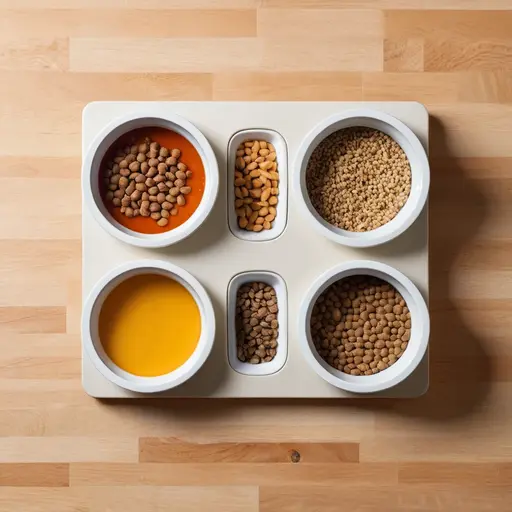
Scenario Breakdown: When to Switch and When to Stay
Scenario A: Your Pet Is Healthy and Happy
Recommendation: Stay the course.
If your adult dog or cat is doing well on a complete and balanced commercial diet, there is no veterinary requirement to switch. The canine and feline digestive systems adapt to consistent nutrient profiles, and unnecessary changes can disturb the gut microbiome.
If you still want to offer variety, consider rotating between flavors within the same brand and product line rather than changing the base formula entirely. This minimizes nutrient variability while providing sensory enrichment.
Scenario B: Your Pet Has Chronic Digestive Issues
Recommendation: Switch only under veterinary supervision.
Recurrent vomiting, loose stools, or flatulence may indicate food intolerance, allergy, or underlying disease. In these cases, switching pet food can be therapeutic — but it must be strategic.
Your veterinarian may recommend a novel protein diet, a hydrolyzed formula, or a highly digestible therapeutic food. Abruptly changing brands without diagnostic guidance often masks symptoms rather than solving them.
Scenario C: Your Pet Is Entering a New Life Stage
Recommendation: Plan a gradual transition.
Puppies and kittens need to transition to adult food at approximately one year of age. Senior pets — generally those over seven for dogs and over ten for cats — may benefit from diets adjusted for aging metabolisms. These transitions should occur over seven to ten days using a gradual mixing schedule.
Scenario D: You Want to Try Rotational Feeding
Recommendation: Proceed cautiously and infrequently.
Rotational feeding involves periodically switching pet food proteins or formulas to provide nutrient diversity. While some owners and breeders advocate for this practice, scientific evidence supporting widespread benefits is limited.
If you choose rotation, limit major formula changes to once every three to four months. Ensure protein and fat levels remain similar between foods, as abrupt shifts in macronutrient composition are more likely to cause gastrointestinal upset than ingredient changes alone.
Risk vs. Benefit Analysis
| Factor | Benefit of Switching | Risk of Switching |
|---|---|---|
| Nutritional variety | May help fill a genuine nutrient gap if the current formula falls short | Frequent switching prevents digestion from settling into a stable baseline, making problems harder to trace |
| Gut microbiome | Some rotation may promote microbial diversity | Abrupt changes often cause diarrhea, vomiting, and dysbiosis |
| Palatability | New flavors may increase mealtime enthusiasm | Picky eaters may reject new food entirely; cats, especially, risk hepatic lipidosis if they refuse food for several days |
| Medical management | Therapeutic diets can dramatically improve disease outcomes | Incorrect selection without veterinary input may worsen conditions |
| Cost | May find comparable nutrition at a lower price | Frequent premium-brand switching increases expense without proven benefit |
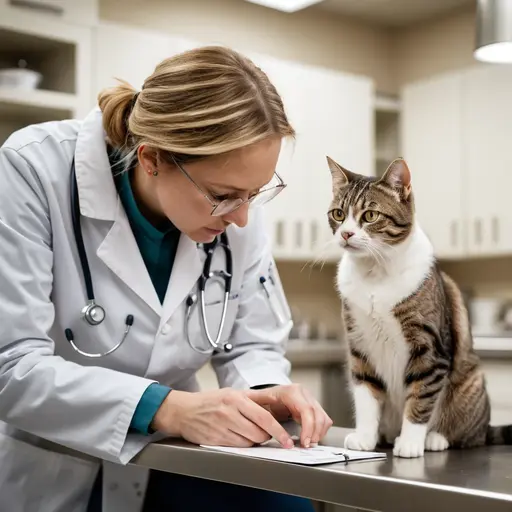
How to Transition Safely When Switching Pet Food
A gradual transition protects your pet’s gastrointestinal tract and increases acceptance of the new diet. The standard protocol spans seven to ten days.
Days 1–3: Feed 75 percent old food and 25 percent new food.
Days 4–6: Feed 50 percent old food and 50 percent new food.
Days 7–9: Feed 25 percent old food and 75 percent new food.
Day 10 onward: Feed 100 percent new food.
For pets with especially sensitive stomachs, extend each phase to three or four days. If diarrhea or vomiting occurs, step back to the previous ratio for an additional two to three days before proceeding. Never force a transition faster than your pet’s digestive system allows.
For a more detailed walkthrough of this process, including troubleshooting tips along the way, see our full guide to transitioning pet food safely.
Common Mistakes to Avoid
Switching too quickly. A sudden diet change is the leading cause of transition-related diarrhea. Even healthy pets need time for gut flora to adjust to new protein sources, fiber levels, and fat content.
Frequent bouncing between brands. Changing foods every few weeks prevents your pet’s digestive system from stabilizing. It also makes it impossible to identify which ingredient triggers a negative reaction if problems arise.
Ignoring the fat and protein gap. Switching from a moderate-protein, moderate-fat diet to a high-protein, high-fat formula is more disruptive than switching between similar macronutrient profiles. Pay attention to guaranteed analysis panels, not just ingredient lists.
Using food rotation to treat undiagnosed illness. If your pet has chronic symptoms, switching pet food repeatedly without veterinary evaluation delays proper diagnosis. Conditions like exocrine pancreatic insufficiency, inflammatory bowel disease, and food allergies require targeted management, not guesswork.
Forcing a therapeutic diet. Prescription diets are formulated for specific medical conditions. Feeding a renal diet to a healthy pet, or an allergy diet without confirmed sensitivity, is unnecessary and potentially harmful.
How Often Is Too Often?
For healthy pets without medical indications, limit complete diet overhauls to once every three to four months at most. More frequent switching of pet food increases the risk of gastrointestinal upset without providing documented health benefits. If you prefer to offer variety, safer alternatives include:
- Rotating between wet and dry versions of the same formula
- Offering different protein flavors within the same product line
- Using vet-approved treats or toppers for sensory variety rather than changing the base diet
Cats are particularly sensitive to dietary disruption. Felines develop strong food preferences early in life and may refuse new options entirely. Because cats can develop hepatic lipidosis — a life-threatening liver condition — after just a few days of inadequate food intake, forcing frequent switches is especially risky for them.

Special Considerations for Homemade and Raw Diets
Owners who feed home-prepared or raw diets sometimes switch proteins or recipes more frequently. This approach requires extreme caution.
Generic recipes from books or websites are frequently nutritionally imbalanced, and seemingly minor substitutions — such as using ground beef instead of turkey breast — can drastically alter calories, protein, and fat content.
If you feed a home-prepared diet and wish to rotate recipes, each formulation should be reviewed by a board-certified veterinary nutritionist to ensure it meets your pet’s specific needs.
Raw meat-based diets carry additional risks, including bacterial contamination and nutritional imbalance. The American Veterinary Medical Association discourages feeding raw or undercooked animal-source protein due to documented health risks to pets and human household members.
Signs That a New Diet Is Not Working
Monitor your pet closely during and after any transition. Contact your veterinarian if you observe:
- Diarrhea lasting more than 48 hours
- Repeated vomiting or vomiting with blood
- Loss of appetite or refusal to eat for more than 24 hours
- Lethargy or behavioral changes
- Excessive gas or abdominal discomfort
- Itchy skin, ear infections, or other allergy signs developing two to eight weeks after the switch
These symptoms may indicate food intolerance, allergy, or an unrelated medical issue requiring professional evaluation.
FAQ: Real Questions from Pet Owners
Is it okay to switch pet food brands every month?
No. Monthly switching of pet food is too frequent for most pets. It destabilizes digestion, complicates allergy identification, and offers no proven nutritional advantage. Limit complete formula changes to once every three to four months unless directed otherwise by your veterinarian.
Will my pet get bored eating the same food every day?
Probably not. Dogs and cats do not experience food boredom the way humans do. They have far fewer taste receptors and generally prioritize reliability over novelty. If your pet eats enthusiastically, maintain the current diet.
Can I switch pet food cold turkey if both foods are similar?
Even similar foods should be transitioned gradually. Different manufacturing processes, ingredient sourcing, and nutrient bioavailability mean “similar” labels do not guarantee digestive compatibility. A seven-day minimum transition is the safest standard.
Should I rotate proteins to prevent allergies?
No strong evidence supports the idea that rotating proteins prevents food allergies from developing — veterinary dermatology sources describe it as unproven rather than protective. There’s also a practical downside: every protein your pet eats regularly becomes one that can no longer serve as a genuinely “novel” protein if you ever need to run an elimination diet trial to diagnose a real allergy. If food allergy is a concern, consult your veterinarian about a structured elimination diet rather than ad hoc rotation.
What if my pet refuses the new food?
Never let a cat go more than 24 hours without eating. For dogs, appetite loss beyond 48 hours warrants veterinary attention. If refusal occurs during a transition, try warming the food slightly, adding a small amount of low-sodium broth, or stepping back to a higher ratio of the old food. Persistent refusal may indicate the new food is unsuitable — though if pickiness is a longstanding pattern rather than a transition hiccup, our guide to handling a picky eater dog or cat covers more targeted strategies.

Final Guidance
Switching pet food is a decision that should be driven by your pet’s health status, life stage, and medical needs — not by marketing pressure or the desire for variety.
Healthy adult pets thriving on a complete and balanced diet rarely need change. When a switch is necessary, follow a gradual seven-to-ten-day transition, monitor closely for adverse reactions, and involve your veterinarian in any medically motivated change. Consistency, patience, and evidence-based decision-making will keep your pet’s nutrition on solid ground.