

Indoor pet fitness involves structured physical activities performed inside the home to maintain your animal’s health without outdoor access. Effective methods include treadmill walking, puzzle feeders, and hallway fetch sessions tailored to the species needs.
Maintaining activity levels prevents obesity and behavioral issues. This guide details safe routines for dogs and cats to ensure wellness regardless of weather conditions.
The Complete Guide to Keeping Your Animal Active Inside
Pet owners often face challenges when weather conditions, safety concerns, or living arrangements prevent outdoor exercise. Rain, snow, extreme heat, or urban environments can limit traditional walks and playtime.
However, a sedentary lifestyle poses significant health risks for companion animals. Implementing a robust indoor pet fitness regimen ensures your companion remains physically strong and mentally sharp, regardless of what is happening outside your door.
Obesity is one of the most common health issues facing modern pets. According to the American Veterinary Medical Association, excess weight contributes to diabetes, joint problems, and reduced lifespan.
When outdoor options are unavailable, owners must pivot to internal solutions. This comprehensive guide explores scientifically backed methods to maintain your animal’s vitality within the confines of your home.
By understanding species-specific needs and safety protocols, you can create a sustainable routine that promotes longevity and happiness.
Why Indoor Exercise Matters for Pet Health
Physical activity is not merely about burning calories; it is fundamental to physiological and psychological well-being. Dogs and cats evolved to move, hunt, and explore.
When confined indoors without stimulation, they often develop destructive behaviors rooted in boredom or anxiety. A structured indoor pet fitness plan addresses these behavioral triggers by providing an outlet for instincts.
For dogs, lack of exercise can lead to excessive barking, chewing, and digging. Cats may exhibit aggression or inappropriate elimination when their hunting drive goes unfulfilled.
Indoor activities simulate these natural behaviors in a controlled environment. Furthermore, consistent movement supports cardiovascular health, muscle tone, and joint mobility.
This is particularly crucial for senior animals who may struggle with uneven outdoor terrain but still require movement to prevent stiffness.
Environmental factors also play a significant role. Air quality issues, pollen counts, or dangerous wildlife in your area might make outdoor time risky.
In these scenarios, indoor pet fitness becomes a primary health strategy rather than a backup plan. By prioritizing internal activity, you reduce exposure to parasites, toxins, and traffic accidents while maintaining your pet’s physical condition.
Dog-Specific Indoor Workouts
Canines require a mix of cardiovascular endurance and strength training. While a hallway cannot replace a long hike, specific exercises can mimic the benefits of outdoor exertion. The key is intensity and engagement rather than just distance.
Hallway Fetch and Stair Climbing
Fetch is a classic game, but it can be adapted for smaller spaces. Use a soft toy to prevent damage to walls or floors. If you have a long corridor, encourage your dog to sprint back and forth.
For added resistance, utilize stairs if your dog is physically capable. Stair climbing builds hindquarter strength and improves cardiovascular health.
However, avoid this with breeds prone to intervertebral disc disease or senior dogs with arthritis. Always monitor fatigue levels to prevent overheating, even indoors.
Treadmill Training
Dog-specific treadmills are excellent tools for indoor pet fitness. They allow for controlled speed and incline, making them ideal for weight loss programs or high-energy breeds.
Never use a human treadmill without a safety clip and supervision, as the mechanics differ. Start slowly, allowing your dog to acclimate to the moving surface.
Sessions should begin at five minutes and gradually increase. This method provides consistent pacing that is difficult to achieve with manual play.
Hide and Seek
This game engages both the body and the mind. Have your dog stay in one room while you hide elsewhere in the house. Call their name once and let them search for you. When they find you, reward them with praise or a treat.
This encourages running, sniffing, and problem-solving. It is a low-impact way to burn energy that reinforces recall commands. Incorporating training into exercise maximizes the efficiency of your indoor pet fitness routine.
Obstacle Courses
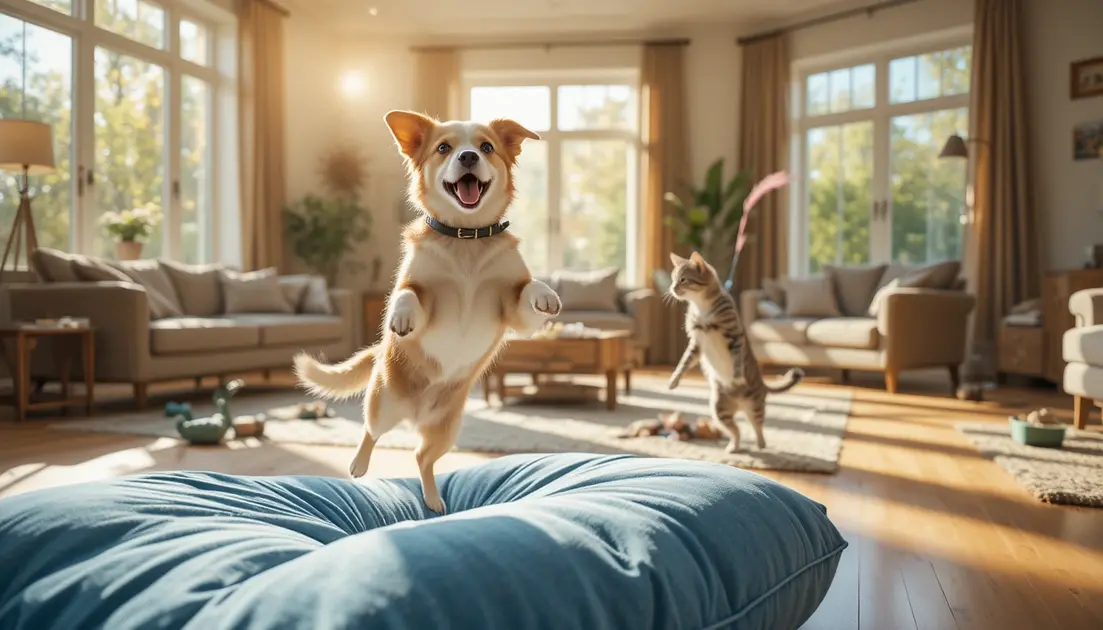
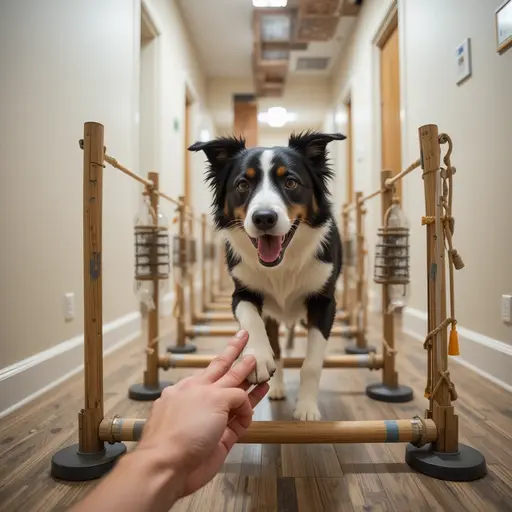
Create a makeshift agility course using household items. Cushions can serve as jumps, chairs can create weave poles, and blankets can form tunnels. Guide your dog through the course using treats.
This improves coordination, balance, and obedience. It also strengthens the bond between owner and pet. Ensure all structures are stable to prevent injury.
This type of play is particularly beneficial for working breeds that require high mental stimulation alongside physical exertion.
Cat-Specific Indoor Enrichment
Felines have different exercise requirements than canines. Cats are built for bursts of high-intensity activity followed by rest. Their indoor pet fitness needs focus on simulating the hunt. Vertical space is just as important as floor space for cats.
Interactive Wand Play
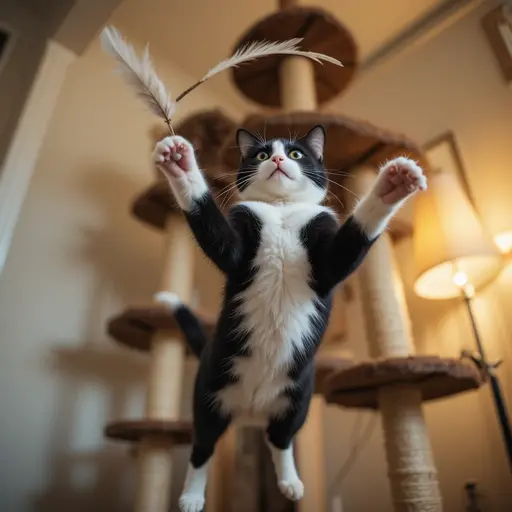
Laser pointers are popular, but they can cause frustration because the cat never catches the prey. Instead, use feather wands or string toys that allow the cat to physically capture the object.
Move the toy erratically to mimic a bird or mouse. Engage your cat in 15-minute sessions twice daily. This mimics the hunt-eat-groom-sleep cycle.
Ending the session with a meal reinforces the natural predatory sequence, providing psychological satisfaction.
Vertical Climbing Structures
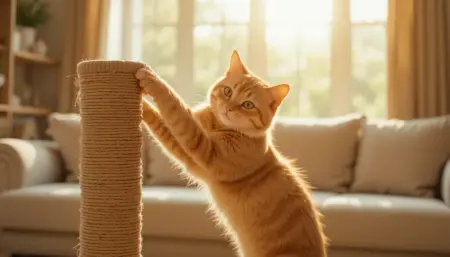
Cats feel secure when they can survey their territory from above. Cat trees, wall-mounted shelves, and window perches encourage climbing and jumping.
This builds muscle mass in the shoulders and legs. Place feeding stations at different heights to encourage movement throughout the day.
A multi-level environment is a cornerstone of effective indoor pet fitness for cats, preventing lethargy associated with flat living spaces.
Food Puzzles and Foraging
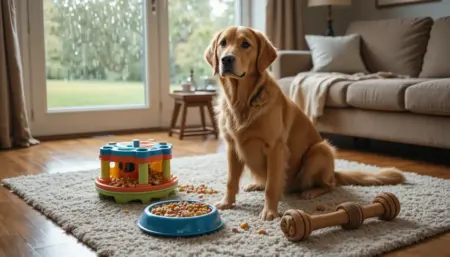
In the wild, cats work for their food. Domestic cats often eat from bowls with zero effort. Puzzle feeders require cats to bat, roll, or dig to retrieve kibble.
This slows down eating and provides mental stimulation. You can purchase commercial puzzles or create DIY versions using cardboard boxes with holes cut out.
Hiding treats around the house encourages sniffing and exploring. This passive activity adds up over the course of a day, contributing to overall calorie expenditure.
Tunnel Running
Collapsible fabric tunnels are inexpensive and highly effective for cats. Place treats at either end to encourage running through. You can connect multiple tunnels to create a maze.
This allows for safe sprinting without the risk of slipping on hardwood floors. It is an excellent option for multi-cat households, allowing them to chase each other without conflict.
Regular tunnel play helps maintain a healthy weight and prevents obesity-related diseases.
Safety Considerations for Indoor Training
Safety is paramount when transitioning to an indoor pet fitness program. Homes contain hazards that outdoor environments do not.
Slippery floors are a major risk for dogs and cats. Use rugs or yoga mats to provide traction during high-energy play. This prevents ligament tears and joint stress.
Remove fragile items from play areas. Dogs may not understand the value of a vase, and cats may knock things over during a chase.
Secure electrical cords and close doors to rooms containing chemicals or unsafe items. Always supervise treadmill use or obstacle courses to intervene if an animal becomes tangled or fatigued.
Hydration is critical. Indoor air can be dry, especially when heating or cooling systems are running. Ensure fresh water is available before, during, and after exercise.
Watch for signs of overheating, such as excessive panting in dogs or open-mouth breathing in cats. If you notice these signs, stop the activity immediately and allow them to cool down.
Consult your veterinarian before starting a new regimen, especially for senior pets or those with pre-existing conditions. The American Kennel Club recommends tailoring exercise intensity to your dog’s breed and age.
A one-size-fits-all approach can lead to injury. Your vet can provide guidance on appropriate heart rate zones and duration for your specific animal.
Equipment and Tools for Success
Investing in the right tools can enhance your indoor pet fitness efforts. While creativity works, specialized equipment often provides better safety and engagement.
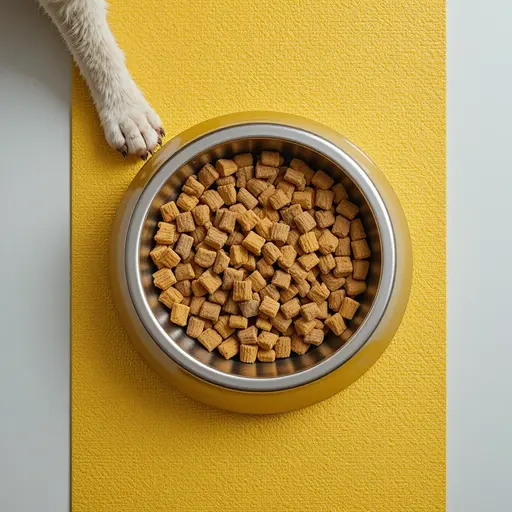
- Non-Slip Mats: Essential for hardwood or tile floors to prevent injury during running.
- Puzzle Feeders: Available in various difficulty levels to match your pet’s intelligence.
- Interactive Toys: Battery-operated toys that move unpredictably keep cats engaged when you are busy.
- Dog Treadmills: Specifically designed with lower speeds and safety rails for canines.
- Cat Trees: Multi-level structures that maximize vertical space in small apartments.
When selecting equipment, consider durability and ease of cleaning. Toys will be chewed and scratched. Ensure materials are non-toxic.
Avoid small parts that could be swallowed. Quality equipment lasts longer and provides a better return on investment regarding your pet’s health.
Monitoring Progress and Adjusting Routines
Just like human fitness, pet exercise requires progression. If your dog completes a hallway fetch routine easily, increase the distance or duration.
If your cat loses interest in a specific toy, rotate it out for a week. Keeping the routine dynamic prevents boredom.
Track your pet’s weight monthly. Sudden weight loss or gain indicates a need to adjust calorie intake or exercise output. Keep a log of activity sessions.
Note which exercises your pet enjoys most. Positive reinforcement ensures they look forward to workout time. If an animal shows reluctance or pain, reassess the activity.
Consistency is more important than intensity. Short, daily sessions are better than one long weekly workout.
FAQs
How much indoor exercise does my dog need?
Requirements vary by breed and age. High-energy breeds may need 60 minutes of vigorous activity, while seniors may only need 20 minutes of gentle movement. Consult your vet for specific recommendations tailored to your dog’s health profile.
Can indoor exercise replace outdoor walks entirely?
While indoor pet fitness is excellent for supplementation or bad weather, outdoor walks provide essential sensory stimulation through smells and socialization. Ideally, combine both. If outdoor walks are impossible, maximize mental enrichment indoors to compensate for the lack of environmental novelty.
What are the signs my pet is overexercised?
Look for excessive panting, lagging, limping, or reluctance to continue. Cats may lie on their side and breathe heavily. If you observe these signs, stop immediately. Pushing through fatigue can lead to heatstroke or musculoskeletal injury.
How do I keep my cat interested in indoor play?
Cats habituate quickly to static toys. Rotate toys weekly to keep them novel. Use food rewards to reinforce play. Engage in interactive play rather than leaving toys out all day. Mimicking prey movement is key to triggering their hunting instinct.
Conclusion
Maintaining your companion’s health does not strictly depend on access to a yard or park. With dedication and creativity, you can implement a successful indoor pet fitness strategy that keeps them lean, happy, and mentally engaged.
From hallway fetch for dogs to vertical climbing for cats, there are numerous ways to simulate natural movement within your home.
Prioritize safety, monitor your pet’s response, and consult veterinary professionals when unsure. By integrating these practices into your daily routine, you protect your pet from obesity and behavioral issues while strengthening your bond.
Start today by selecting one new activity to introduce this week. Your pet’s long-term health depends on the movement they get now.