






To stop dog chewing furniture, redirect to toys costing $5–$25. DIY options save money but need supervision. Persistent destruction suggests anxiety or an unmet need requiring professional help. Immediate redirection prevents property damage.
Ingestion risks range from low to severe. Vet care is required if objects are swallowed. Compare durability before buying to ensure safety and cost-effectiveness.
Key Takeaways
- Redirect immediately with an approved chew toy rather than punishing after the fact — dogs don’t connect delayed punishment with the original behavior.
- DIY enrichment (frozen towels, cardboard puzzles) costs next to nothing but needs supervision; durable rubber toys cost more upfront but hold up better unsupervised.
- Destruction that continues after two weeks of consistent redirection, or visible distress when left alone, points to an underlying cause worth a vet or trainer visit — not defiance.
- Ingested objects range from low risk (soft fabric) to severe (batteries, sharp plastic, wood splinters); call your vet or ASPCA Poison Control if you suspect ingestion.
- Match toy hardness to your dog’s chew strength — a toy that’s too easy to destroy just sends them back to the furniture.
Why Dogs Destroy Furniture
Dogs don’t chew your couch out of spite. They chew because they’re under-stimulated, anxious, or teething — and your furniture happens to satisfy their biological need to gnaw.
Without intervention, this escalates: a bored dog becomes a destructive dog, and a destructive dog becomes a safety risk.
The cycle is predictable. A dog left alone for 8–10 hours with no mental outlet seeks stimulation. Furniture corners offer resistance (satisfying jaw muscles). Cushions provide “prey-like” tearing feedback.
Each successful destruction session reinforces the behavior. Breaking this requires immediate management plus a long-term enrichment strategy.
Immediate Steps to Stop Dog Chewing Furniture
When you discover your dog destroying household items, you are facing a behavioral crisis. This behavior is not spite; it is often a symptom of boredom, teething, or separation-related stress. Immediate intervention is necessary to prevent injury and financial loss.
Immediate Intervention Steps
- Interrupt Safely: Make a sharp noise to stop the behavior without startling the dog into swallowing the item.
- Redirect: Immediately offer an approved chew toy.
- Reward: Praise calmly when they chew the correct item — consistent positive reinforcement teaches your dog what’s allowed faster than punishment ever will.
- Manage Environment: Use baby gates or crates to limit access to furniture when unsupervised.
Common Mistakes to Avoid
- Punishing After the Fact: Dogs do not connect punishment with actions taken minutes ago. This increases anxiety.
- Using Old Shoes: Giving old socks or shoes confuses dogs about what is acceptable to chew.
- Ignoring Exercise: A tired dog is less likely to seek destructive outlets.
Root Cause Explanation
Chewing releases endorphins in dogs, which is part of why it’s self-soothing. If your dog lacks mental stimulation or physical exercise, they’ll create their own fun — and furniture is durable, accessible, and always available. Puppies chew mainly from teething discomfort, which typically peaks between 3 and 6 months as adult teeth push through; adults more often chew out of boredom or stress. On rainy days or long stretches stuck indoors, indoor enrichment activities can fill the same gap that furniture is currently filling.
When to Seek a Professional Trainer or Vet
If redirection fails after two weeks, or if the dog shows signs of distress when left alone, consult a professional. Compulsive chewing can indicate underlying medical issues or severe separation anxiety. If you don’t already have one, you can find a certified trainer or applied animal behaviorist through the International Association of Animal Behavior Consultants.
Cost Comparison: Store-Bought Toys vs. DIY Enrichment
Budget is a major factor when managing destructive behavior. You need durable solutions that do not break the bank. Below is a breakdown of costs and value.
Cost Breakdown Table
| Item Type | Average Cost | Lifespan | Safety Level |
|---|---|---|---|
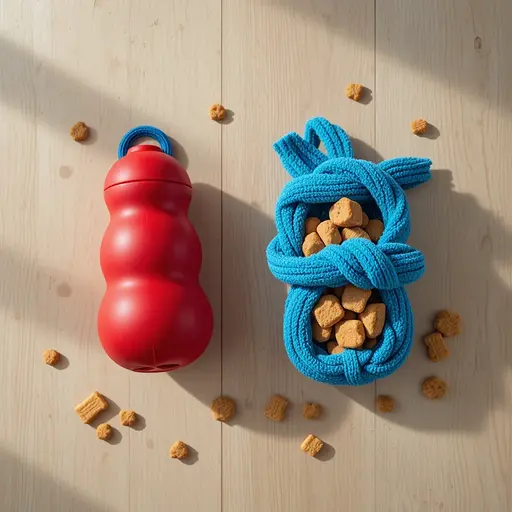
| Rubber Kong Toy | $10 – $25 | 6+ Months | High |
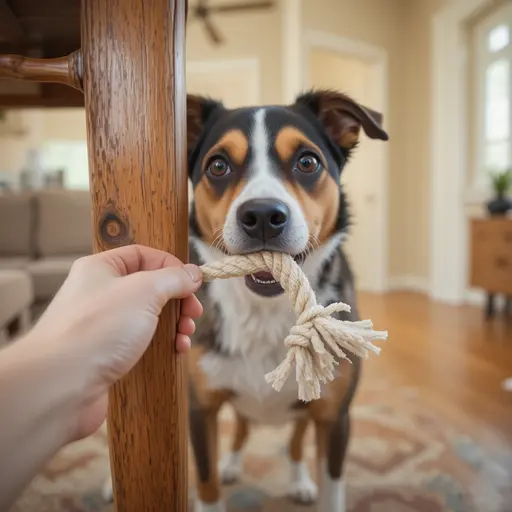
| Rope Toy | $5 – $10 | 2–4 Weeks | Moderate |
| DIY Frozen Towel | $0 (Home items) | 1 Use | High (Supervised) |
| Cardboard Box Puzzle | $0 (Recycled) | 1 Use | High |
| Cheap Plastic Toy | $3 – $5 | 1–2 Days | Low (Choking Hazard) |
Factors Affecting Price
- Material Density: Harder rubber costs more but lasts longer for power chewers.
- Brand Reputation: Veterinary-recommended brands often charge a premium for safety testing.
- Size: Larger dogs require larger, more expensive toys to prevent swallowing.
Ways to Reduce Costs Safely
- Rotate Toys: Keep only three toys out at a time. Rotate them weekly to maintain novelty without buying new items.
- DIY Enrichment: Freeze wet food in a sealed container, hide treats in a clean cardboard box, or try a few budget-friendly enrichment toys that double as mental exercise.
- Buy in Bulk: Purchase durable rubber toys during sales rather than replacing cheap plastic toys weekly.
When Cheaper Options Are Risky
Avoid soft plastic toys found in discount bins. These often splinter easily. If a dog ingests sharp plastic, it can cause internal lacerations. Always prioritize durability over price when safety is at stake.
Side-by-Side Comparison: Best Choice by Scenario
| Scenario | Recommended Option | Why? |
|---|---|---|
| Power Chewer | Heavy-Duty Rubber | Prevents ingestion of broken pieces. |
| Puppy Teething | Frozen Washcloth | Soothes gums safely at low cost. |
| Separation Anxiety | Food Puzzle Toy | Provides mental distraction while alone. |
| Tight Budget | DIY Cardboard Puzzle | Zero cost, high engagement, disposable. |
Safety Risks: What Happens If They Swallow It?
Ingestion of foreign objects is a serious medical emergency. Understanding the severity helps you make quick decisions.
Toxicity and Ingestion Severity Scale
- Low Risk: Soft fabric, small amounts of paper. Monitor stool.
- Moderate Risk: Rubber pieces, large fabric chunks. May cause blockage.
- Severe Risk: Batteries, strings, sharp plastic, wood splinters. Requires immediate vet care.
Immediate Action Checklist
- Remove Access: Remove any remaining pieces.
- Check Mouth: Look for remaining debris stuck in teeth or gums.
- Call Vet: Contact your veterinarian or the ASPCA Animal Poison Control Center immediately.
- Monitor: Watch for vomiting, lethargy, or loss of appetite.
Symptoms Timeline
- 0–2 Hours: Gagging, drooling, pawing at mouth.
- 2–24 Hours: Vomiting, diarrhea, abdominal pain.
- 24+ Hours: Lethargy, inability to pass stool (sign of blockage).
Prevention Tips
- Supervise DIY Toys: Never leave rope or fabric toys with unsupervised dogs.
- Inspect Regularly: Discard toys showing signs of wear or tearing.
- Dog-Proof Rooms: Remove temptations before leaving the house.
Foreign body ingestion is one of the most common reasons dogs need emergency surgery, according to veterinary surgeons and emergency clinics. The American Veterinary Medical Association recommends contacting your veterinarian right away if you suspect your dog swallowed something dangerous. Prevention is significantly cheaper than surgery — and a lot easier on your dog.
FAQ: Real Questions from Desperate Owners
How do I stop my dog from chewing furniture when I’m not home?
Management first: remove access to target items using barriers or a safe, dog-proofed room. Provide a high-value frozen toy that takes 20+ minutes to consume. Consider dog daycare or a midday walker if absences exceed 6 hours.
Are DIY enrichment toys safe?
Yes, with precautions. Use food-grade materials only. Avoid toxic foods (grapes, xylitol, chocolate, onions). Supervise the first few uses to ensure your dog doesn’t destroy or swallow the container. Replace any toy showing wear.
What if my dog ignores toys and still chews furniture?
The toy likely doesn’t match your dog’s chew motivation. Try different textures (rubber, rope, wood, rawhide alternatives). Increase the value by stuffing with high-reward foods. Ensure the toy is harder than furniture — if it’s too easy, they’ll return to the challenging couch leg.
How much should I budget monthly for enrichment?
Effective enrichment ranges from $10–$40 monthly. DIY frozen toys cost under $5. Durable rubber toys average $15–$25 initial investment lasting months. Rotate toys to maintain interest without constant purchasing.
Conclusion
Stopping destructive behavior requires a mix of management, training, and safe enrichment. To stop dog chewing furniture, you must redirect energy to appropriate outlets immediately. While DIY options reduce costs, durable store-bought toys often offer better safety for unsupervised chewing.
Evaluate the risk of ingestion carefully. If your dog consumes non-food items, seek veterinary advice promptly. By balancing cost with safety and addressing the root behavioral cause, you can protect both your home and your pet’s health.