






An Auggie is a small-to-medium mixed breed created by crossing a Pembroke Welsh Corgi with a Miniature (or Toy) Australian Shepherd. It’s not an officially recognized breed; you won’t find it in the AKC studbook, but it’s become a favorite for people who want an Aussie’s brains and herding drive in a much more compact, low-slung package.
This guide walks you through Auggie’s real size and appearance, temperament, health risks specific to this cross, and everyday care, so you know exactly what to expect before or after you bring one home.
Key takeaways:
- Auggies are small-to-medium dogs, typically 10–13 inches tall and 20–30 lb, not a large breed, despite what some sites claim.
- They’re a mix, not a purebred, so appearance, size, and temperament vary from litter to litter depending on which parent traits dominate.
- Two health risks are specific to this cross and worth knowing before you adopt: MDR1 drug sensitivity (from the Aussie side) and intervertebral disc disease, or IVDD (from the Corgi side).
- They’re highly trainable and food-motivated, making positive reinforcement especially effective.
- Daily exercise and mental enrichment matter more than square footage; a well-exercised Auggie can do fine in an apartment.
What Makes the Auggie Dog So Loyal?
Auggies earn their reputation for loyalty through a mix of genetics, social structure, and generations of human-focused herding work.
Core reasons for devotion
- Herding ancestry – Both parent breeds were bred to work closely alongside a single handler, so the Auggie naturally treats its household as its “flock” to watch and stay near.
- Strong bond-forming instincts – Petting, play, and training sessions reinforce attachment and make the dog more attentive to your cues over time.
- Intelligent, eager-to-please nature – The breed picks up new behaviors quickly when rewarded, which encourages repeated affectionate, attentive behavior.
Quick loyalty checklist
| Behavior | What it shows | How to nurture |
|---|---|---|
| Following you from room to room | Trust and companionship | Offer treats and praise for staying close |
| Greeting you at the door | Excitement and recognition | Use a calm “welcome” cue to keep the greeting polite |
| Lying near you for long periods | Need for closeness | Provide a comfortable bed or blanket and gentle petting |
Understanding these drivers helps you reinforce the Auggie’s natural desire to stay close, rather than accidentally discouraging it.

Physical Characteristics of the Auggie Dog
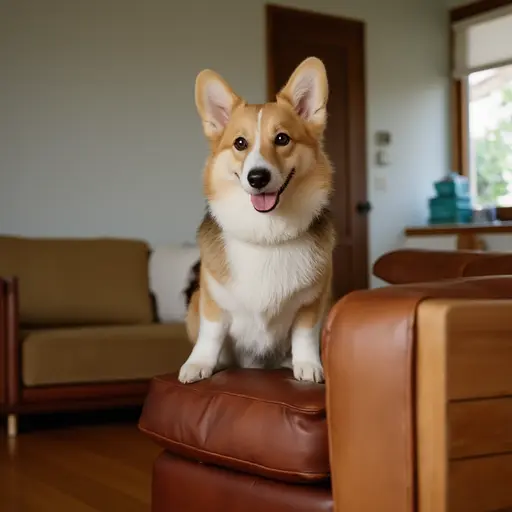
The Auggie is a small-to-medium dog closer in size to a Corgi than to a full-size Australian Shepherd because most Auggies come from a Miniature or Toy Australian Shepherd paired with a Corgi, not a Standard Aussie. That size difference matters: a Standard Aussie can weigh 40–65 lb, but breeding one to a 25–30 lb Corgi is uncommon, so the typical Auggie stays much smaller.
Size and build
- Height: 10–13 inches (25–33 cm) at the shoulder
- Weight: 20–30 lb (9–14 kg), with some individuals ranging 15–35 lb depending on which parent’s genes dominate
- Body shape: Long, low-set body from the Corgi side paired with a muscular, athletic build from the Aussie side, a compact frame built for agility and moderate herding work.
Because this is a first-generation cross rather than a standardized breed, size and proportions can vary noticeably even between littermates.
Coat and color
- Coat type: Medium-length double coat; soft undercoat with a straight-to-slightly-wavy outer layer.
- Typical colors:
- Classic tricolor: Black, tan, and white markings
- Solid red or chocolate with a white blaze
- Merle patterns (red merle or blue merle): a mottled, marbled coat inherited from the Australian Shepherd side, often paired with striking blue or partially blue eyes.
If you’re considering breeding or buying from a breeder pairing two merle-patterned parents, ask about genetic testing. Breeding merle to merle raises the risk of health problems in puppies, including deafness and vision issues.
Distinctive features
- Head: Broad skull, expressive dark eyes (sometimes blue or bi-colored on merle dogs), with a fox-like expression.
- Ears: Highly variable; some Auggies have the Corgi’s more upright ears, others the Aussie’s folded, semi-erect set, and many fall somewhere in between.
- Tail: Also highly variable. Depending on which Corgi tail genes are inherited, an Auggie may have a long tail, a natural bobtail, or no visible tail at all.
Coat care basics
| Area | Grooming Frequency | Why it matters |
|---|---|---|
| Outer coat | Brush 3–4 times/week | Removes loose hair and prevents matting |
| Undercoat | De-shed twice/year (spring/fall) | Manages the heavier seasonal shed common to double coats |
| Ears | Clean weekly | Prevents wax buildup and infection, especially on folded ears |
| Nails | Trim every 3–4 weeks | Long nails affect gait and can strain joints |
These physical traits guide your daily routine: coat type shapes your brushing schedule, and body length (especially on Auggies who lean more Corgi-shaped) is a good reminder to avoid letting your dog jump repeatedly from height, since a long back and short legs put more strain on the spine. (PetsMirror doesn’t yet have a dedicated buying guide for harnesses, collars, and bedding by dog size; it’s on our list.)
Temperament and Personality of the Auggie Dog
The Auggie’s personality is a big part of why owners call it a devoted family companion.
Core temperament traits
- Gentle and patient – Generally handles children’s clumsy affection without flinching, though early socialization still matters.
- Playful but not hyperactive – Enjoys a game of fetch, then settles for a cuddle.
- Protective without aggression – Alerts you to strangers with a soft bark, rarely escalating to growls when well socialized.
- Highly trainable – Learns new commands quickly when motivated with treats and consistent repetition.
How the Auggie Dog behaves at home
- Morning: Greets the household, may sit by the kitchen waiting for breakfast.
- Mid-day: Chooses a sunny spot for a nap; occasionally watches the yard for activity.
- Evening: Eager for a family walk, followed by a short play session and lap time.
Socialization tips
| Situation | Recommended Approach |
|---|---|
| New people | Invite guests for a calm “meet-and-greet” while offering treats |
| Other pets | Arrange a neutral-ground introduction, keeping the Auggie on a loose leash initially |
| Noisy environments | Play low-volume recordings of traffic or crowds, rewarding calm behavior |
By reinforcing calm reactions, you’ll keep the Auggie’s friendly disposition intact even in unfamiliar settings.
Health and Lifespan of the Auggie Dog
A healthy Auggie typically lives 12–15 years. Beyond general dog-health screening, two risks are specific to this exact cross and worth knowing before you adopt or breed one.
Breed-specific risks to know
- MDR1 (multidrug sensitivity) – Roughly half of Australian Shepherds and Miniature Australian Shepherds carry at least one copy of the MDR1 (ABCB1) gene mutation, which can cause severe or fatal reactions to drugs like ivermectin, certain sedatives, and some chemotherapy agents. Because Auggies inherit Aussie genetics, a simple DNA test done once, ideally before any medication is prescribed, tells your vet whether extra caution or dose adjustments are needed.
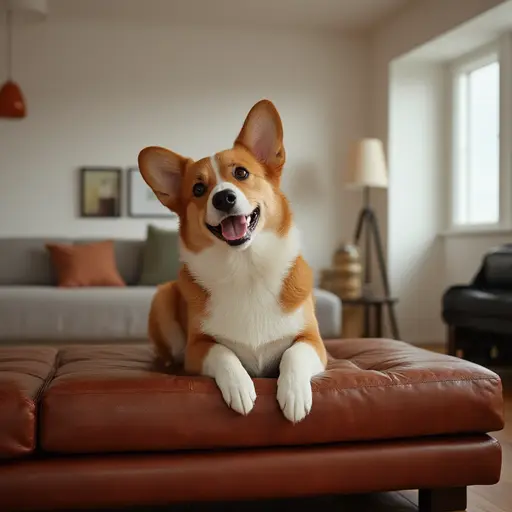
- Intervertebral disc disease (IVDD) – The Corgi’s long back and short legs carry a genetic predisposition to disc problems. Avoid letting your Auggie jump repeatedly from furniture or vehicles, and use ramps or steps where possible, especially as the dog ages.
Other common health concerns
| Condition | Symptoms | Prevention / Management |
|---|---|---|
| Hip dysplasia | Stiffness, difficulty rising | Controlled weight, joint-support supplements, regular low-impact exercise |
| Progressive retinal atrophy (PRA) | Night blindness, bumping into objects | DNA testing for breeders, early detection with eye exams |
| Hypothyroidism | Weight gain, lethargy, coat dullness | Periodic thyroid panel, medication if diagnosed |
| Allergic skin reactions | Itching, red patches | Regular bathing with a vet-approved shampoo, avoiding known allergens |
Uncertain about a specific symptom or how it applies to your dog? That’s exactly the kind of judgment call to bring to your veterinarian rather than guess at from a checklist.
Health-screening schedule
| Age | Test | Why it matters |
|---|---|---|
| As early as possible | MDR1 (ABCB1) DNA test | Flags drug-sensitivity risk before anesthesia or common medications are ever needed |
| 6 months | Hip/elbow X-rays | Detect dysplasia before symptoms appear |
| 1 year | DNA test for PRA | Identifies carriers, useful information for anyone considering breeding |
| 2 years | Thyroid panel | Catches hypothyroidism early |
| Annually | Full physical, dental, heart auscultation | General health maintenance |
| Every 2–3 years | Blood chemistry, CBC | Monitors organ function and detects hidden disease |
Longevity boosters
- Balanced diet (see Nutrition section)
- Weight control – Keep body condition score at 4–5 on a 9-point scale; extra weight is especially hard on a long-backed spine.
- Dental hygiene – Brush 2–3 times weekly or use dental chews.
- Mental enrichment – Puzzle toys, scent work, and training keep the mind sharp (see the Exercise section below for specific ideas).
Nutrition and Feeding Guidelines for the Auggie Dog
Because Auggies are a small-to-medium breed, their calorie needs are noticeably lower than what you’d feed a large dog. Sizing portions to a bigger breed is one of the most common feeding mistakes owners make with this mix.
Daily calorie estimate
| Life Stage | Approx. Calories/day* |
|---|---|
| Puppy (8–16 weeks) | 400–650 |
| Junior (4–12 months) | 550–850 |
| Adult (1–7 years) | 600–950 |
| Senior (7+ years) | 500–750 |
*Based on standard resting-energy calculations scaled to Auggie’s typical 15–35 lb range. Actual needs vary with individual weight, metabolism, and activity level; use the feeding guide on your dog’s specific food and adjust with your vet’s input rather than a fixed number.
Recommended diet composition
| Nutrient | Target for Adults | Reason |
|---|---|---|
| Protein | ≥22% | Muscle maintenance and coat health (above the AAFCO adult minimum of 18%, which suits this breed’s activity level) |
| Fat | ≥12% | Energy and essential fatty acids for skin and coat |
| Fiber | 3–5% | Digestion and weight control |
| Omega-3/6 | 0.5% (combined) | Reduces inflammation, supports joint health |
Feeding schedule
- Twice-daily meals – Morning and evening, roughly 12 hours apart.
- Measure portion size – Use a kitchen scale or calibrated scoop rather than eyeballing it.
- Add supplements only if recommended – Glucosamine for joint support is worth discussing with your vet given this breed’s IVDD and hip dysplasia risk.
Sample weekly menu (dry kibble + fresh add-ins)
| Day | Morning | Evening |
|---|---|---|
| Mon | ½–¾ cup high-protein kibble + ¼ cup boiled chicken | ½–¾ cup kibble + 1 tbsp canned pumpkin |
| Tue | ½–¾ cup kibble + 1 tbsp plain yogurt | ½–¾ cup kibble + ¼ cup green beans |
| Wed | Same as Monday | Same as Tuesday |
| Thu | ½–¾ cup kibble + ¼ cup cooked sweet potato | ½–¾ cup kibble + 1 tsp salmon oil |
| Fri | Same as Monday | Same as Thursday |
| Sat | ½–¾ cup kibble + ¼ cup cottage cheese | ½–¾ cup kibble + ¼ cup carrots |
| Sun | Same as Thursday | Same as Monday |
Exact portions depend on your specific food’s calorie density and your dog’s individual weight. Treat this as a starting template, not a fixed prescription. Rotate protein sources (chicken, turkey, fish, lean beef) to keep meals interesting and provide a broader nutrient profile.
Grooming and Coat Care for the Auggie Dog
A well-groomed Auggie looks great and stays comfortable.
Daily grooming tasks
- Brush the outer coat to remove loose hair and prevent mats.
- Check ears for debris; wipe with a cotton ball moistened in a vet-approved cleaner.
- Inspect paws for thorns or lodged stones after walks.
Weekly grooming routine
| Task | Frequency | Tools |
|---|---|---|
| Full coat brush (slicker) | 3–4 times/week | Slicker brush + metal comb |
| Undercoat de-shedding | Once/week in shedding seasons | Undercoat rake or de-shedding glove |
| Teeth brushing | 2–3 times/week | Soft dog toothbrush, enzymatic toothpaste |
| Nail trim | Every 3–4 weeks | Guillotine or scissor clipper |
| Bath | Every 6–8 weeks or when dirty | Dog-specific shampoo, conditioner (optional) |
Seasonal grooming tips
- Spring: Focus on heavy de-shedding to remove winter undercoat.
- Summer: Trim excess hair around the paws and rear to avoid matting in mud.
- Fall: Apply a light conditioning spray to protect against rain and cold.
- Winter: Use a waterproof dog coat on very cold days; keep bedding dry and insulated.
Regular grooming also lets you spot skin irritations, parasites, or early signs of health problems before they become serious.
Training and Socialization for the Auggie Dog
Positive reinforcement works especially well with the Auggie because of its eager-to-please, food-motivated nature.
5-step training framework
- Pick a clear cue (single word, e.g., “Sit”).
- Mark the behavior – Clicker or a firm “Yes!” the instant the dog complies.
- Reward immediately – Offer a high-value treat within two seconds.
- Add duration – Increase the time the dog holds the position before rewarding.
- Generalize – Practice in different rooms, outdoors, and with mild distractions.
Socialization timeline (first 16 weeks)
| Week | Goal | Method |
|---|---|---|
| 4–6 | Familiarity with household sounds | Play recordings of vacuum, dishwasher at low volume, gradually increase |
| 6–8 | Interaction with other dogs | Controlled, leashed introductions in a neutral park |
| 8–10 | Exposure to strangers of varying ages | Invite friends for casual visits; give treats for calm behavior |
| 10–12 | Car rides & public places | Short rides, reward quiet sitting; extend duration over time |
| 12–16 | Different surfaces (grass, gravel, stairs) | Walk on textured paths; let the dog sniff and explore at its own pace, rewarding curiosity with calm praise |
Common training challenges and fixes
| Issue | Why it happens | Quick fix |
|---|---|---|
| Pulling on leash | Over-excitement, instinct to lead | Stop walking when tension rises; resume when leash is slack and reward |
| Barking at visitors | Protective instinct, lack of exposure | Teach “Quiet” cue; reward silence for increasing intervals |
| Food guarding | Resource-protective history | Practice “Give” with high-value treats; never punish guarding behavior |
| Jumping on people | Desire for attention | Use “Off” command; reward sitting instead of jumping |
| Separation-related distress | Strong bond, difficulty being alone | Gradual desensitization: brief departures, slowly lengthen; provide puzzle toys |
With consistency and patience, the Auggie will become a well-behaved, confident member of the family.
Exercise and Activity Needs of the Auggie Dog
Balanced activity keeps the Auggie fit and mentally satisfied, and because it’s a smaller dog with real herding-breed drive, mental stimulation matters just as much as physical exercise.
Daily exercise guide
| Activity | Duration | Intensity |
|---|---|---|
| Walk (moderate) | 30–45 minutes | Steady pace on varied terrain |
| Play (fetch, tug) | 10–15 minutes | Light to moderate |
| Mental enrichment ([puzzle toys](https://petsmirror.com/indoor-dog-enrichment/)) | 5–10 minutes | Light, brain-stimulating |
| Light agility (jumps, tunnels) | 15 minutes once/week | Moderate, fun workout; keep jump heights low given IVDD risk |
Exercise do’s and don’ts
- Do keep sessions shorter on hot days; the double coat can cause overheating.
- Do incorporate scent work (hide treats) to satisfy Auggie’s nose-driven curiosity.
- Don’t allow repeated jumping on and off furniture or out of vehicles; this is the single most practical thing you can do to protect a Corgi-shaped back from IVDD.
- Don’t let the dog run off-lead in unsecured areas; recall reliability may still be developing.
Adjusting activity for life stage
- Puppy: Short, frequent play bursts; focus on basic obedience while energy is high.
- Adult: Structured walks and moderate play; introduce new tricks to keep the brain sharp.
- Senior: Gentle, low-impact walks; more emphasis on mental puzzles than physical exertion.
Adapting exercise to your Auggie’s age and health ensures a happy, well-balanced companion.
Living Environment and Family Compatibility
The Auggie’s compact size means it’s more adaptable to different homes than its Australian Shepherd ancestry might suggest; daily exercise and mental stimulation matter more than square footage.
Ideal living situations
| Home type | Suitability | Reason |
|---|---|---|
| Single-family house with fenced yard | Excellent | Plenty of room for movement and safe off-leash time |
| Townhouse | Excellent | Compact size adapts well, provided daily walks and mental stimulation are consistent |
| Apartment | Good | Manageable given the dog’s small size, but daily exercise and enrichment are essential to prevent boredom-driven barking or chewing |
| Rural farm or countryside property | Ideal | Aligns with working-dog ancestry; space to actually herd or explore |
Compatibility with family members
- Children: Generally gentle and tolerant, though supervision is still wise with very young kids; even a small dog can nip if startled or overwhelmed.
- Seniors: Calm demeanor and manageable size make it an easier companion to walk and lift than a large-breed dog.
- Allergy sufferers: The double coat sheds moderately year-round with heavier seasonal blowouts; use HEPA filters, vacuum regularly, and brush the dog outdoors when possible.
Providing a secure, predictable environment with daily interaction allows the Auggie to thrive as a loyal family member.
Common Behavioral Issues and How to Fix Them
Even a well-adjusted Auggie can develop quirks that need gentle guidance.
Issue #1: Excessive barking at strangers
- Solution: Teach a “Quiet” cue, reward silence, and gradually expose the dog to visitors while staying calm yourself.
Issue #2: Resource guarding (food or toys)
- Solution: Practice “Give” and “Trade” commands; always swap the guarded item for a higher-value treat.
Issue #3: Separation-related distress
- Solution: Use short, incremental departures; leave a scent-filled item (an old shirt) and provide a puzzle feeder to occupy the dog. If distress is severe or persistent destructive behavior, prolonged howling, or self-injury, this goes beyond a training fix, and it’s worth talking to your vet or a certified behaviorist about next steps. (This is a topic we don’t yet have a dedicated dog-specific guide for on PetsMirror; it’s on our content roadmap.)
Issue #4: Chewing furniture
- Solution: Provide appropriate chew toys, rotate them weekly, and confine the dog when unsupervised during teething phases.
Issue #5: Over-grooming or licking paws
- Solution: Check for allergies, keep nails trimmed, and increase mental stimulation to reduce boredom.
Addressing each problem with patience and consistent positive reinforcement preserves Auggie’s reputation as a trustworthy, well-mannered companion.
Senior Care and Aging for the Auggie Dog
As the Auggie moves into its golden years, priorities shift toward comfort and prevention.
Adjusted lifestyle for seniors
- Exercise: Short, low-impact walks (15–20 minutes) on soft surfaces; avoid steep hills.
- Diet: Switch to senior-specific kibble with reduced calories and added joint supplements.
- Comfort: Orthopedic bedding, ramps for getting onto beds or into cars, and heated pads in colder climates; ramps matter even more here given the Corgi-shaped spine’s IVDD risk.
Age-related health screenings
| Age | Recommended Test |
|---|---|
| 5 years | Baseline blood work, thyroid panel |
| 7 years | Hip and spine X-rays, dental cleaning |
| 9 years | Full geriatric panel (liver, kidney, heart) |
| 11+ years | Annual eye exam for cataracts/retinal disease |
Early detection of arthritis, disc issues, vision loss, or organ decline allows for timely intervention and maintains quality of life.
Senior-friendly enrichment ideas
- Scent games: Hide treats in low boxes; minimal physical strain, high mental reward.
- Gentle massage: Improves circulation and reduces joint stiffness.
- Interactive feeders: Slow-feed bowls encourage mild activity while eating.
Tailoring care to your senior Auggie’s needs ensures those later years remain joyful and comfortable.
Travel, Boarding, and Safety Tips
Whether it’s a weekend road trip or a longer vacation, the Auggie needs proper preparation to stay safe and happy.
Travel checklist
- Crate or carrier – Rigid, well-ventilated, sized for the dog to stand, turn, and lie down.
- Seat-belt harness – Keeps the dog secure in a moving vehicle; also reduces jumping in and out, which matters for spine health.
- Water and portable bowl – Offer fresh water every 2–3 hours.
- Comfort item – A familiar blanket or stuffed toy reduces anxiety.
- Health records – Carry a copy of vaccination cards, any medication, and your dog’s MDR1 test result in case of an emergency vet visit.
Boarding considerations
- Choose a facility experienced with double-coat, herding-type breeds.
- Verify climate control; a thick coat can cause overheating if the environment is too warm.
- Request a daily activity log (walks, playtime, meals) to ensure your Auggie gets adequate mental and physical stimulation.
Safety in public spaces
- Microchip and ID tag – Essential for a dog that loves exploring.
- Leash policy – Even in off-leash parks, keep a long lead to prevent the dog from wandering near traffic.
- Paw protection – Use dog booties on hot pavement or icy surfaces to avoid burns and cracking.
Following these protocols makes adventures pleasant for both you and your Auggie.
Adoption, Breeding, and Cost Overview
Choosing the right source for an Auggie is a critical first step, and because it’s a mixed breed rather than a standardized one, due diligence matters even more.
Adoption vs. reputable breeder
| Factor | Adoption (shelters/rescues) | Reputable breeder |
|---|---|---|
| Cost | $100–$300 adoption fee | Roughly $500–$1,500, varying by breeder, location, and litter |
| Health screening | Varies; often basic exams | MDR1 and PRA DNA testing, hip/elbow evaluation, health guarantees |
| Availability | Mostly adult dogs, occasional puppies | Uncommon Auggies are an accidental or intentional first-generation cross, so waitlists and limited litters are typical |
| Ethical impact | Saves a life, reduces shelter overcrowding | Supports responsible breeding if health testing and temperament standards are met |
Because the Auggie isn’t recognized by the AKC or any major kennel club, there’s no official breed registry or standard to fall back on. Ask any breeder directly for MDR1 and PRA test results on both parent dogs, not just pedigree paperwork.
Lifetime expense estimate (10-year projection)
| Category | Annual Cost (USD) | 10-Year Total |
|---|---|---|
| Food | $400–$700 | $4,000–$7,000 |
| Veterinary care (routine) | $600–$1,200 | $6,000–$12,000 |
| Grooming | $350–$600 | $3,500–$6,000 |
| Insurance | $300–$450 | $3,000–$4,500 |
| Supplies (toys, bedding, training) | $250–$400 | $2,500–$4,000 |
| Total | $1,900–$3,350 | $19,000–$33,500 |
Understanding the financial commitment ensures you’re prepared for the entire life of your Auggie.
FAQs
How big does an Auggie dog actually get?
Most Auggies stand 10–13 inches tall at the shoulder and weigh 20–30 lb as adults, occasionally up to 35 lb. That’s because the “Aussie” side is almost always a Miniature or Toy Australian Shepherd, not a full-size Standard Aussie pairing a Standard Aussie with a Corgi is uncommon, so don’t expect a large dog.
Is the Auggie dog an officially recognized breed?
No. The Auggie is a mixed breed, sometimes called a “designer dog,” and it isn’t recognized by the AKC or other major kennel clubs. Both parent breeds, the Australian Shepherd and the Pembroke Welsh Corgi, are individually recognized, but their cross is not.
What health conditions are specific to this cross?
The two most important breed-specific risks are MDR1 drug sensitivity, inherited from the Australian Shepherd side, and intervertebral disc disease (IVDD), linked to the Corgi’s long back. A DNA test can confirm MDR1 status, and avoiding repeated jumping helps protect against IVDD.
Are Auggie Dogs good with kids?
Generally yes, they tend to be patient and tolerant, making them good companions for children. Supervision is still wise with very young kids, since any dog can react unpredictably if startled or overwhelmed.
How much exercise does an Auggie Dog need each day?
Aim for a 30–45-minute moderate walk, a short play session (10–15 minutes), and a few minutes of mental enrichment, such as puzzle toys. Please adjust the duration down for puppies and seniors.
Do Auggie Dogs shed a lot?
They have a double coat that sheds moderately year-round, with heavier de-shedding in spring and fall. Regular brushing (3–4 times weekly) and seasonal de-shedding keep loose hair under control.
Conclusion
The Auggie earns its reputation as a devoted companion through its gentle temperament, striking looks, and generally solid health profile as long as you know its real size and the two health risks specific to this particular cross.
By providing a balanced diet sized to its actual weight, routine exercise, regular grooming, and consistent, reward-based training, you’ll nurture the breed’s natural devotion and keep it thriving for 12+ years.
Plan for MDR1 testing, spine-friendly habits, senior adjustments, and occasional travel needs to keep your Auggie safe and happy wherever life leads. Start today by setting a simple three-minute morning routine: a quick brush, a brief “sit-stay” practice, and a treat-filled walk. That small commitment lays the foundation for a lifelong partnership built on trust, love, and unwavering loyalty.